How Church’s Intends to Build a Better Franchise System
Church's Texas Chicken wants to grow, but not by chasing the biggest deals.
The company is instead focused on finding operators who understand their local markets, embrace the brand's community-first culture, and are positioned to build sustainable businesses over the long term.
That strategy is producing results. Average unit EBITDA has climbed 60 percent since 2022, thanks to operational improvements, restaurant remodels, loyalty investments, and a more disciplined approach to development. Church's is also creating a more accessible path to ownership through smaller-format prototypes, second-generation conversions, and flexible development options.
QSR magazine recently spoke with Church's chief development officer Bobby Morena on why operator fit matters more than scale, how the brand is balancing growth with franchisee profitability, and why local ownership is one of the brand's biggest competitive advantages.
A lot of restaurant brands are chasing massive multi-unit deals right now. Why has Church's chosen a more measured development strategy?
In our core markets and adjacent smaller- to mid-sized markets, we're focused on hitting singles and doubles, knowing that a strong, healthy business naturally attracts larger multi-unit franchisees over time. That approach allows us to grow strategically while creating opportunities in larger metro areas where we still have significant room to expand.
Church's is also uniquely positioned to appeal to both first-time franchisees looking to develop one to three restaurants and experienced multi-unit, multi-brand operators looking to diversify their portfolios.
What specifically defines the right franchisee for Church's today?
The right franchisee for Church's can come from many different backgrounds, but passion is the common denominator. Beyond a strong work ethic and the necessary capital, we look for people who are passionate about serving others and building meaningful connections within their local communities.Whether it's a longtime manager taking the leap into ownership, a loyal Church's fan pursuing entrepreneurship, or an experienced multi-unit operator expanding their portfolio, the most successful franchisees embrace our community-focused culture. While we believe our product is top-notch, we certainly aren't the only chain serving bone-in chicken. Ultimately, we earn our customers' business by being a reliable, consistent part of their lives and a brand they can count on in the communities we serve.
Average unit EBITDA is up 60 percent since 2022. What have been the biggest drivers behind that improvement?
Since coming under new ownership in 2021, Church's has undergone a significant transformation across every aspect of the business. It started with the product, including the return of our original marinade recipe, and continued with a renewed focus on franchisee accountability, partnership, and trust.At the same time, we've made substantial investments in modernizing and reimaging the brand. The Blaze image is now in approximately 60% of franchised restaurants and is expected to reach nearly 80% by year-end. We've also launched a loyalty program that has already grown to more than 2 million members, introduced a more disciplined approach to testing and launching LTOs, and put stronger, more coordinated marketing support behind those initiatives.Taken together, these efforts have created a strong foundation for growth. We have earned the right to return to growth, and we intend to do so in a big way.
How do you balance aggressive growth goals with protecting franchisee profitability and long-term health?
We have no interest in growing unit count simply for the sake of growth, that approach would ultimately set us back. Our focus is on expanding with franchisees who have bought into the system and demonstrate their commitment through strong operational performance, while also bringing in new franchisees who understand the work ethic and passion required to succeed.To help ensure the right fit, our Operations team meets with and evaluates every prospect as part of the approval process. At the same time, we're continuing to invest in our Training Department so we can support more new owners without compromising the quality of our five-week training program for managers and Operating Partners.
What risks do brands face when they prioritize rapid expansion over operator fit?
The risk is straightforward: you can end up opening restaurants with owners who are too hands-off or who lack the work ethic and passion needed to succeed. That often leads to underperforming openings and locations that end up on the market not long after opening.Growing unit count for the sake of growth is a dangerous strategy in this business, and it doesn't do new franchisees any favors either. Taking the time to thoroughly vet both prospective owners and potential sites can prevent a lot of headaches and save a significant amount of time and money down the road.
How important is local ownership and community connection to restaurant performance in today's environment?
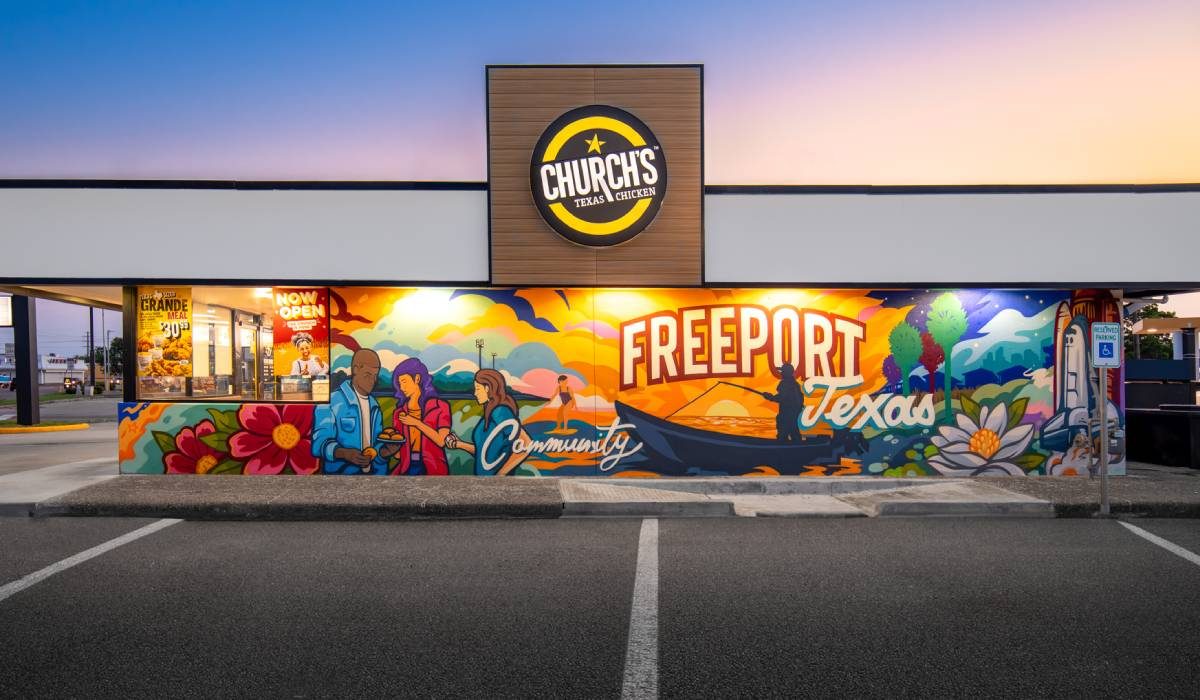
It's huge. With so many options available to consumers in the QSR space, the brands and restaurants that build genuine connections within their local communities are often the ones that stand out and earn repeat business.We have a strong local marketing team, and we regularly coach our franchisees on ways to get more involved in their communities, starting with events like Block Parties shortly after a new store opens. Local connection is also one of the greatest strengths of the franchise model. Especially in smaller towns, there's real value in having a local business owner who understands the community, takes pride in serving it, and is invested in its success.
Church's has emphasized smaller footprints and flexible development models. How does that make the brand more accessible for franchisees?
Our ability to convert second-generation spaces is a major cost advantage compared to many of our competitors. Because of that, we're not solely focused on building freestanding prototypes. While we're very excited about our new 1,000-1,400-square-foot prototype, we're equally open to converting existing buildings.When those spaces were previously restaurants and already include assets like walk-in coolers, freezers, or vent hoods in good condition, we may allow franchisees to utilize them, which can significantly reduce the overall investment required to open a restaurant. We're also open to end-cap drive-thru locations. That flexibility allows us to be more nimble, lower barriers to entry, and pursue development opportunities in markets where other brands may not be able to compete.
What kind of support are franchisees expecting from brands today that maybe they weren't asking for five years ago?
Today, franchisees are looking for more strategic support around the overall health of their business, not just day-to-day operations. While operational guidance remains important, we're spending more time helping franchisees understand their P&Ls and balance sheets, identifying opportunities to improve performance and drive profitability.We're also seeing increased demand for more sophisticated trade area analysis and site selection support. In response, we're leveraging as much data and science as possible to help franchisees identify strong markets and evaluate potential locations with greater confidence.
Technology and loyalty have become critical investment areas across QSR. How are those tools helping franchisees at the store level?
We're nearing completion of a chain-wide rollout of a single POS system, and in summer 2024 we launched our loyalty program, which has already grown to more than 2 million members. Rewards customers are incredibly important in today's QSR environment, and that's certainly true for Church's.The program gives us a much deeper understanding of our customers, allowing us to market to them more effectively and to serve them better. The insights we gain from their purchasing behavior also help guide decisions around new products, promotions, and marketing campaigns, ultimately creating stronger results for our franchisees at the store level.
Looking ahead, what does sustainable growth look like for Church's beyond simply adding more units?
For us, sustainable growth starts with increasing AUVs and improving EBITDA across the system, with unit growth following behind that. If our franchisees aren't successful, we aren't successful.We've grown AUVs every year since 2022, approximately 20% overall, and that momentum has continued into 2026. While it's hard to say exactly where the ceiling is, we believe there is still significant runway ahead. We're proud of the progress we've made, but we also believe Church's is still in the early chapters of what could become one of the great comeback stories in the QSR industry.
The post How Church's Intends to Build a Better Franchise System appeared first on QSR Magazine .