Brent Tops $88 as US Pledges Unprecedented Economic Pressure on Iran
Treasury Secretary Bessent's threat of unprecedented sanctions pushed crude to a 6% weekly gain as the six-month Hormuz conflict shows no sign of resolution.
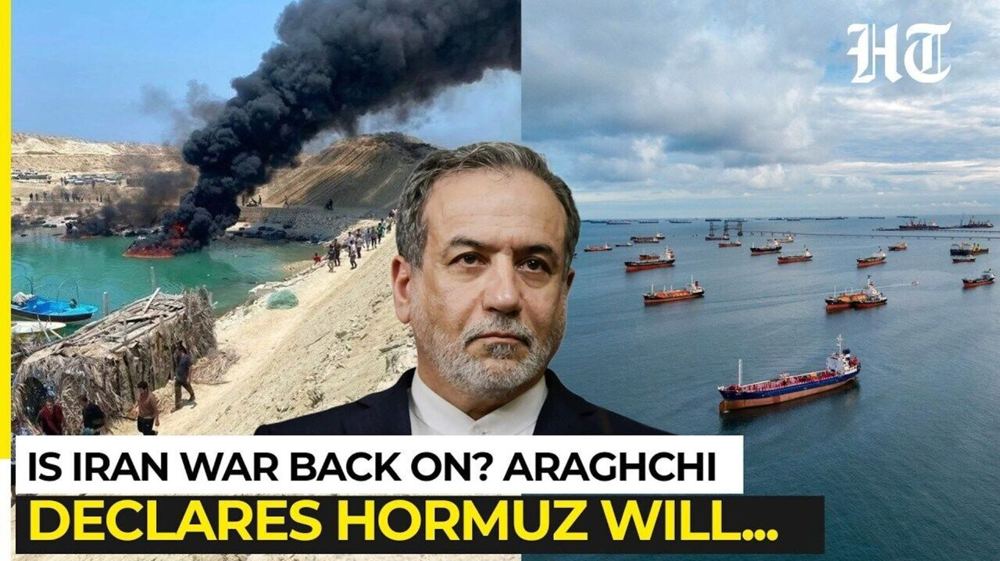
Oil climbed on Friday after US Treasury Secretary Scott Bessent warned that Washington would impose economic pressure on Iran "like the world has never seen," with additional measures to be unveiled next week. Brent crude settled above $88 a barrel, capping a weekly gain of roughly 6% as the Strait of Hormuz conflict entered its sixth month.
Bessent, speaking on Newsmax, confirmed the US would sustain its naval blockade of Iranian ports while pressing Tehran to reopen the chokepoint. The remarks signal a deliberate escalation in Washington's strategy to isolate Iran economically, layered on top of an already disrupted supply landscape.
Crude futures have surged more than 40% this year as fighting has curtailed output and exports from major Persian Gulf OPEC producers, even as those producers have found alternative routes to ship barrels to global markets. The International Energy Agency this week projected a deeper supply shortfall in the current quarter and forecast that the 2026 deficit would widen to its largest in five years.
Stalled diplomacy
Iran has been in discussions with Oman about reopening Hormuz, but no agreement has materialised despite earlier optimism that a deal was close. Negotiations have been complicated by hardened positions on both sides, with President Donald Trump introducing sweeping new demands that have slowed progress.
It remains unclear how effective additional US economic pressure will prove. Iran has endured multiple prior rounds of sanctions and financial strain without conceding ground on its nuclear programme or its leverage over the strait.
Risk premium, not fundamentals
Scott Shelton, an energy specialist at TP ICAP Group, argued that this week's rally reflects a risk premium rather than genuinely tighter supply-demand balances, pointing to rising US escort capacity for vessels transiting the waterway. He added that he would "assume fast money is profit-taking ahead of another 'deal' on the table."
US Energy Secretary Chris Wright told Fox News that American forces' ability to escort ships through Hormuz is expanding, allowing flows to increase. Still, tankers continue to cross with transponders dark to evade targeted strikes, and Abu Dhabi National Oil Co. reported two of its vessels were attacked late Thursday, though the situation was contained.
Until a decisive development emerges, analysts expect prices to trade within a defined band. Saul Kavonic, senior energy analyst at MST Marquee, said oil will likely remain between $80 and $90, with the outlook clouded by uncertainty over the conflict's trajectory and the actual volume of crude leaving the region.