Brazil Senate passes unfunded pension bill, eyes court fight
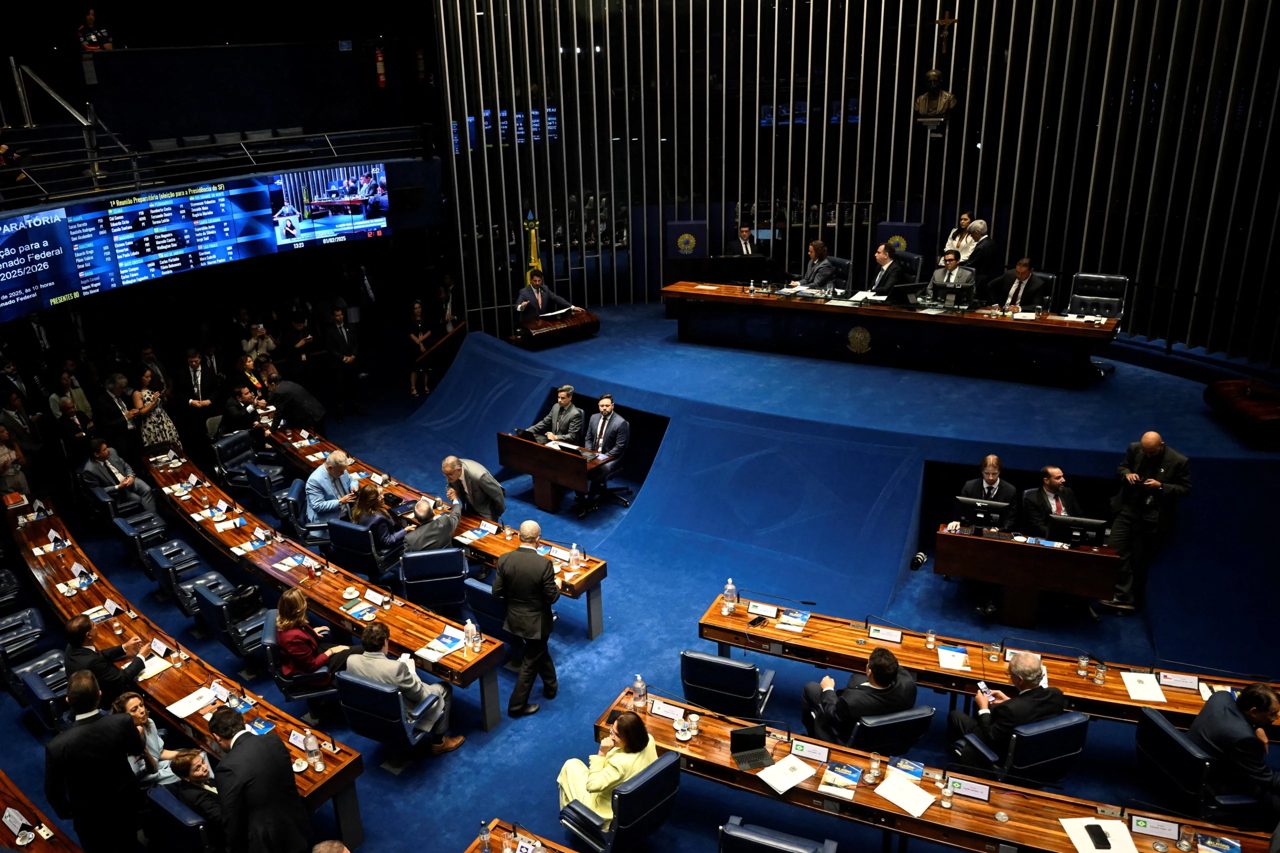
Brazil's Senate has approved an unfunded pension expansion for health workers that the government plans to challenge in the Supreme Court, testing fiscal rules that dictate how global funds price Brazilian assets.
The Brazilian Senate passed a constitutional amendment lowering the retirement age for more than 370,000 public health workers by a 73-1 margin. Because it is a constitutional change, the bill bypasses any presidential veto and proceeds directly to promulgation by Congress.
The legislation covers community health agents and endemic-disease agents, the frontline workers who track vaccinations and dengue outbreaks. They will now retire at 57 for women and 60 for men, down from the standard 62 and 65, with transition rules temporarily dropping the floor to 50 and 52 until the end of 2030. The amendment also prohibits temporary or outsourced contracts for these roles outside of declared health emergencies.
The financial burden is measured in different ways. The Finance and Planning ministries put the immediate annual hit to the federal budget at 3 billion reais, while the long-term actuarial impact is estimated at 28.11 billion reais. A separate social security ministry estimate places the actuarial imbalance as high as 54 billion reais spread over the next eight decades.
Finance Minister Dário Durigan signalled the government will probably take the matter to the Supreme Court, arguing that the constitution requires new pension benefits to name their revenue source. He clarified that the lawsuit targets the missing funding mechanism rather than the benefit itself, noting the government would not sue if compensation were included. Justice Gilmar Mendes has already stated publicly that "new spending requires named budget sources."
However, the government’s case is complicated by the Senate’s own summary, which claims the approved text outlines how the Union will fund the costs through complementary financial assistance to states and municipalities. The court will have to decide if this indirect assistance satisfies the compensation requirements set by recent precedents.
This pension amendment is just one piece of a larger fiscal puzzle. The Finance and Planning ministries have tracked nine proposals in Congress with a combined annual impact of 111 billion reais in forgone revenue and new mandatory spending. The largest item is a 50 billion reais tax break for small businesses. Furthermore, Finance Ministry executive secretary Rogério Ceron noted that "measures under discussion could reach two hundred billion reais."
For global investors, the immediate three billion reais cost is less important than the political precedent set by a lopsided Senate vote in an election year. Brazil’s central bank keeps interest rates elevated partly due to fragile fiscal credibility. Each unfunded mandate that clears Congress reinforces expectations that rates will stay higher for longer, pressuring the currency and dictating how foreign funds price local assets.