JGB curve steepens as short-end yields fall, long-end rises
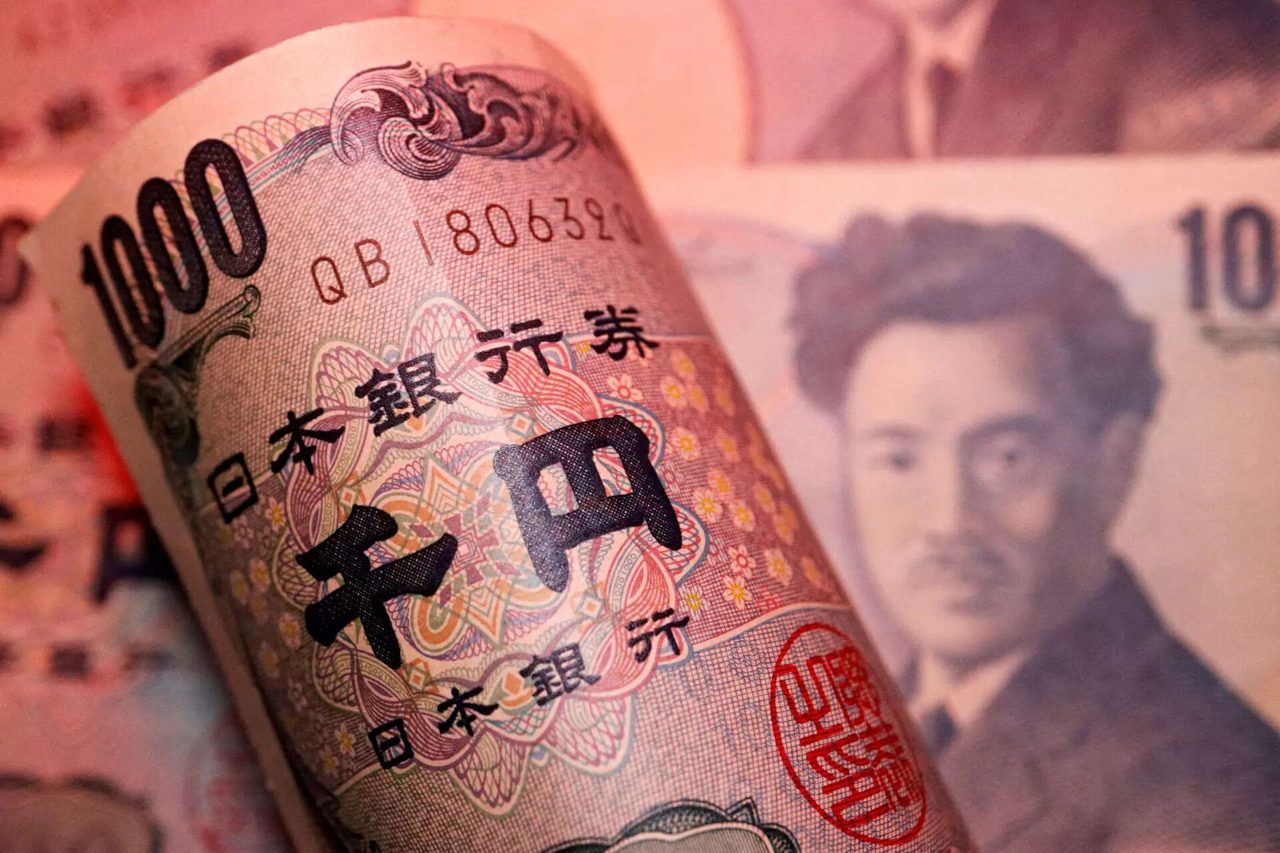
Japan's government bond yield curve steepened as softer US inflation pulled down short-term rates while domestic pension fund allocation speculation pushed long-term yields higher.
The Japanese government bond market experienced a pronounced steepening of its yield curve as short-term rates declined and long-term rates moved higher. The benchmark 10-year yield dropped 3 basis points to 2.675%. At the far end of the curve, the 20-year yield climbed as much as 4 basis points to 3.535%, the 30-year yield added 1.5 basis points to 3.750%, and the 40-year yield increased by 1 basis point to 3.76%.
The downward pressure on shorter maturities originated overseas. Softer-than-expected US consumer inflation data for June triggered a global rally in government bonds, as bond yields move inversely to prices. The data dampened market expectations for an imminent interest rate hike by the US Federal Reserve, pulling the two-year JGB yield down 0.5 basis point to 1.425% and the five-year yield down 2 basis points to 1.930%.
However, the long end of the curve moved in the opposite direction, driven by domestic factors including Japan's fiscal health and local inflation expectations. Market participants also pointed to a recent auction where a large block of unidentified buyers—typically a category encompassing major pension funds—successfully bid for bonds. This sparked speculation that the Government Pension Investment Fund (GPIF) was actively buying.
This auction-driven speculation aligns with recent political signals. Finance Minister Satsuki Katayama indicated last week that Japan would explore revising the asset allocation strategy of its state pension funds. For institutional investors, any formal adjustment to the GPIF's portfolio is a critical variable. The fund's sheer size means its investment decisions dictate price action and liquidity, particularly in longer-maturity government debt.
The resulting divergence between falling short-term yields and rising long-term yields underscores the competing forces currently governing Japanese fixed income. Global rate dynamics are providing a floor for the front end of the curve, while domestic policy uncertainty and pension fund reallocation risks are dictating term premium at the back end. Traders will remain highly attuned to further economic releases and official commentary for confirmation of these shifting allocation trends.