EV charge point operators face parking fine backlash
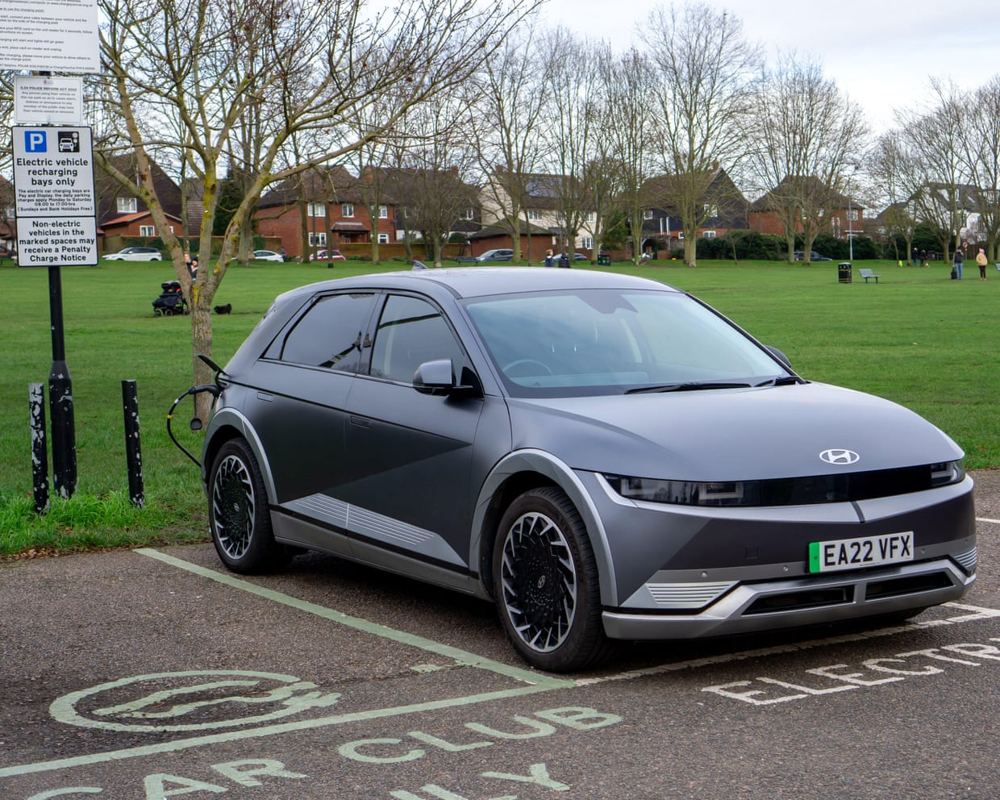
Electric vehicle drivers are being hit with unexpected parking fines while charging, highlighting operational risks for infrastructure companies and prompting upcoming government regulation.
Electric vehicle drivers are incurring parking charges of up to £100 simply for using public chargers on private land. This exposes a significant gap between rapid infrastructure rollouts and outdated site-level property rules.
This friction creates operational and reputational risks for charge point operators like Pod Point and InstaVolt, which rely on landowners for site access. The companies are increasingly caught between consumer expectations and the strict contractual terms of their hosts.
In Weymouth, a motorist named Kevin Laban received a £70 parking charge notice for using a Pod Point charger in an Aldi car park while the supermarket was closed. “Pod Point advertises the charger as open to the public, while the car park’s cameras are set to immediately fine anyone who enters to use it,” Laban said. Aldi ultimately cancelled the fine.
A similar issue occurred in Devon, where a driver was issued a £100 fine by Smart Parking after paying InstaVolt for charging but failing to pay a separate parking tariff. InstaVolt, which offered a £50 credit to the driver, noted that site-specific parking terms vary widely.
“Parking terms vary from site to site and may refer to time limits rather than charges, so to tell drivers that ‘parking charges apply when charging’ would not accurately reflect the range of conditions,” an InstaVolt spokesperson said. “That said, we do recognise that for drivers who are newer to public charging, the distinction between charging fees and site-specific parking terms may not always be immediately obvious.”
The core business problem stems from automated number plate recognition cameras used by landowners that do not distinguish between parking and charging. Holiday Inn, which cancelled a £100 fine after a driver used an advertised charger without registering at the hotel, admitted its systems treat both activities identically.
Charge point operators argue that compliance rests with the property owners. Pod Point stated that landowners are responsible for displaying notices about parking charges and restrictions on site and within the charging app.
This lack of integration between charging networks and property management systems is now drawing regulatory attention. The Ministry of Housing, Communities and Local Government plans to publish a new code for private parking later this year to raise standards.
Industry bodies warn this disjointed rollout creates a barrier to adoption. “Signage needs to be clearer, so drivers realise straight away whether they need to pay for parking, how long they can stay to charge and the hours of operation,” said Simon Williams, head of policy at the RAC.