Europe loses 9% of chemical capacity as petrochemical producers retreat
European petrochemical producers are accelerating plant closures and divesting assets as high costs and Asian competition force a structural retreat from basic chemicals.
European chemical producers announced the closure of 17.2 million tonnes of annual capacity in 2025, doubling the previous year's figure and bringing the total lost since 2022 to 37 million tonnes. This retreat represents roughly 9 percent of the continent's production base and has placed about 20,000 direct jobs at risk.
Investment has collapsed alongside capacity, with confirmed spending on new European chemical facilities dropping by more than 80 percent last year. The exodus reflects structural disadvantages, including high energy and carbon costs, heavy regulation, and weak domestic demand.
The financial pain is concentrated in basic building blocks like ethylene and propylene, which are essential for plastics and industrial goods. European manufacturers rely heavily on expensive naphtha feedstock and struggle to compete against US producers using cheap shale ethane and Middle Eastern groups operating newer plants.
Major industry players are rapidly reducing their regional exposure in response to these margin pressures. ExxonMobil will shut its Fife ethylene plant in Scotland in February 2026, while Dow plans to close its Böhlen cracker in Germany by late 2027. TotalEnergies is also retiring its oldest Antwerp steam cracker by the end of that year.
Consolidation is accelerating as companies offload underperforming assets to focus on higher-margin products. SABIC agreed in January 2026 to sell its European petrochemicals business to Germany’s AEQUITA for $500 million. Meanwhile, Eni’s Versalis has dismantled its Brindisi and Priolo crackers in Italy to pivot toward bio-based chemicals.
Policy interventions have so far failed to reverse the trend despite the European Commission introducing an action plan last July featuring trade defenses and updated state-aid rules. The underlying economics remain brutal, as demonstrated by Vioneo abandoning a €1.5 billion fossil-free plastics project in Antwerp this January to build in China instead.
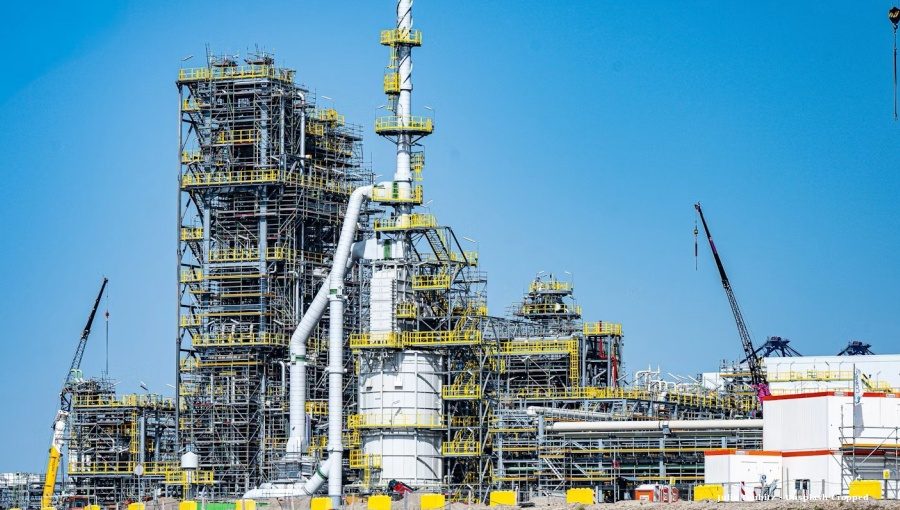
A few targeted investments suggest the industry will survive in a smaller, more concentrated form. INEOS is advancing its Project ONE ethane cracker in Antwerp, which will produce 1.5 million tonnes annually using imported US ethane and North Sea wind power.
Ultimately, Europe is deciding how much basic chemical manufacturing it can afford to retain to support its broader economy. The resulting landscape will likely feature fewer, highly integrated sites capable of competing globally, while downstream manufacturers increasingly rely on imports for foundational materials.