Hong Kong targets AI integration in insurance with HK$3 billion subsidy scheme
The Hong Kong government is deploying significant capital into artificial intelligence infrastructure to help the financial services sector manage a rapidly ageing population and integrate with the Greater Bay Area.
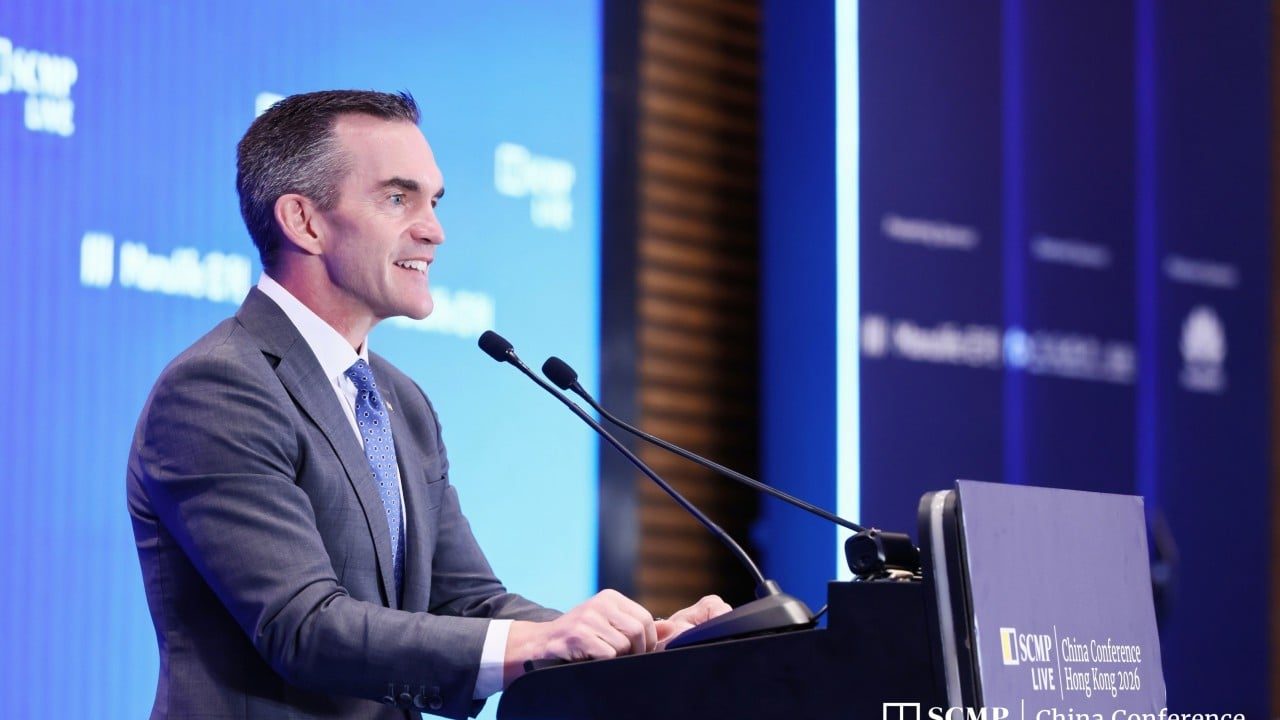
Hong Kong’s government has committed to a five-year economic blueprint aligned with China’s national strategy, positioning artificial intelligence as the primary engine for the city's financial sector. Chief Executive John Lee detailed the initiative on July 7, emphasising that significant public capital is already flowing into new technology infrastructure to modernise local markets.
The state is financing this transition through several major initiatives, including a HK$3 billion subsidy scheme dedicated to artificial intelligence. Additional investments include a new supercomputing centre at Cyberport and a dedicated research and development institute scheduled to open later this year. A newly formed committee on industry development strategy also held its inaugural meeting in June to oversee the rollout.
This technological pivot is largely a response to severe demographic pressures, as government data projects that more than a third of the local population will be aged 65 or older by 2046. Insurers face mounting pressure to process underwriting and claims faster while delivering highly personalised retirement and healthcare products to an ageing client base.
Large financial institutions are already adjusting their operational models to capture these state-backed incentives. Manulife, the city’s largest Mandatory Provident Fund provider, is concentrating its regional artificial intelligence leadership in Hong Kong as a core participant in the Insurance Authority’s technology cohort programme.
Market research indicates strong consumer demand for automated financial planning tools amid this demographic shift. An industry survey revealed that approximately 90 per cent of local residents prefer to remain financially self-sufficient in their later years, planning to allocate an average of 71 per cent of their assets to fund their own future care.
Beyond domestic demographics, the technology push is designed to integrate Hong Kong’s financial services with the broader Greater Bay Area. As capital and labour move more freely across the Shenzhen-Hong Kong-Guangzhou innovation cluster, automated systems will be required to identify cross-border risk patterns and maintain consistent regulatory compliance.
For market professionals, this signals a structural shift in how regional financial risks are underwritten and managed. While legacy institutions rely on established trust and long-term advisory relationships, the deployment of automated systems will be strictly necessary to handle the sheer volume and complexity of cross-border longevity planning.