De Beers halts South African mine as Ghana gold output surges

De Beers is suspending its flagship South African diamond mine for two years amid falling prices, while Ghana's artisanal gold sector breaks records and Kenya extends fuel tax relief to offset Middle East-driven oil price spikes.
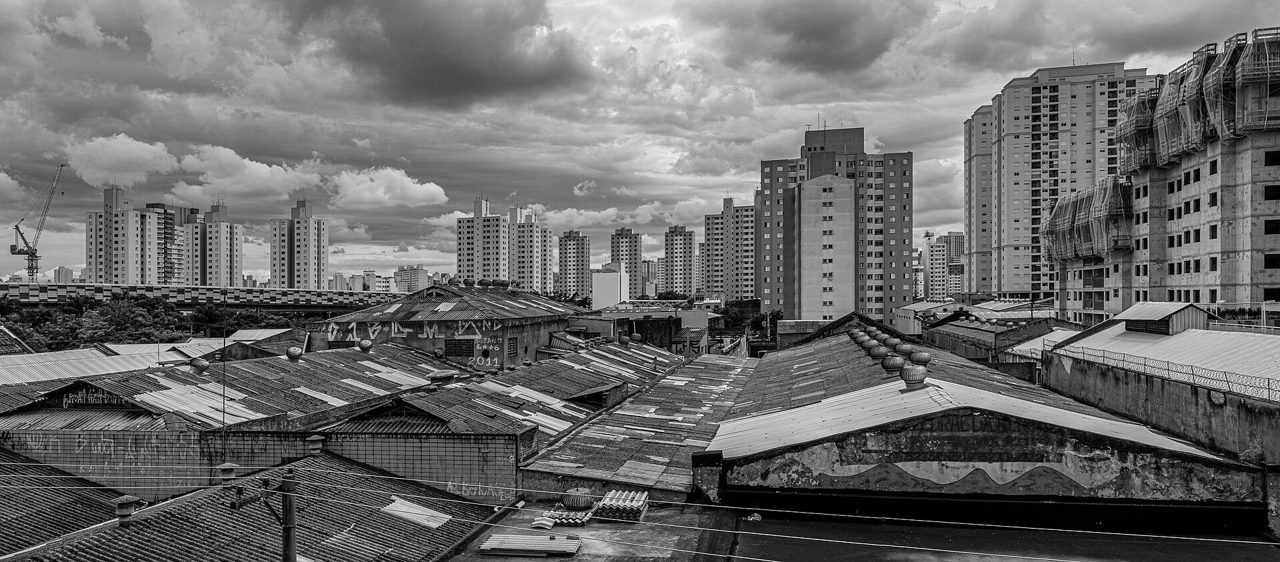
De Beers will suspend production at its Venetia mine in South Africa for two years as the diamond industry contends with weak demand and falling prices. The site accounts for more than 40 percent of the country's diamond output and employs over 4,000 workers. The company stated the halt is designed to cut costs and upgrade infrastructure until a market recovery takes hold.
Natural diamond demand has softened notably in China, while cheaper lab-grown alternatives continue to erode the market share of traditional miners. Parent company Anglo American is simultaneously executing a broader restructuring to prioritize copper production. The mining group is betting that copper demand will surge due to its necessity in artificial intelligence infrastructure and the global energy transition.
Ghana gold surge
Ghana's artisanal gold sector is on track to surpass last year's record output. The state-run Gold Board purchased between 50 and 54 metric tonnes in the first half of 2026, indicating the industry could exceed the 104 tonnes produced in 2025.
That 2025 figure marked a historic shift where small-scale mining overtook large-scale operations for the first time. Chief Executive Samuel Gyamfi credited the expansion to government reforms designed to curb gold smuggling, increase foreign exchange earnings, and tighten oversight of the country's most valuable export.
Kenya shields consumers
Kenya has extended a reduced Value Added Tax on petroleum products for another three months to protect households and businesses from volatile global energy costs. The rate will remain at 8 percent, half the standard 16 percent, until mid-October.
Authorities paired the tax extension with a 945 million Kenyan shilling subsidy to stabilize domestic fuel prices during the current pricing cycle. The fiscal intervention is a direct response to escalating Middle East tensions that are disrupting global oil supplies.
The United States recently resumed a blockade of Iranian ports and launched strikes on facilities it claims threaten commercial shipping. President Donald Trump simultaneously abandoned a proposed 20 percent cargo fee on the Strait of Hormuz in favor of pursuing trade agreements with Gulf states. The military pressure has already reduced tanker traffic through the vital waterway, driving up oil prices and pressuring import-reliant African economies.