Rupee edges up as options traders price in elevated oil risk
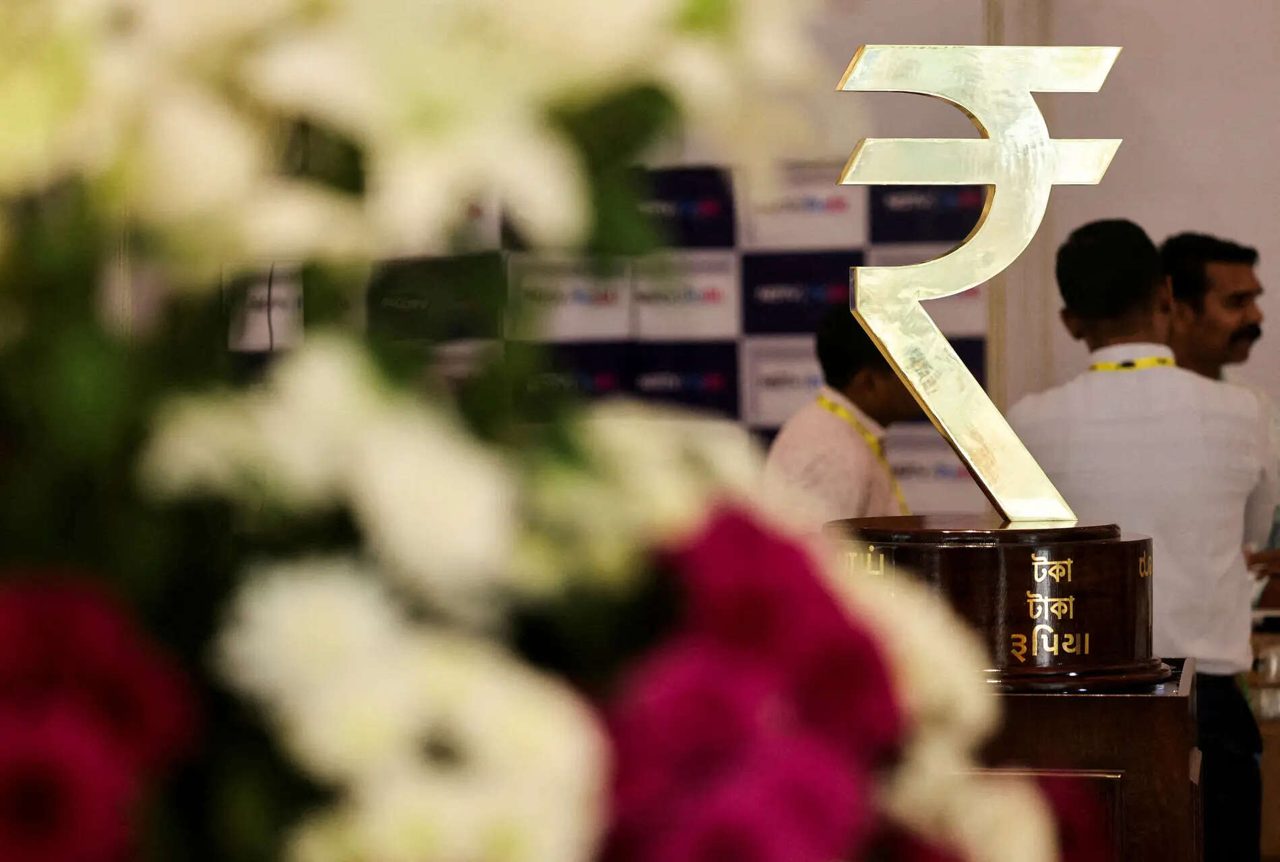
The Indian rupee posted a marginal gain against the dollar, but a shift to bearish options positioning signals growing investor anxiety over soaring oil prices triggered by escalating U.S.-Iran tensions.
The Indian rupee strengthened slightly to 96.16 against the U.S. dollar, up from 96.20 at the previous close. However, this marginal spot-market gain masked a significant deterioration in underlying sentiment among currency traders and corporate hedgers.
A key gauge of investor expectations, the 1-month 25 delta risk reversal, climbed to 0.4. This represents the most bearish reading in over a month. The shift indicates that demand for options wagering on a weaker rupee has firmly overtaken bets on a currency rally, suggesting market participants are actively pricing in near-term downside.
The primary driver of this bearish skew is the sudden surge in crude oil prices above $85 per barrel. The U.S. has reimposed a naval blockade on all Iranian ports. Furthermore, Washington has threatened to target Iranian power plants and bridges next week unless Tehran resumes negotiations, a move that threatens to severely disrupt global energy supply chains.
Elevated crude prices present a direct threat to India's macroeconomic stability. Because India imports the vast majority of its energy needs, sustained oil prices at these levels structurally pressure the nation's trade deficit and fiscal balance. For institutional investors and corporate treasurers, this dynamic raises the prospect of accelerated capital outflows and increased foreign exchange hedging costs.
This currency pressure is compounded by the global interest rate environment. "For FX markets, the key takeaway is that softer inflation has reduced upside risks to U.S. yields, but has not fundamentally altered the high U.S. real yield backdrop," MUFG said in a note. The bank noted that rising Middle East tensions are likely reinforcing safe-haven demand, keeping the dollar broadly supported against emerging market peers like the rupee.
Despite these underlying currency headwinds, regional equities demonstrated notable resilience. India's benchmark Nifty 50 index closed up 0.6%. This positive performance was part of a broader regional risk-on move, most notably led by a near-8% surge in South Korean stocks, highlighting a temporary divergence between equity and foreign exchange markets in Asian trading.