China's Q2 growth slows to 4.3%, pressuring Asia stocks
China's economy expanded 4.3% year-on-year in the second quarter, missing forecasts and signaling a widening imbalance that threatens to weigh on Asian equities and commodity-linked stocks.
China’s gross domestic product grew 4.3% year-on-year in the April-June period, according to official data released on Wednesday. The reading missed the 4.5% forecast from a Reuters poll of analysts and marked a notable deceleration from the 5.0% expansion logged in the first quarter. This represents the weakest quarterly growth rate for China since the fourth quarter of 2022, when the country was still grappling with severe pandemic-related disruptions.
Diverging economic drivers
The underperformance stemmed primarily from sluggish consumer demand and an oil price shock tied to the Iran war. These dual headwinds dampened overall economic momentum, partially offsetting otherwise robust manufacturing activity and export figures that continue to benefit heavily from artificial intelligence-related demand. On a sequential basis, the economy grew 0.9% during the quarter. While this matched analyst expectations, it represented a clear slowdown from the 1.3% quarterly expansion recorded earlier in the year.
A structural imbalance
Underneath the headline figure lies a widening supply-and-demand disconnect within the Chinese economy. While AI-driven foreign demand is effectively propping up industrial output, domestic household spending and private business investment remain stubbornly subdued. This divergence presents a complex and persistent challenge for Chinese policymakers. Authorities must now navigate the difficult task of sustaining overall economic momentum while simultaneously engineering a meaningful recovery in internal consumption and private capital expenditure.
Market fallout
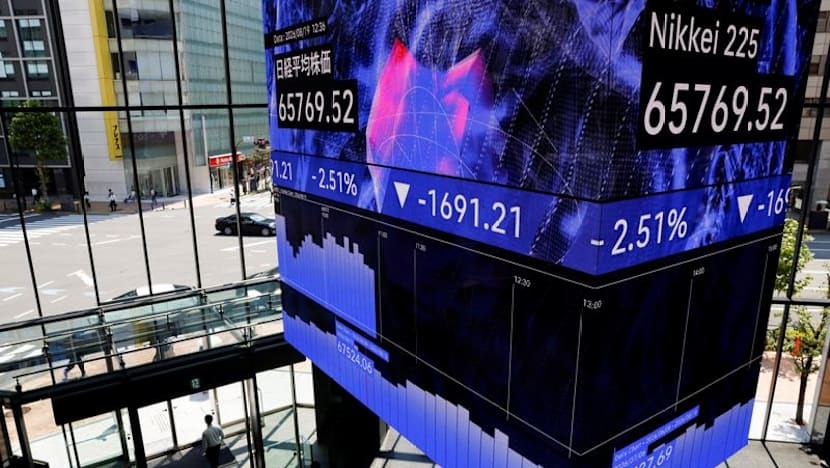
For market professionals, the GDP data points to a significant risk of continued volatility across Asian equities. Companies with direct revenue exposure to China's domestic economy are particularly vulnerable to shifting sentiment. Metal producers, mining companies, luxury goods firms and industrial exporters are expected to remain under pressure. If concerns over weakening Chinese demand intensify among institutional investors, these specific sectors could face prolonged selling pressure as portfolios are adjusted to reflect lower regional growth expectations.