Falabella and Cencosud Cut 5,254 Jobs in First Half
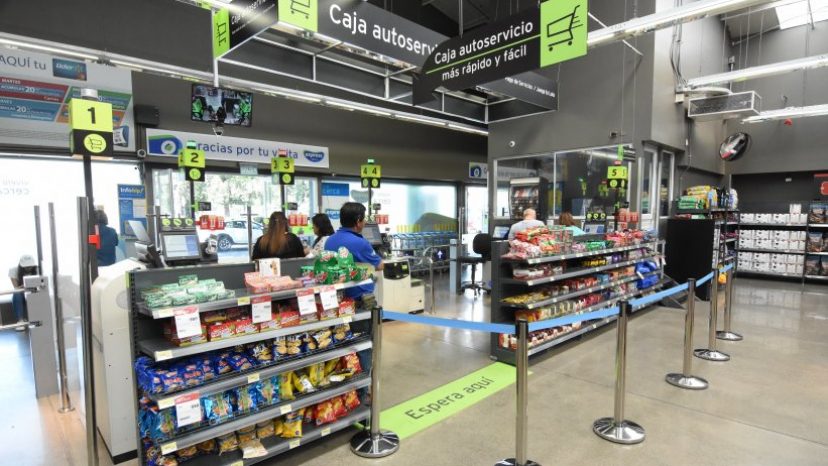
Chile’s two largest retailers reduced their combined workforce by over 5,000 employees in the first half of 2026, signaling an ongoing structural shift toward e-commerce and leaner operations rather than an acute demand shock.
Falabella and Cencosud cut a combined 5,254 jobs in the first half of 2026, according to corporate headcount data. The reductions were not tied to a single layoff announcement but reflect a gradual, multi-country contraction across their operations. For market participants, the figures underscore a structural shift in Latin American retail rather than a sudden collapse in consumer spending.
Organic Cuts vs. Asset Sales
Falabella accounted for the majority of the first-half reductions, shedding 3,182 employees to end June with 76,666 workers. The steepest cuts landed in Peru, where the workforce fell by 2,265 to 26,786. Its domestic Chilean operations contracted by 955 employees to 38,696. The company’s Sodimac home-improvement unit also reduced its headcount by over 800 in the first half and more than 1,000 over 12 months, leaving it with 12,035 employees.
Cencosud’s first-half headcount fell by a more modest 2,072, dropping from 117,170 to 115,098. However, investors analyzing the company's labor trajectory must separate operational streamlining from portfolio pruning. Over the 12 months ending in June 2026, Cencosud’s total headcount fell by nearly 5,000 people. A significant portion of that longer-term drop directly reflects the company’s July 2025 sale of 54 Bretas supermarkets in Brazil.
A Structural Cost Rebase
Falabella explicitly characterized the reductions as a “natural process” of operational streamlining. The retailer is actively pursuing simpler, more agile management structures. This aligns with a broader regional trend where traditional retailers are resizing their physical footprints and warehouse staff to accommodate the accelerating shift toward e-commerce.
For investors, this steady payroll compression is a margin-supportive dynamic. Adjusting labor costs to match digital revenue streams is a standard operational lever, not necessarily a signal of financial distress. The lack of any reported union intervention or government reaction further indicates that these adjustments are occurring without the friction typically associated with mass layoff events. As two of the region’s largest employers rebase their cost structures, the data points to a permanent recalibration of retail labor requirements across Latin America.