YPF bets on Halliburton e-frac to drive Vaca Muerta export growth
Argentina's YPF is deploying Halliburton's electric fracturing technology for the first time outside the US to cut well-completion costs and accelerate its pivot toward becoming a major shale-oil exporter.
YPF has signed a long-term, exclusive contract with Halliburton to deploy the Zeus electric fracturing fleet at Vaca Muerta, with operations set to begin in the fourth quarter of 2026. The equipment has already shipped from North America, marking the first time the Zeus system will operate outside the United States.
The deal underpins a significant increase in capital allocation. At an 11 August investor presentation, CEO Horacio Marín raised the 2026 capital expenditure plan to between $5.8 billion and $6.2 billion and lifted EBITDA guidance to $8 billion. Shale-oil output is expected to average roughly 215,000 barrels per day next year, exiting December near 250,000 barrels per day.
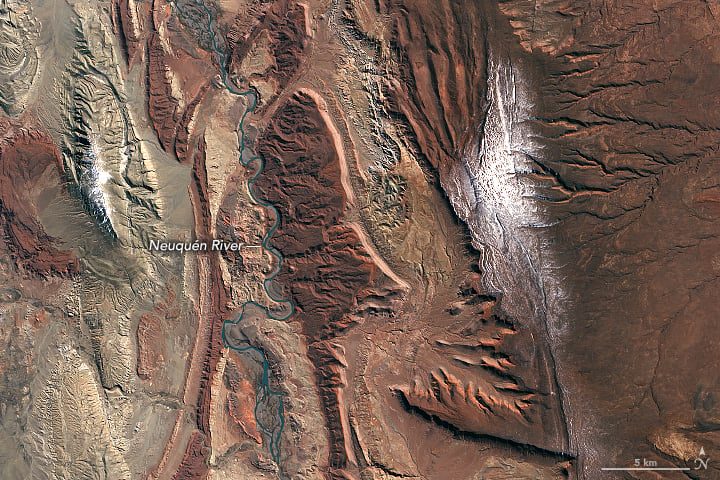
Vaca Muerta has long struggled with a bottleneck in well completion, even though the underlying geology is highly productive. Deploying a proven US system in Argentina signals that the basin's service infrastructure is maturing. It also sets a precedent for other Latin American markets weighing unconventional development.
Electric fracturing replaces traditional diesel-powered pumps during the high-pressure injection of water and sand. The stated advantage is a measurable improvement in completion speed, which directly impacts well economics. For YPF, lowering the cost per well is a necessity to sustain its aggressive production targets.
The end goal is largely export-driven. Beyond 2032, YPF's flagship Loma La Lata Oil project is projected to plateau near 240,000 barrels per day. Almost all of that volume is expected to be routed to international markets through the VMOS pipeline.
To streamline its focus on shale, YPF is simultaneously restructuring its portfolio. After a failed sale process, YPF Agro will be spun off into a standalone company, wholly owned by YPF and moved into its new-energies division. This isolates the agricultural unit from the core oil and gas business without fully ceding ownership.
The operational expansion is projected to generate roughly 45,000 direct and indirect jobs in Neuquén by 2031. For markets, however, the ultimate measure of success will be whether the new electric fracturing technology delivers the efficiency gains needed to justify the multi-billion dollar capital outlay.