Brent hits $88 as Oman spill, Hormuz risks squeeze supply
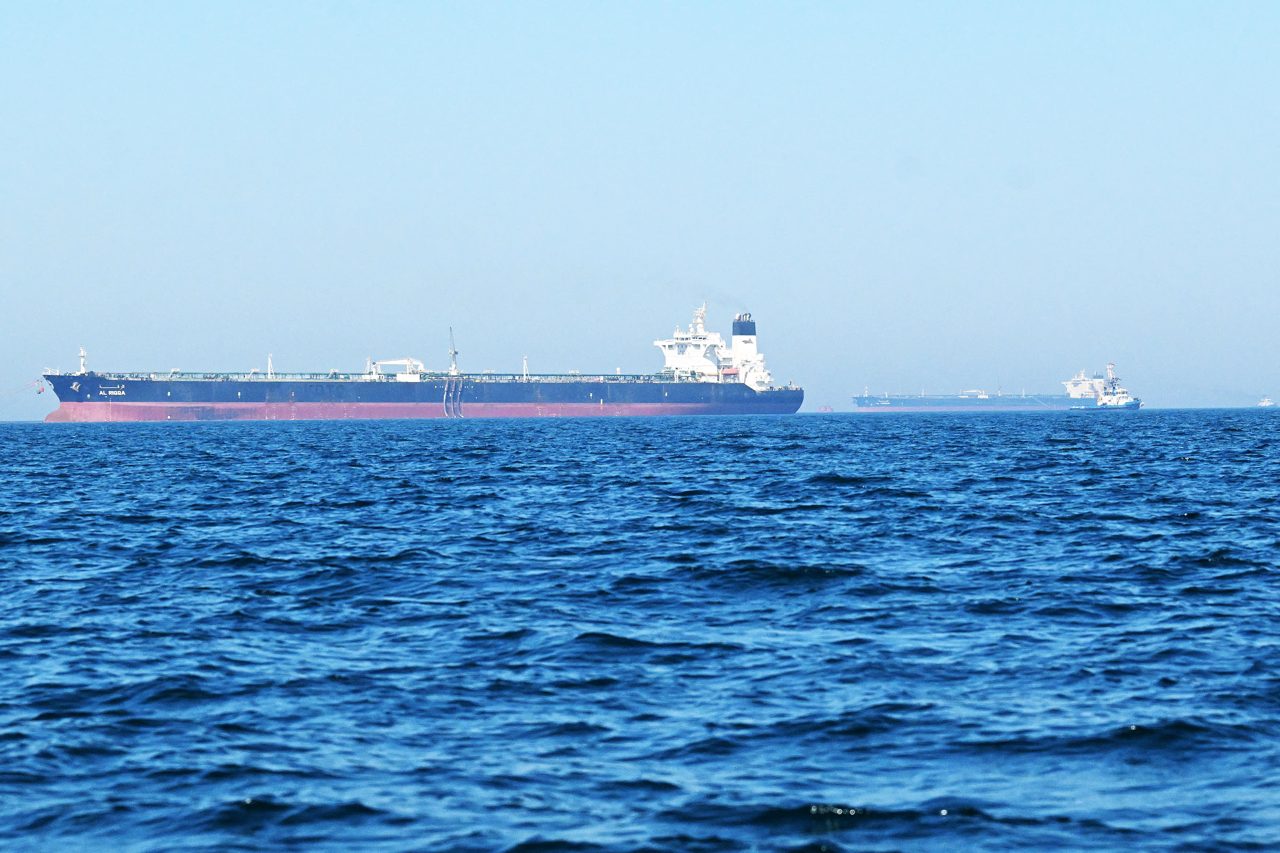
Crude futures pushed higher as a massive sanctioned-oil spill off Oman and persistent attacks on shipping compounded the supply deficit created by the ongoing Strait of Hormuz closure.
Brent crude for October delivery climbed 1.01% to settle at $88.09 a barrel, while U.S. West Texas Intermediate for September added 1.15% to reach $82.31.
The immediate catalyst for the session's gains was a worsening logistical crisis off the Omani coast. A tanker carrying roughly 800,000 barrels of Russian oil ran aground on June 30 and continues to leak into the sea.
Because the vessel is subject to international sanctions, coordinating a rapid salvage or containment operation presents significant legal and operational hurdles. This localized disruption merged with broader regional instability, notably deadly attacks on commercial ships navigating the Gulf of Oman and the Red Sea.
These physical supply risks are materializing against a backdrop of constrained flows through the Strait of Hormuz. The critical waterway has been impaired for more than five months by an ongoing conflict, despite ongoing diplomatic efforts to restore normal transit.
The International Energy Agency reported on Wednesday that global oil demand is now projected to fall further this year than previously forecast. The agency noted that this demand destruction stems directly from the waterway's closure, highlighting a severe physical bottleneck rather than underlying weakness in consumption.
Global supply remains acutely tight. The IEA pointed out that "renewed hostilities and maritime disruptions" are actively preventing the market from rebuilding inventories, leaving July supply 6.3 million barrels per day lower than the same period last year.
For institutional investors and corporate hedgers, the convergence of a sudden sanctioned-oil spill and a protracted geopolitical chokepoint eliminates the market's typical buffer. "The lack of clarity over the possibility of a full reopening of the waterway could leave oil prices exposed to the upside at a time when the market remains tight," said Christopher Tahir, a senior market strategist at Exness.
Tahir noted that any additional supply setbacks could drive valuations even higher. This dynamic reinforces the necessity of strict risk management strategies for energy portfolios facing sustained geopolitical uncertainty.