Sebi defends closing auction reforms and targets commodity tax overhaul

India's markets regulator is standing by its new closing price mechanism while pushing to simplify tax rules for physical commodity deliveries to boost institutional participation.
India’s securities regulator is moving to smooth out structural frictions in its equity and commodity markets, defending its recent overhaul of closing price calculations while seeking tax reforms to ease physical delivery. The push aims to deepen liquidity and attract more institutional capital to the country's derivatives segments.
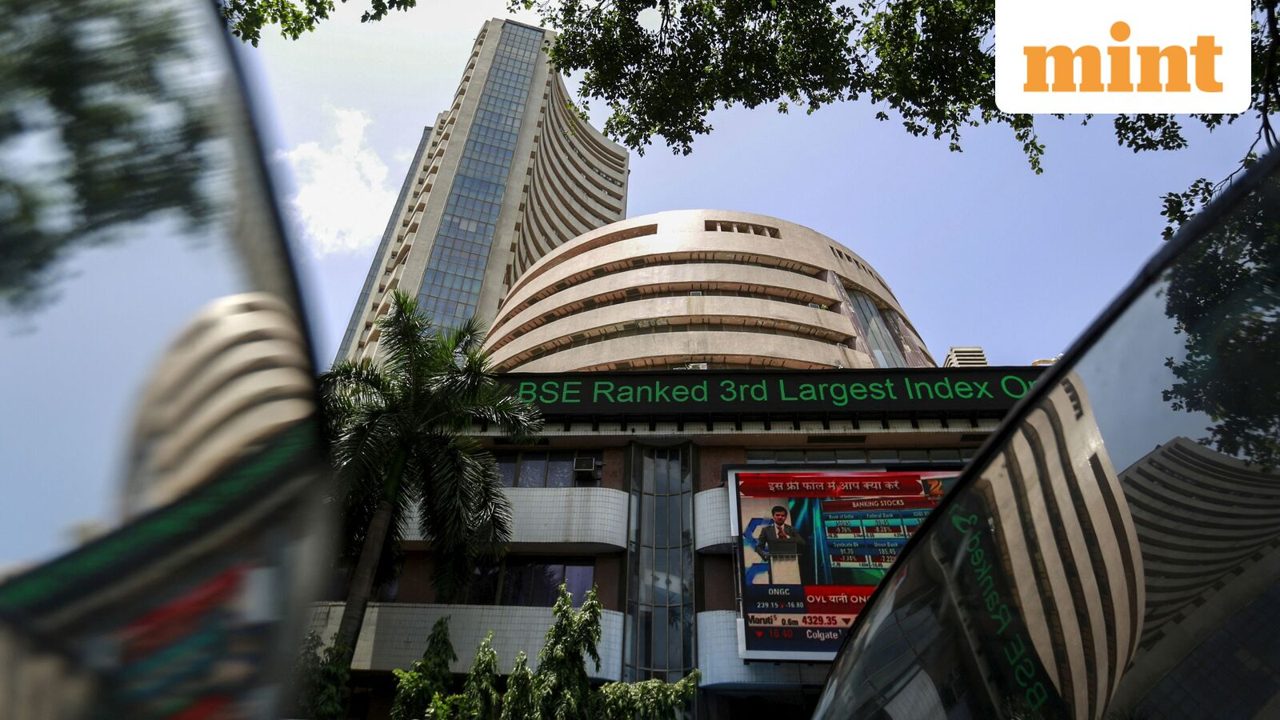
The Securities and Exchange Board of India introduced a closing auction session for roughly 200 futures and options stocks on August 3. The 20-minute window replaced the previous method of averaging trades over the final half-hour of regular trading, a change designed to neutralize price-distorting last-minute orders.
The transition sparked initial protests from traders after unusual index divergences and derivatives losses emerged. However, Pandey, speaking at the Global Commodity Conclave in Mumbai, said mutual fund participation in the auctions has since climbed from 5 or 6 per cent to between 20 and 25 per cent.
"We are considering all inputs to increase participation," Pandey said. He noted that the new mechanism aligns with global practices and requires time to settle, dismissing concerns about market manipulation.
Beyond market structure, the regulator is scrutinizing persistent losses among retail options traders, particularly on contract expiry days. Sebi is currently compiling a detailed analytical report to map exactly where and how participants are losing capital in the derivatives market.
While acknowledging that market risks are inherent, Pandey cautioned against underestimating the complexity of expiry-day trading. "What we are trying to emphasise is that in many situations, this kind of trading - particularly option trading on expiry days - is not as simple as people assume, and heavy losses are continuing," he said.
To broaden market depth, Sebi is also looking to open exchange-traded commodity derivatives to foreign portfolio investors and mutual funds. The regulator is simultaneously reviewing procedural hurdles related to registrations, block deal frameworks, and netting to make institutional operations more efficient.
A major structural bottleneck identified by the regulator involves the taxation of physical commodity deliveries. Warehousing across different states currently forces market participants to secure separate state-level SGST registrations, complicating logistics and trade execution.
Sebi has formally proposed shifting these physical deliveries to an IGST model to eliminate the need for fragmented state registrations. "If a practical solution emerges - keeping the revenue identical - it will help everyone significantly, and delivery-based contracts will become much more easily executable," Pandey said.