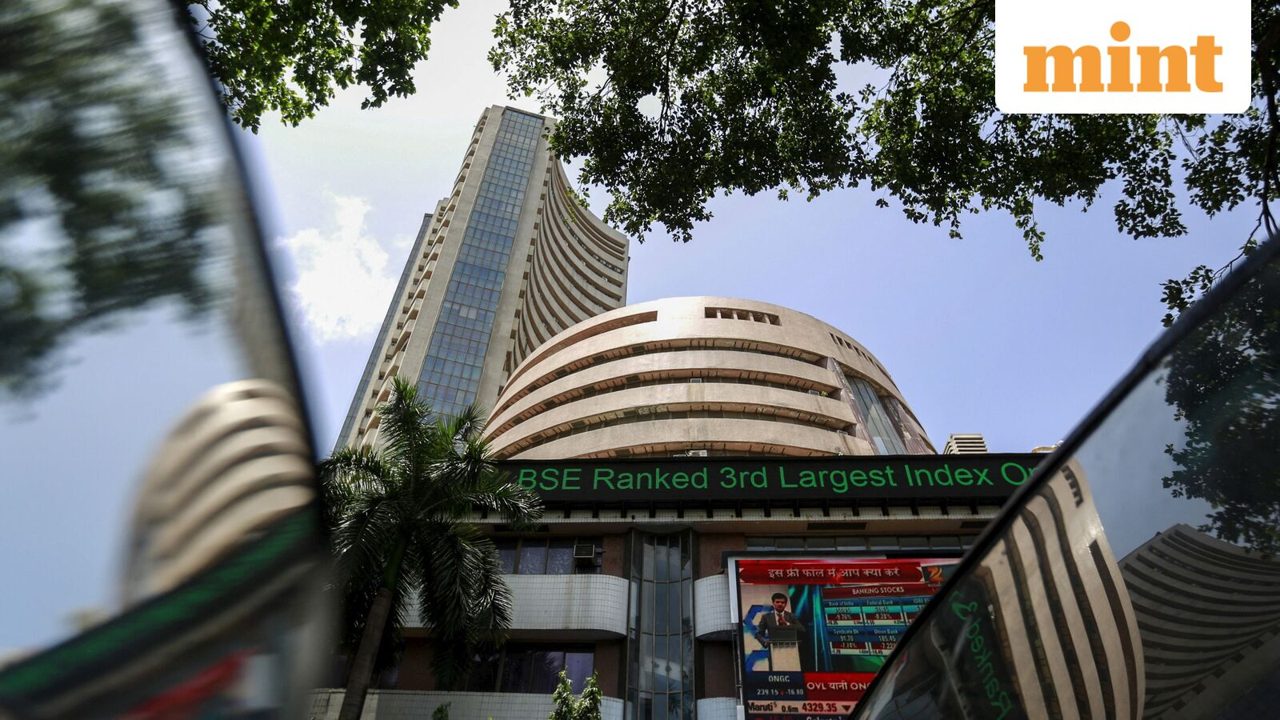
Asia shares rise on cooling US inflation, long-end yields stay high

Asian equities advanced after benign US inflation data reduced the odds of a September rate hike, though elevated long-term Treasury yields and a weakening yen kept traders cautious.
The MSCI Asia Pacific Index climbed 0.6% on Thursday, driven higher by benchmarks in Japan and South Korea. The regional gains followed a strong Wall Street session where the S&P 500 moved within striking distance of a record high. Megacap chipmakers propelled the Nasdaq 100 to a one-month peak, though this momentum stalled in early Asian trading.
The primary catalyst was July US consumer price data, which landed exactly in line with economist forecasts. The core consumer price index, which excludes food and energy, rose 0.2% from the prior month. On an annual basis, core inflation advanced 2.5%, matching its slowest pace since March 2021. In response, short-dated Treasuries outperformed as money markets dramatically scaled back expectations for policy tightening, assigning less than a 50% chance of a September rate increase.
“A situation where inflation isn’t reaccelerating, coupled with the most recent, weak jobs report gives the Fed more time to wait,” said Chris Zaccarelli at Northlight Asset Management. The benign reading provided clear relief to investors who had previously been rattled by signs of a cooling labor market.
However, the optimism was tempered by structural headwinds at the long end of the bond market. Above-target inflation and expanding US budget deficits continue to keep longer-dated Treasury yields elevated. A $42 billion auction of 10-year notes recently drew the highest yield since 2007, and Thursday’s upcoming 30-year bond sale is expected to price at the highest financing rate in 25 years.
Equity sentiment in Asia was also somewhat cautious following disappointing corporate updates. Nasdaq 100 contracts slipped after Cisco Systems Inc. reported underwhelming earnings, while Cerebras Systems Inc. tumbled on weak hardware sales. Elsewhere in commodities, gold edged higher to trade around $4,410 an ounce, and the dollar weakened against most of its Group-of-10 peers.
In foreign exchange, the Japanese yen remained a focal point, holding steady at 159.31 per dollar after losing 0.1% in the previous session. The currency has depreciated more than 1% in August, effectively unwinding the impact of joint US-Japanese efforts to strengthen the yen at the start of the month.
Looking ahead, market participants remain highly sensitive to incoming economic data. “We remain guarded on the near-term outlook for inflation amid volatile oil prices tied to the ongoing Middle East conflict along with lingering core price pressures from a strong economy and the AI boom,” said Gary Schlossberg, global strategist at Wells Fargo Investment Institute.