Starbucks AI Pivot Signals Pain for India IT Outsourcers
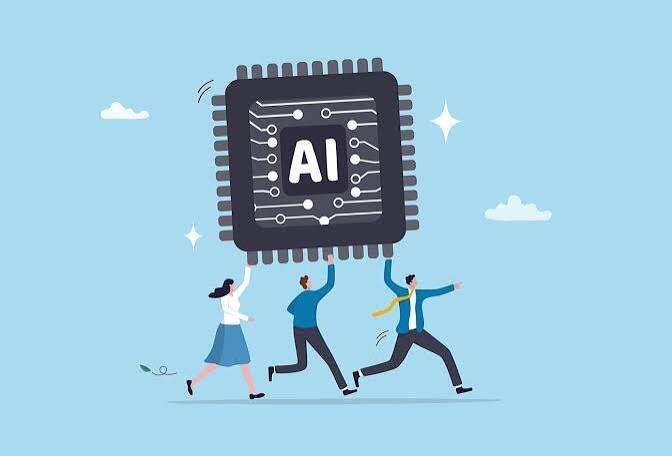
Starbucks is using AI to replace third-party enterprise systems, a cost-cutting shift that threatens the core annuity business of India's IT outsourcing giants.
Starbucks is developing in-house artificial intelligence systems to replace legacy software from Microsoft, IBM, and Oracle for inventory, equipment management, and point-of-sale operations. The Seattle-based company has spent years on this transition. It is also establishing direct engineering hubs in cities like Bengaluru and Nashville, deploying small AI-equipped teams instead of large external workforces.
For India’s outsourcing sector, which employs 6 million coders largely to maintain such enterprise systems for multinationals, this represents a direct threat to the annuity revenue model. Clients increasingly expect AI to handle infrastructure upkeep with fewer humans, and they intend to pay significantly less for these services. While upfront data-labelling contracts offer a temporary revenue bridge, AI agents will soon automate the ongoing coding work itself.
The financial strain is already visible in recent quarterly results. Tata Consultancy Services reported just 0.4% constant-currency revenue growth, its slowest expansion in a year, while shedding 3% of its staff to roughly 594,000 employees. Crucially, rising costs for third-party specialist contractors hired to bridge internal skills gaps eroded the wage savings, shrinking net profit margins.
Rival HCL Technologies posted a 0.5% quarterly decline in constant-currency sales, cutting its workforce by nearly 3,300 people in the steepest contraction in almost two years. HCL maintained its annual revenue growth guidance of 1% to 4%. Yet, like TCS, HCL saw subcontractor expenses rise and offset its headcount savings.
The sector is still securing large contracts, though their long-term value is debated. HCL recently won a $1.14 billion, 5.5-year contract to build an AI-driven operating model for Zurich-based engineering giant ABB. However, the pricing of these modern outsourcing deals remains questionable because clients demand that suppliers use fewer humans and pass the resulting savings along.
Equity markets are pricing in this structural risk. The NSE IT Index finished June 10% lower than its level five years ago, a depth of pessimism that surpasses the worst of the 2008 global financial crisis. While clients might eventually curb AI spending over fears of losing data control to frontier labs, investors are currently betting that India’s IT services exporters face a slow, irreversible fade of their legacy business.