Rupee gains on state bank dollar sales and easing crude prices
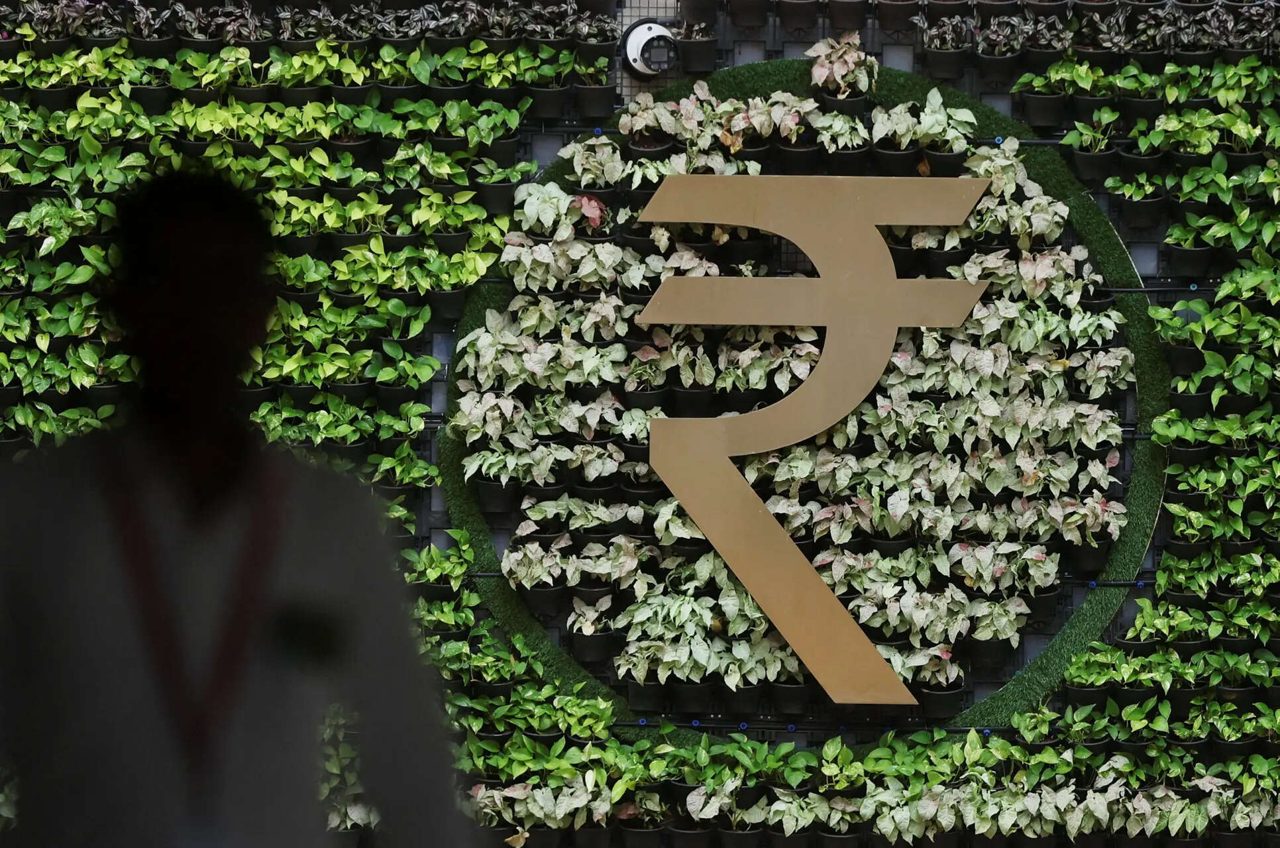
The Indian rupee closed stronger against the dollar following central bank intervention and an extension of a geopolitical ceasefire that cooled global oil prices.
The Indian rupee closed modestly higher against the US dollar during the session, settling at 95.33. This represents a 10 paise appreciation from its previous close of 95.43, reflecting a combination of targeted domestic market intervention and supportive external macroeconomic factors.
The primary driver of the intraday stability was direct action by the monetary authority. State-run banks executed significant dollar sales throughout the trading session, operating almost certainly on behalf of the Reserve Bank of India. This supply of dollars effectively capped rupee depreciation, keeping the currency tightly confined within a narrow trading corridor of 95.25 to 95.44.
For foreign portfolio investors and corporate treasurers, this managed volatility provides short-term predictability. The central bank’s willingness to deploy its foreign exchange reserves to smooth out excessive currency fluctuations signals a continued commitment to defending critical technical levels.
Looking ahead, market participants anticipate the rupee will trade on a firmer footing on Thursday. Traders expect the currency to navigate a slightly wider but stronger range between 95.00 and 95.50. This optimism is largely underpinned by shifting dynamics in global commodity markets.
A key geopolitical development is providing vital macroeconomic relief. A critical ceasefire agreement has been officially extended until August 17, easing regional tensions. This diplomatic progress has had an immediate, tangible impact on global energy benchmarks.
The extension successfully cooled inflation anxieties and supply disruption fears, pushing Brent crude futures down to approximately $85 per barrel. Lower global crude prices fundamentally improve the macroeconomic outlook for major energy consumers.
A decline in the import bill directly alleviates pressure on the current account deficit and reduces the dollar outflows required to finance energy purchases. This structural improvement naturally bolsters the underlying value of the domestic currency, giving the rupee additional fundamental support beyond direct central bank market operations.