CFTC flags wash trading risks in prediction market incentives
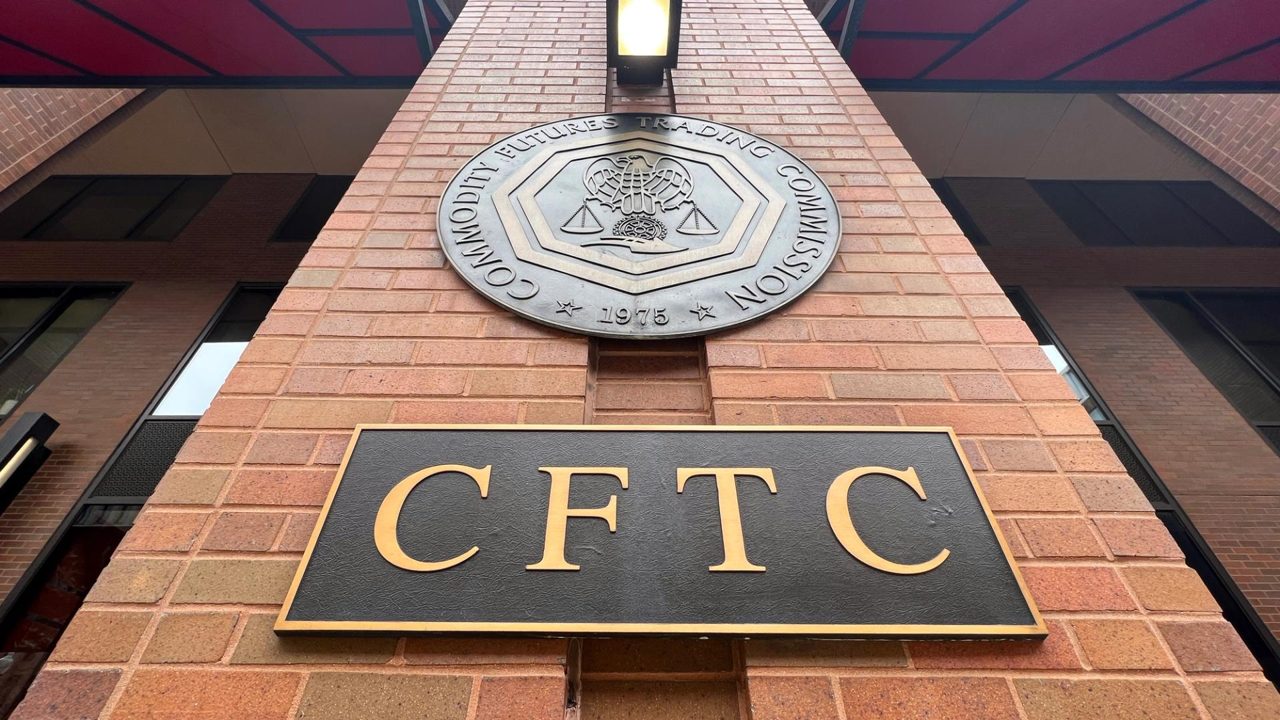
The U.S. derivatives regulator warned platforms like Kalshi and Polymarket that their trading rewards programs risk fueling market manipulation.
The U.S. Commodity Futures Trading Commission warned prediction market platforms on Wednesday that their trading incentive programs are inviting compliance failures and market manipulation. The regulator singled out volume-based rewards and market-maker subsidies as particular areas of concern for event-contracts platforms such as Kalshi and Polymarket.
Platforms are increasingly submitting filings to launch these rewards programs, but the CFTC noted the paperwork is often "procedurally or substantively deficient." These errors prevent the agency from determining if a platform has properly disclosed the program's terms or evaluated its regulatory compliance. For market professionals, deficient filings suggest an operational immaturity that could translate into broader risk management failures at these exchanges.
The core regulatory anxiety revolves around how these rewards distort trading behavior and compromise market integrity. High-volume participant rewards can encourage users "to trade solely to reach volume targets, heightening risks of wash-trading, pre-arranged trading, or other fraudulent, manipulative, or disruptive trading practices." For institutional investors, artificial volume inflates market metrics and creates a false illusion of liquidity, distorting the signals these contracts are meant to provide.
Market-maker programs present a separate set of structural risks to the market ecosystem. The CFTC warned that some platforms are guaranteeing net processing or covering trading losses "through stipends and rebates." Subsidizing market makers removes the natural risk of providing liquidity, potentially creating fragile order books that fail under real selling pressure despite appearing robust.
This guidance fits into a broader regulatory effort to integrate prediction markets into the traditional derivatives framework without sacrificing oversight. The CFTC has actively defended these platforms against state-level gambling lawsuits and proposed its first dedicated prediction markets rule in June. However, consecutive advisories, following last month's warning against cutting corners in templated contract certifications, signal that the agency will not allow rapid growth to come at the expense of market structure and anti-fraud protections.