Kospi surges 6.3% on soft US inflation, oil climbs on Iran risk
A softer-than-expected US inflation print sparked a massive rally in Asian technology stocks, though surging oil prices driven by US-Iran tensions threaten to undermine the resulting rate-cut optimism.
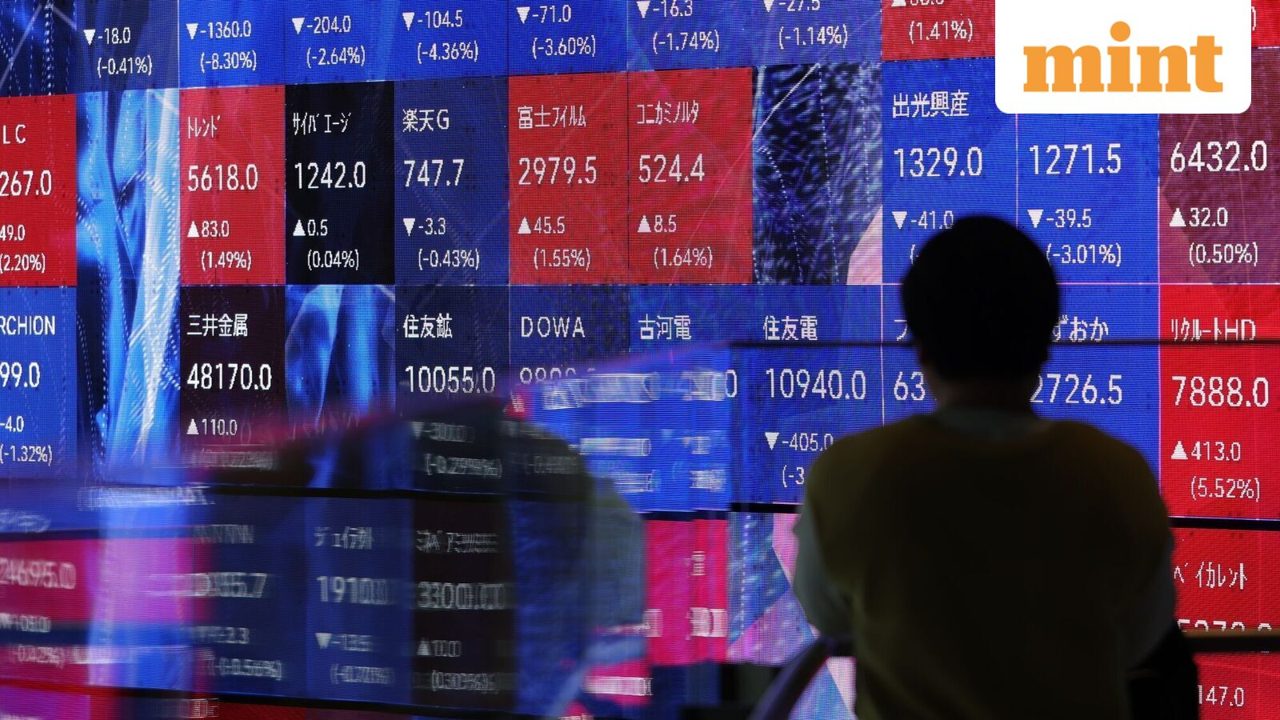
Asian equities jumped, led by a 6.3% surge in South Korea's Kospi, after benign US consumer price data eased fears of imminent Federal Reserve rate hikes. The strength of the move triggered a buy-side sidecar on the Korea Exchange, halting programme buying for five minutes after Kospi 200 futures jumped 5%.
The inflation print, paired with a robust start to the US corporate earnings season, reignited buying in artificial intelligence-related shares. SK Hynix climbed more than 10%, while Samsung Electronics advanced over 6%, driving the Kosdaq up 4% and recovering ground lost during recent tech volatility.
US Treasuries stabilised following a sharp rally on Tuesday that pushed yields lower as traders abandoned bets on near-term rate increases. The US dollar weakened against all major G10 currencies, while gold held steady near $4,050 an ounce.
However, the disinflationary narrative faces a severe test from escalating Middle East tensions. Brent crude rose 1.8% to trade above $86 per barrel, extending an 11% surge over the previous two sessions after US President Donald Trump threatened additional strikes on Iran and resumed a blockade of Iranian shipping through the Strait of Hormuz.
That energy spike weighed on US equities on Monday. The tech-heavy Nasdaq fell 1.55% to 25,873.18 and the S&P 500 dropped 0.79% to 7,515.47, though losses in the Dow Jones Industrial Average were limited to 0.26% at 52,498.70 as energy stocks provided a counterweight.
For investors, the diverging forces create a tense balancing act. While soft inflation gives the Fed room to hold rates steady and support equity valuations, a sustained rise in energy prices from disrupted Hormuz traffic risks fuelling a fresh wave of inflationary pressures. Markets are effectively pricing in a best-case scenario on rates while underpricing the potential for a supply-driven oil shock that could quickly reverse the current relief rally.