Warsh signals end to Fed's permanent ample reserves regime
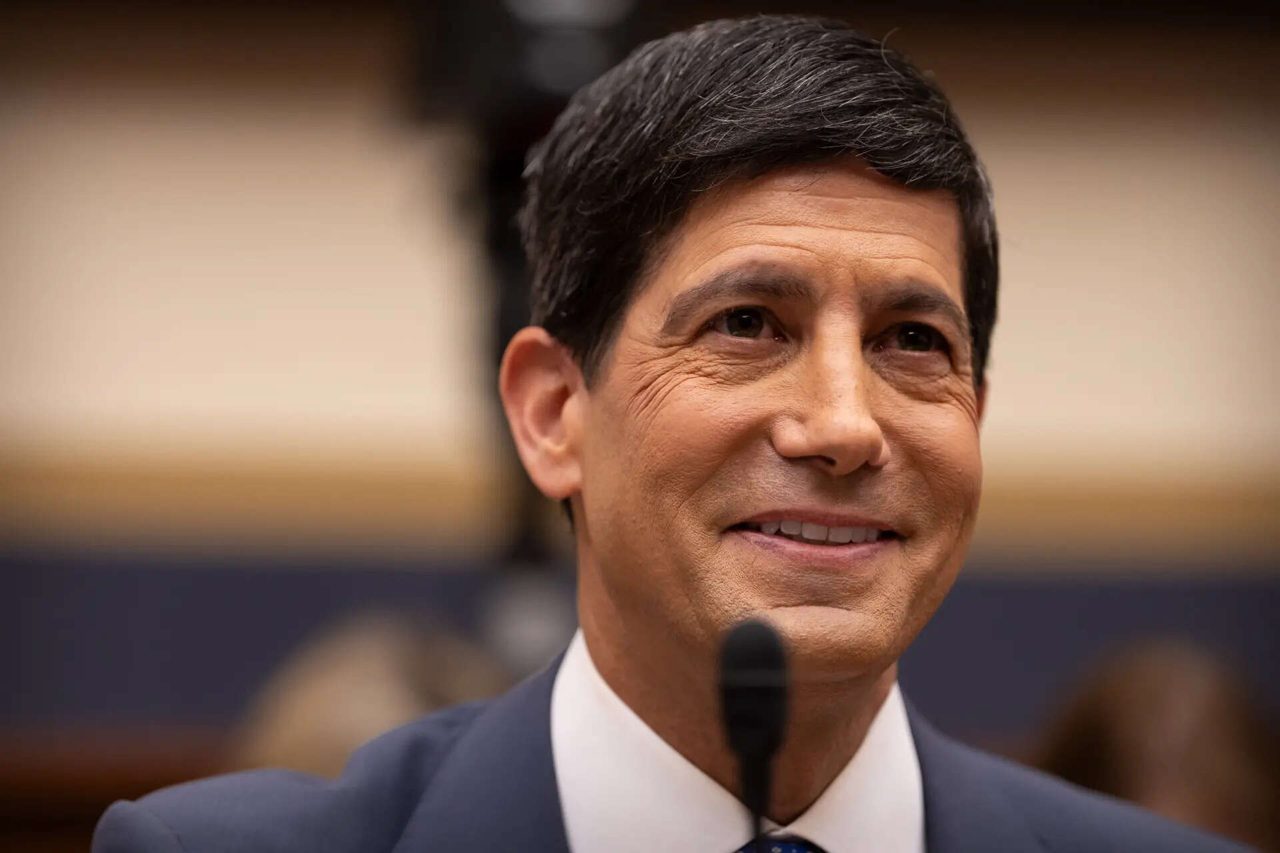
Federal Reserve Chair Warsh has launched a review of the central bank's $6.8 trillion balance sheet, signaling a potential long-term shift away from the ample-reserves framework that has suppressed long-term borrowing costs since the financial crisis.
Federal Reserve Chair Kevin Warsh told the House Financial Services Committee that a newly initiated review of the central bank's $6.8 trillion balance sheet will scrutinize the "ample-reserves" regime. He is scheduled to address the Senate Banking Committee on Wednesday. This framework, adopted in the wake of the 2008 financial crisis, requires the Fed to maintain massive bond holdings to ensure sufficient liquidity in the banking system.
For fixed-income investors, a structural shift away from ample reserves would represent a fundamental change in how the Fed manages monetary policy. "It will ask: What are the advantages and disadvantages of that regime, and what are the alternatives?" Warsh said. Since the crisis, the central bank's footprint in long-term Treasuries and mortgage-backed securities has acted as a persistent anchor holding down borrowing costs.
Warsh, who left the Fed board in 2011 partly due to disagreements over its expanding balance sheet, made clear he views the current scale as a crisis measure that outlived its emergency. "When crises are over, monetary policy in my view should be driven almost exclusively by interest rate policy," he stated.
The transformation of the Fed’s portfolio over the past two decades is stark. Prior to 2008, the central bank operated under a "scarce reserves" framework, holding less than $1 trillion in bonds—mostly short-dated T-bills. During the pandemic, holdings exploded from $4.3 trillion to roughly $9 trillion in under three years.
Although the Fed subsequently shrank its portfolio by about $2.2 trillion, asset holdings have recently begun growing again to maintain that ample liquidity. Warsh argued against making these aggressive interventions a permanent feature of the financial system. "However, I've inherited a very large balance sheet with a very complicated set of assets, and I am open minded to reforms," he noted.
Market participants should not expect a rapid unwind. "It took us nearly 18 years to find our way into this balance sheet," Warsh cautioned, noting the complex mix of long-term Treasury debt and mortgage-backed securities. "We won't be able to make changes overnight."
While ruling out a full reversion to the 2006 framework, Warsh emphasized that any transition would be methodical. "Any changes that we make would be well deliberated, would be public, would be understood, and there'd be quite a bit of time before any of that was operationalized," he said.