US allocates $2m to Guyana air surveillance amid oil boom risks
The US is providing $2m to bolster Guyana's air surveillance and drone capabilities, a modest but strategic investment aimed at protecting the newly oil-rich nation's borders from Venezuelan claims and regional trafficking.
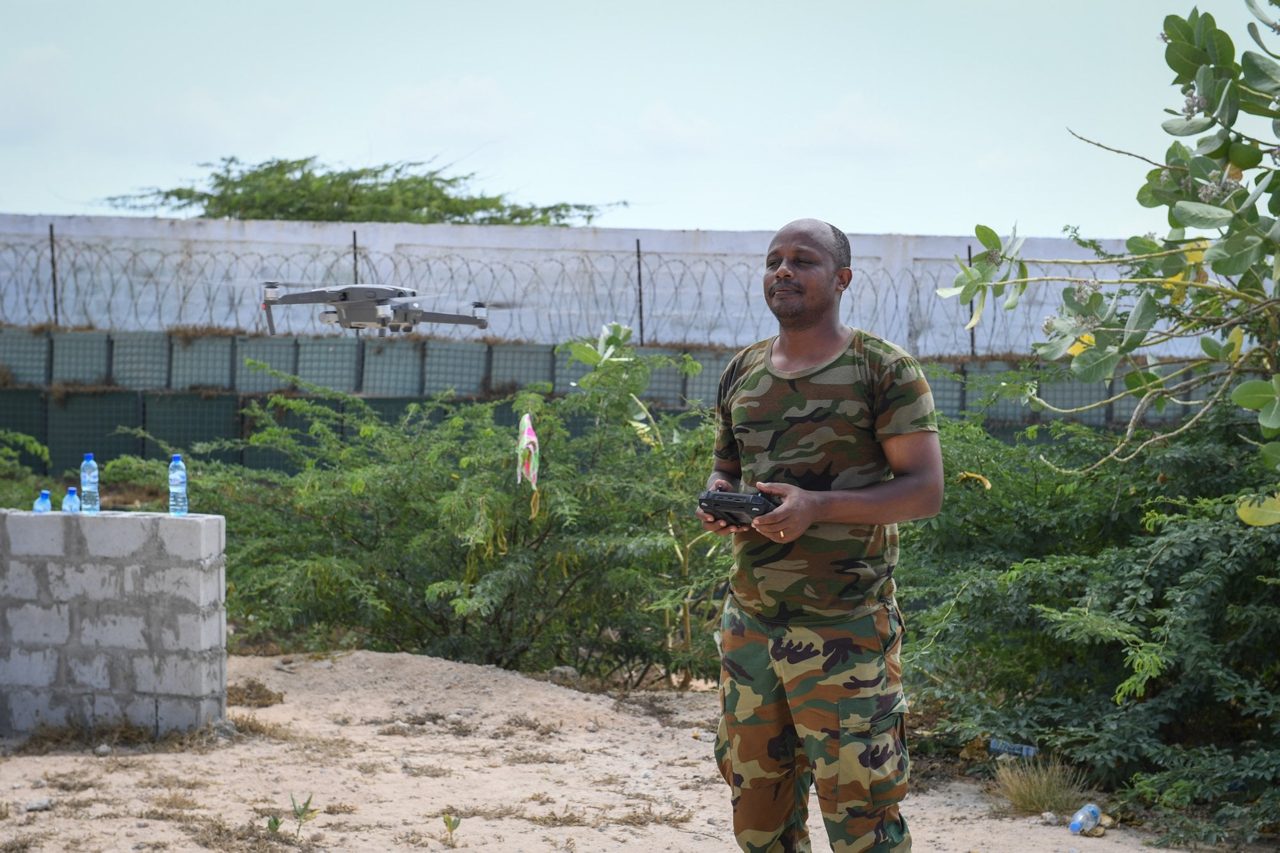
The United States will provide $2 million to strengthen Guyana’s air surveillance and drone capabilities. The funding was announced following an August 11 meeting in Georgetown between US Deputy Secretary of State Christopher Landau and President Irfaan Ali. The programme is designed to help the small nation monitor its airspace and develop unmanned-aircraft systems.
For investors and energy executives, the primary relevance lies in Guyana's rapidly expanding oil sector. The country's newfound hydrocarbon wealth has transformed its economic outlook, making it a magnet for foreign capital. However, that same wealth has elevated its geopolitical risk profile, attracting both trafficking networks and a covetous neighbour.
The most pressing threat is the ongoing border dispute with Venezuela over the Essequibo region, a vast area that makes up much of Guyana's territory. Caracas has actively revived its historical claims to the area. Protecting this wealth is now a national priority and a shared interest with Washington, as any escalation could threaten economic stability.
While $2 million buys foundational capability rather than a comprehensive air defense system, the US funding serves as a clear signal. In deterrence, the perception of support can carry as much weight as the physical hardware. Guyana’s territory is heavily forested and sparsely populated, making aerial surveillance a necessary force multiplier.
The investment explicitly targets counternarcotics, border security, and broader national defence priorities. Aircraft and drones can cover in hours what ground patrols would take weeks to reach across such difficult terrain. This makes air-domain awareness a critical asset for monitoring a long, thinly monitored frontier.
This latest funding builds on a US-Guyana security cooperation agreement signed in March 2025. Landau’s trip also included Trinidad and Tobago, underscoring a broader regional security focus. For Georgetown, deeper ties with Washington offer protection for its oil infrastructure, though it must weigh these benefits against the risk of over-reliance on a single partner.
Real air defense would require far larger, sustained investment over years. Still, the Essequibo dispute remains the primary wildcard that could force an acceleration of US support. For markets, the immediate takeaway is that Washington has formally signalled its commitment to the stability of a major emerging oil province.