July U.S. Deficit Soars to $432B on Medicare and Debt Costs
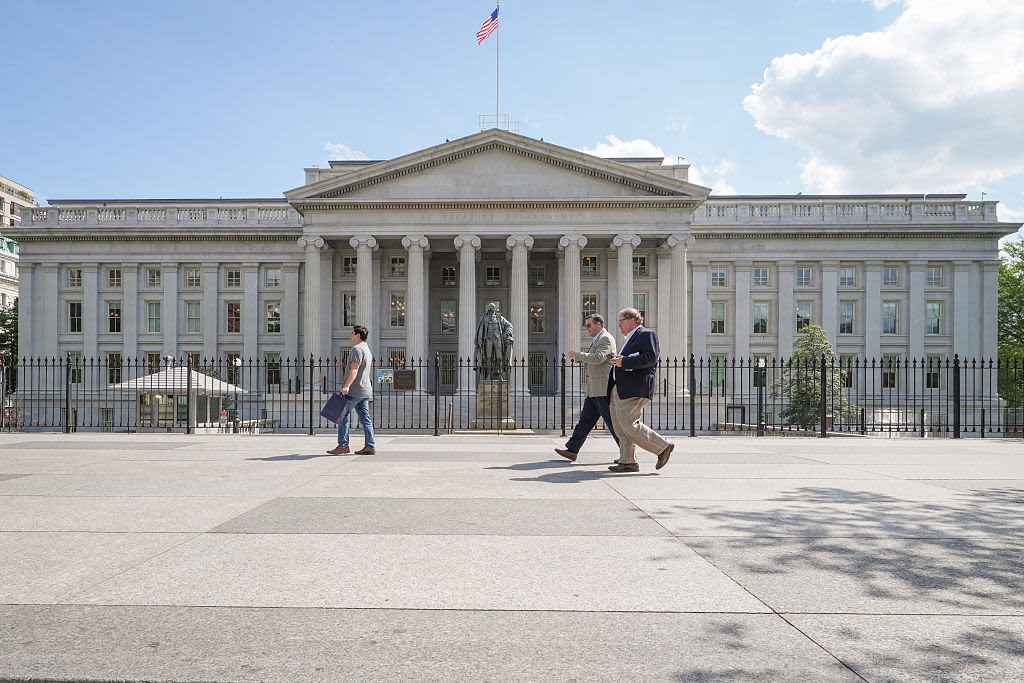
The U.S. budget deficit surged to $432.3 billion in July, the largest monthly shortfall in over five years, highlighting how mounting debt servicing costs and rising healthcare obligations are structurally altering the nation's fiscal trajectory.
The U.S. budget deficit widened to $432.3 billion in July, a 48% increase from the same month a year ago and the largest monthly shortfall since March 2021. The Treasury Department reported that the deficit for the first 10 months of the fiscal year has now reached nearly $1.8 trillion, exceeding the same period in 2025.
A significant portion of the July surge was driven by a dramatic spike in Medicare outlays, which reached $174 billion for the month, up sharply from $103 billion in June. Year-to-date Medicare spending has climbed to $955 billion, cementing it as the single largest expenditure in the federal budget, well ahead of the $141 billion spent on Social Security.
The July figures were also distorted by timing and legal factors. The budget absorbed a $99 billion hit because the first of the month fell on a nonbusiness day, accelerating benefit payments. Additionally, the government paid out $33 billion in tariff refunds as the administration continues to issue rebates for levies that the Supreme Court ruled illegal.
The most consequential figure for long-term investors is the cost of servicing the national debt, with net interest totaling $104 billion in July alone. For the fiscal year to date, gross interest payments on the $39.9 trillion national debt, of which $32.1 trillion is held by the public, have reached $1.17 trillion, up from $1.01 trillion a year ago. With net interest at $931 billion, debt financing is now the third-largest government expense behind only Medicare and Social Security.
This escalating debt burden has historically complicated monetary policy. President Donald Trump spent years pressuring the Federal Reserve to cut benchmark rates to reduce government borrowing costs. He has refrained from criticizing the central bank since his nominee, Kevin Warsh, assumed the chairmanship in May.
Despite the administration's past desire for cheaper credit, financial markets are not anticipating rate relief. Inflation has run above the Fed’s 2% target for more than five years, and until recently traders were positioning for rate hikes. While recent benign inflation data and soft payroll reports have eased those expectations, futures traders currently price in zero probability of a rate cut over the next five years, leaving the Treasury locked into a high-cost borrowing environment.