Indian Equities Show Resilience as Middle East Tensions Push Oil Above $85
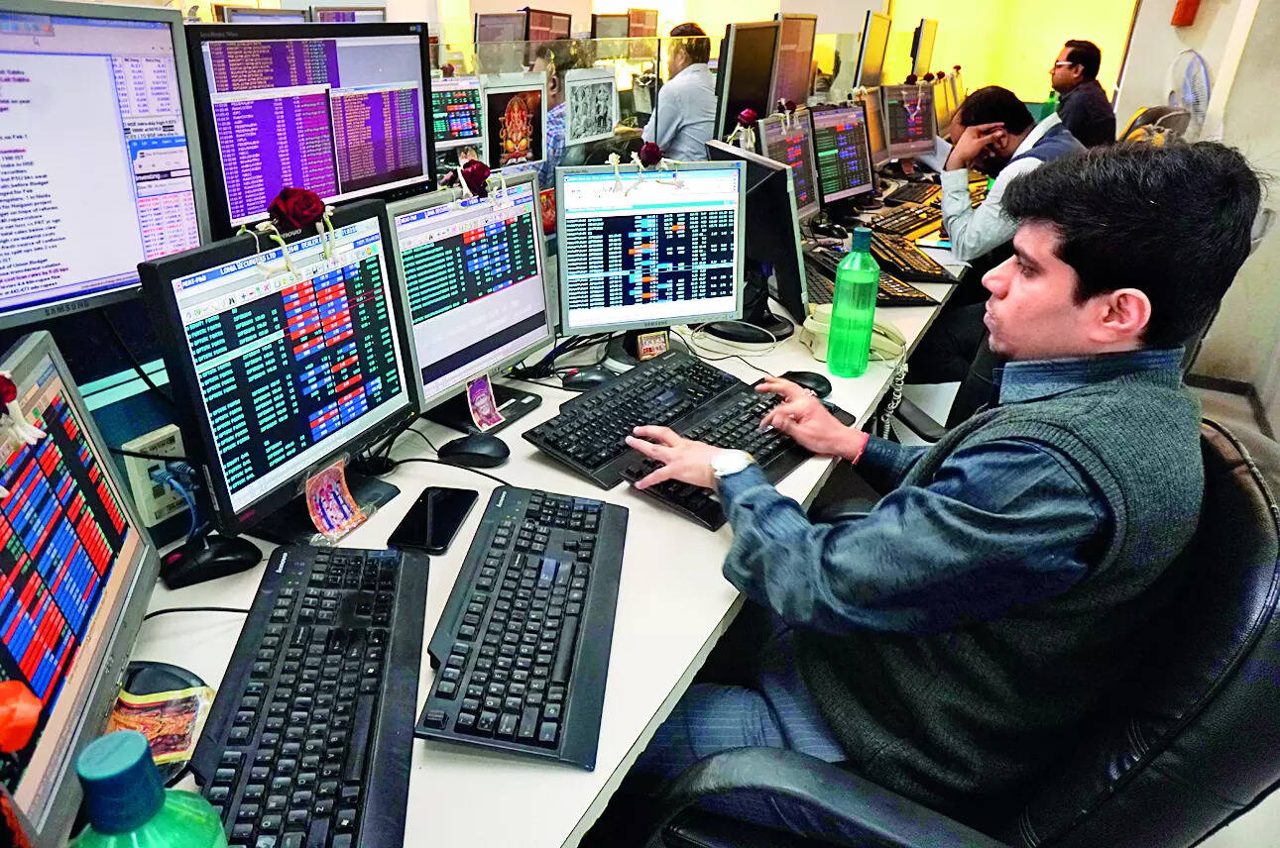
Indian stock indexes posted moderate declines despite rising oil prices and geopolitical escalation, signaling that investors remain confident the conflict will not spiral into a broader regional war.
Indian equities closed lower on Tuesday following Trump's latest salvo over the Strait of Hormuz, yet the sell-off remained remarkably contained. The benchmark Sensex and Nifty indexes both ended the session 0.7 percent down, demonstrating notable market stability in the face of international uncertainty.
Broader market segments also experienced mild pressure, reflecting a measured rather than panicked response from traders. The Nifty Mid-cap 150 fell 0.5 percent, while the Small-cap 250 dropped 1 percent. These relatively moderate downsides indicate that risk aversion is far more tempered now than during previous bouts of regional conflict.
Market participants are currently refusing to price in the likelihood of a full-blown war in the Middle East. S Naren, chief investment officer at ICICI Prudential AMC, observed that the market's resilience stems from this exact calculation. He added that investors appear to be getting accustomed to intermittent geopolitical tensions in the region.
This calibrated response is clearly evident in the market's weekly performance metrics. Despite the latest escalation between the US and Iran, the Nifty’s total decline over the past week has been restricted to approximately 1.4 percent.
Furthermore, smaller capitalization stocks have managed to post slight weekly gains amid the ongoing volatility. Both the Mid-Cap and Small-Cap indexes are up 0.6 percent over the same seven-day period, underscoring underlying domestic market strength that defies immediate geopolitical shocks.
This equity resilience comes as Middle East tensions have simultaneously pushed global oil prices above the $85 per barrel mark. The ability of Indian equities to absorb this dual shock of rising energy costs and regional instability without severe disruption suggests a matured investor approach to geopolitical risk premiums. Market professionals are effectively separating temporary headline risks from long-term economic fundamentals.