Indian Rupee Hits Eight-Week Low as Oil Surge and Foreign Outflows Pressure Currency
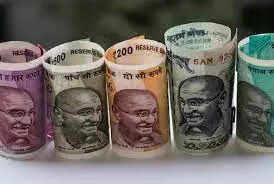
The Indian rupee fell to its weakest closing level in two months amid rising Brent crude prices and renewed foreign investor outflows, prompting central bank intervention to stabilize the currency.
The Indian rupee closed at 96.20 per dollar on Tuesday, marking its weakest closing level since May 21. The currency touched an intraday low of 96.23 before stabilizing, representing a sharp decline from Monday’s close of 95.62.
This depreciation reflects a combination of mounting external and domestic pressures. Surging crude oil prices and heightened safe-haven demand for the US dollar have weighed heavily on emerging market currencies across the board.
Brent crude futures climbed more than 4 percent during the trading session to reach $87 per barrel. Simultaneously, overseas investors resumed selling local Indian assets, compounding the downward pressure on the domestic currency.
The Reserve Bank of India stepped in to prevent a steeper and more disorderly decline. Market traders noted that the central bank actively intervened around the 96.20 level to contain further losses and maintain orderly market conditions.
The currency has faced persistent headwinds in recent months, having previously hit a record low of 96.96 on May 20. Following Tuesday’s session, the rupee has now depreciated by 1.4 percent in the fiscal year so far.
For international investors and corporate treasurers, this trajectory highlights the acute vulnerability of India’s import bill to geopolitical tensions in the Middle East. A persistently weaker rupee directly increases the cost of dollar-denominated debt servicing and imported energy for local firms.
Furthermore, renewed foreign portfolio outflows signal shifting risk appetites among global institutional investors. When capital exits emerging markets in search of safer yields, it leaves local currencies exposed to heightened volatility.
Market participants will closely monitor the Reserve Bank of India’s ongoing willingness to defend the currency. Sustained oil price volatility and continued foreign asset sales could severely test these defensive monetary measures in the coming weeks.