Burry calls Berkshire unattractive as Abel breaks 14-quarter selling streak
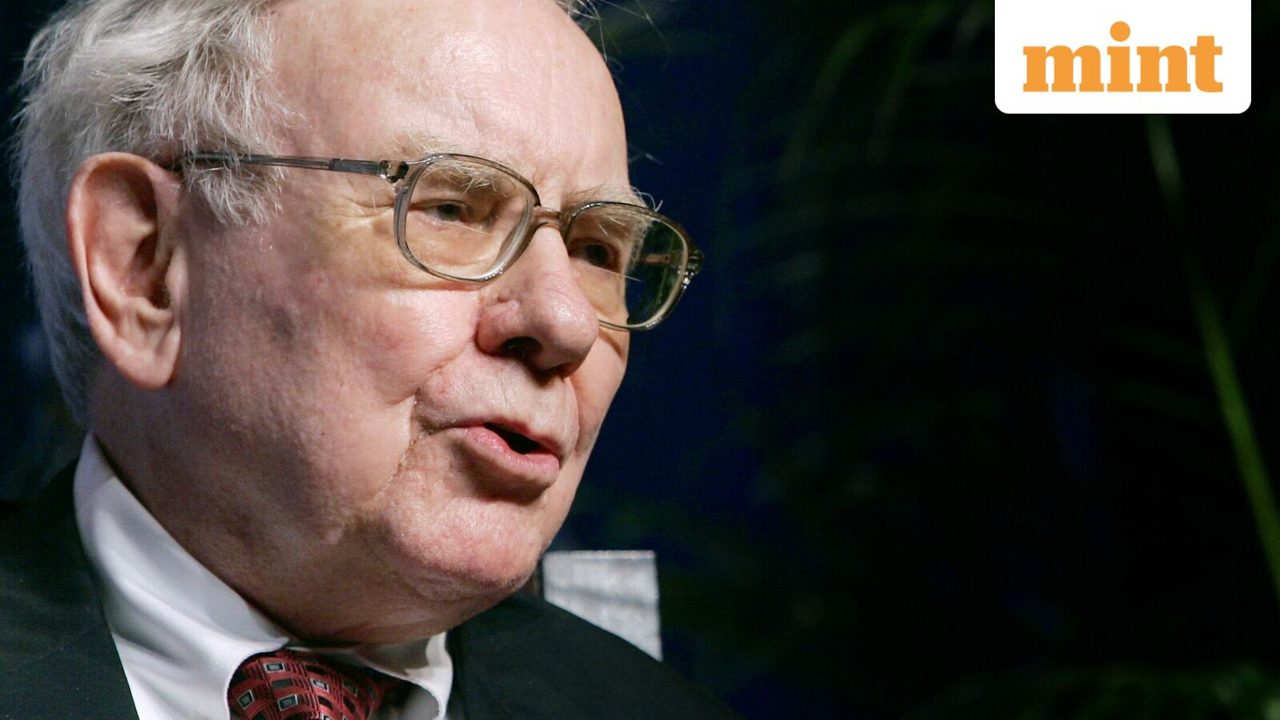
Michael Burry has declared Berkshire Hathaway an unattractive investment, arguing that new CEO Greg Abel's initial capital deployment from a $400 billion cash pile lacks the patience of his predecessor, Warren Buffett.
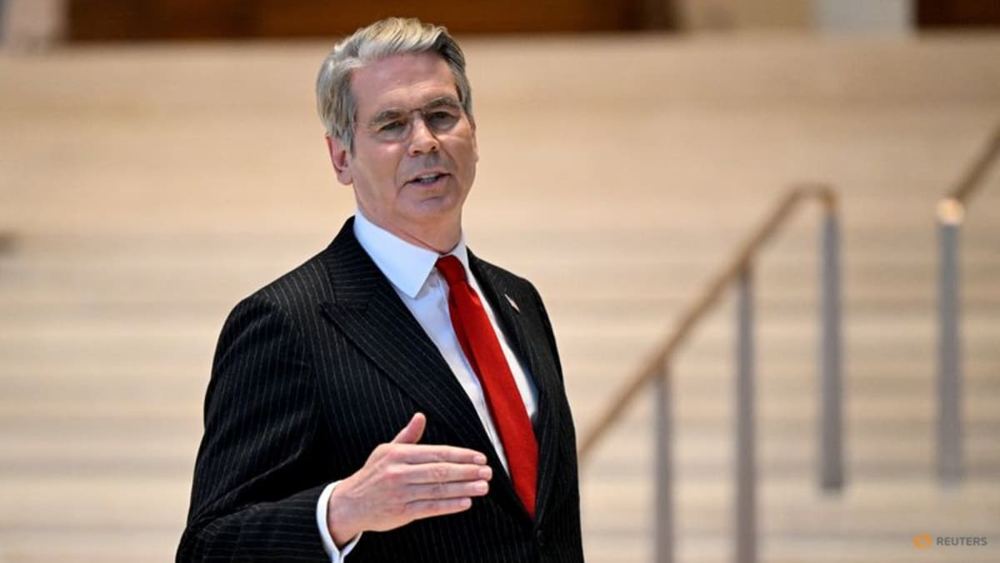
Michael Burry has dismissed Berkshire Hathaway as an unattractive investment despite new CEO Greg Abel recently breaking a 14-quarter streak of net stock selling. The investor warned that Abel lacks the patience of Warren Buffett, raising doubts about how the conglomerate will manage its nearly $400 billion cash reserve.
"My biggest fear for Berkshire Hathaway was that when Warren finally stepped down, the successor would be too old and otherwise not Warren, so would not have his patience for the fat pitch," Burry wrote on Substack. "I believe this fear has come true. I do not find Berkshire an attractive investment going forward."
The critique strikes at the core of Berkshire's market valuation. Investors historically paid a premium for the stock, accepting Buffett's refusal to issue a dividend because of his proven ability to wait for obvious, low-risk opportunities. Since Buffett stepped down, Berkshire shares have underperformed the broader market this year, though they have bounced back 4.6% over the past month as of August 11. Burry implies the market will not grant Abel the same leeway to hoard cash.
Abel has taken concrete steps to deploy capital. In the second quarter, Berkshire announced a $6.8 billion acquisition of Taylor Morrison Homes and repurchased roughly $4.5 billion of its own stock. That buyback total exceeds what the company repurchased in either 2024 or 2025. Furthermore, Berkshire significantly increased its equity position in Alphabet, elevating the tech giant to a top-five holding.
The AI opportunity cost
Burry remains unimpressed, arguing that these initial steps look to be "more framing moves than investment moves." His skepticism underscores a broader dilemma for value-oriented managers navigating the current market. While Buffett has warned about the market's speculative nature, avoiding the technology rally carries its own risks.
“Sitting on the sidelines while AI booms is easier said than done. Sure, investors who manage to avoid a crash will certainly be rewarded. But they can also be punished if they avoid AI and it goes on to generate gigantic returns,” a Motley Fool analysis noted. For Berkshire's new leadership, the immediate challenge is proving that disciplined capital allocation can still outperform a market driven by artificial intelligence.