Wendy's shares surge on report of Trian takeover bid
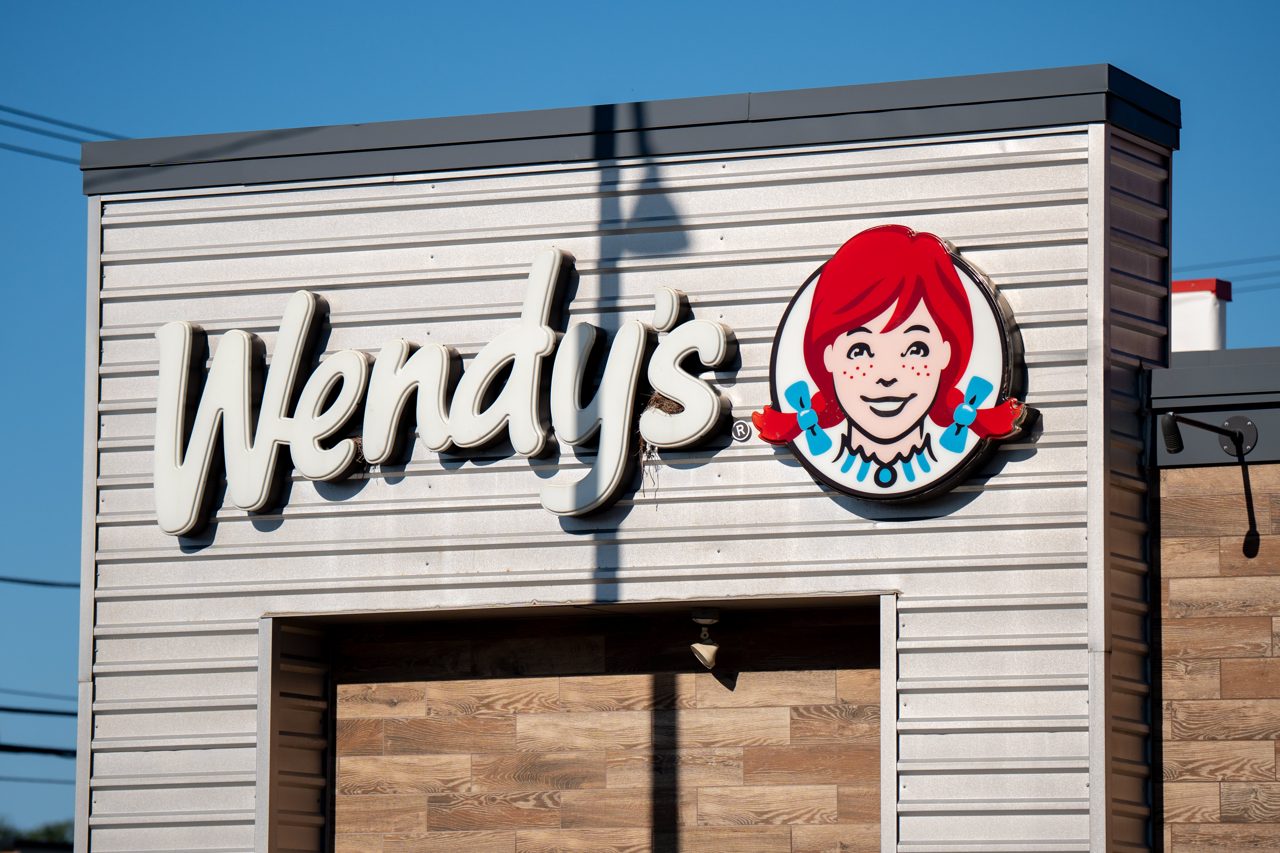
A reported takeover bid from Nelson Peltz’s Trian Fund Management has sent Wendy’s shares surging, offering a potential exit for investors in a chain struggling with declining sales and leadership turnover.
Wendy's shares were temporarily halted for volatility following a report that Trian Fund Management is preparing a takeover proposal. The investment firm is assembling a consortium of backers that reportedly includes BlueFive Capital and the Flynn Group, a major Wendy's franchisee. Neither Trian founder Nelson Peltz nor Wendy's immediately responded to requests for comment.
Trian already wields significant influence over the fast-food chain's direction. The firm owns a 7.85% stake in Wendy's, while Peltz personally holds a 16.24% economic interest. In a February regulatory filing, Trian explicitly labeled the company's stock as "undervalued."
The reported bid arrives at a particularly vulnerable moment for Wendy's operations. The company just reported its sixth consecutive quarter of same-store sales declines. This prolonged underperformance has enabled Restaurant Brands International's Burger King to surpass Wendy's as the second-largest burger chain in the U.S. by system sales.
Shifting consumer behavior has exposed Wendy's competitive weaknesses. As diners have increasingly prioritized value, Wendy's has struggled to win their business. A revolving door of chief executives over the past three years has compounded these issues, resulting in muddled turnaround strategies. Bob Wright, the current CEO, joined Wendy's after guiding Potbelly through its own take-private transaction.
Trian's latest approach follows a familiar playbook. The firm explored a takeover of Wendy's as recently as 2022 before ultimately deciding against a bid. Peltz’s involvement with the company traces back more than two decades to an initial activist campaign. After spending 17 years on the board, he was named chairman emeritus in 2024. Trian executive Peter May and Peltz’s son, Bradley, currently maintain board seats.
For public market investors, a take-private deal would provide a definitive exit premium for a stock that had been largely stagnant, rising only about 1% this year prior to the report. For the company itself, going private under Trian's umbrella could offer the strategic stability needed to overhaul its value pricing and reverse its declining market share without the constant scrutiny of quarterly earnings.