July inflation falls to 3.4% as Fed split deepens amid job losses

A slight easing in US consumer prices offers limited relief to the Federal Reserve, which must now weigh cooling inflation against a sudden contraction in employment and a deepening internal divide over interest rates.
US annualized inflation cooled to 3.4% in July, down from a three-year high of 4.2% in May. The dip follows a brief June ceasefire between the US and Iran that temporarily pushed Brent crude prices lower. However, consumer prices remain well above pre-war levels.
The inflation trajectory is heavily tied to the collapse of that Middle East peace deal. Negotiations to reopen the Strait of Hormuz, a conduit for a fifth of global oil, are at an impasse. Donald Trump has demanded compensation for the deaths of American soldiers and Iranian civilians, a condition Iran is unlikely to accept.
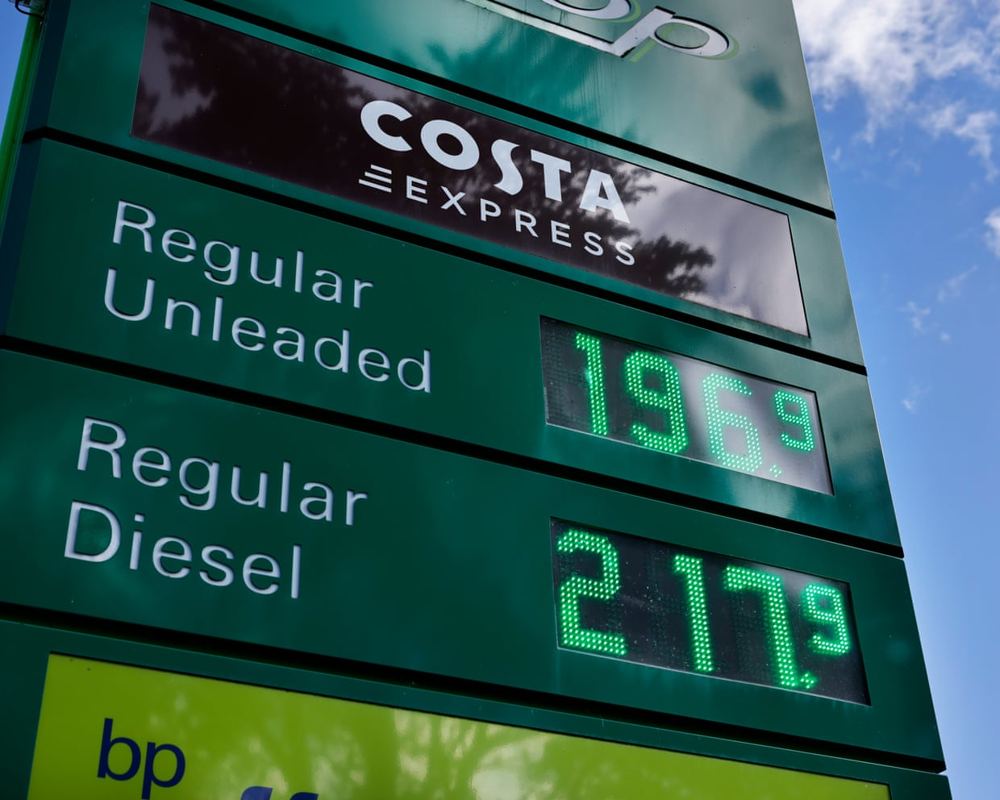
While energy costs have retreated from their late April peak, motorists are still feeling the pinch. Average US gasoline prices stand at $4 a gallon, according to AAA, an increase of more than $0.85 from a year ago. Any further geopolitical escalation could quickly reverse the recent disinflationary trend.
The inflation data arrives alongside a sharply weaker labor market, creating a complex dilemma for investors and policymakers. Employers unexpectedly cut 23,000 jobs in July, while revisions stripped a combined 103,000 jobs from May and June figures. This stagflationary combination of elevated prices and contracting employment complicates the traditional monetary policy playbook.
These mixed signals are amplifying a rare rift at the Federal Reserve ahead of its September rate-setting meeting. Last month, officials voted 9-3 to maintain rates, marking the first time in a decade that three board members dissented.
Lorie Logan, one of the dissenting bank presidents, has publicly pushed for rate hikes to combat persistent inflation. “More than five years after the post-pandemic surge, prices have continued to rise too rapidly,” Logan said. “Every month of above-target inflation compounds the strain on the budgets of American families and businesses.”
Fed Chair Kevin Warsh has maintained a vow to return inflation to the central bank’s 2% target. However, he signaled a more measured approach during the last meeting, noting that rates would not be used “in isolation” and cautioning against making decisions based on single monthly reports.
For markets, the July print reduces immediate pressure for a September hike, but the underlying risks are skewed to the upside. With Middle East diplomacy stalled and employment faltering, the central bank's ultimate policy path remains highly uncertain.