European heatwave shuts nuclear plants, threatens EU growth
Record nuclear plant shutdowns across France and Romania are squeezing European power supplies, with analysts warning the extreme heat could wipe out the entire bloc's expected economic growth this year.
Utility giant EDF has curtailed output at several French reactors and shuttered three units at its Gravelines plant this week after a "massive influx of jellyfish" triggered automatic preventative systems. It is the second straight year jellyfish have forced the closure of reactors at the facility. France, which derives roughly 70% of its electricity from nuclear energy, is reportedly experiencing a record number of plant shutdowns this summer as prolonged heat and drought strain water cooling systems.
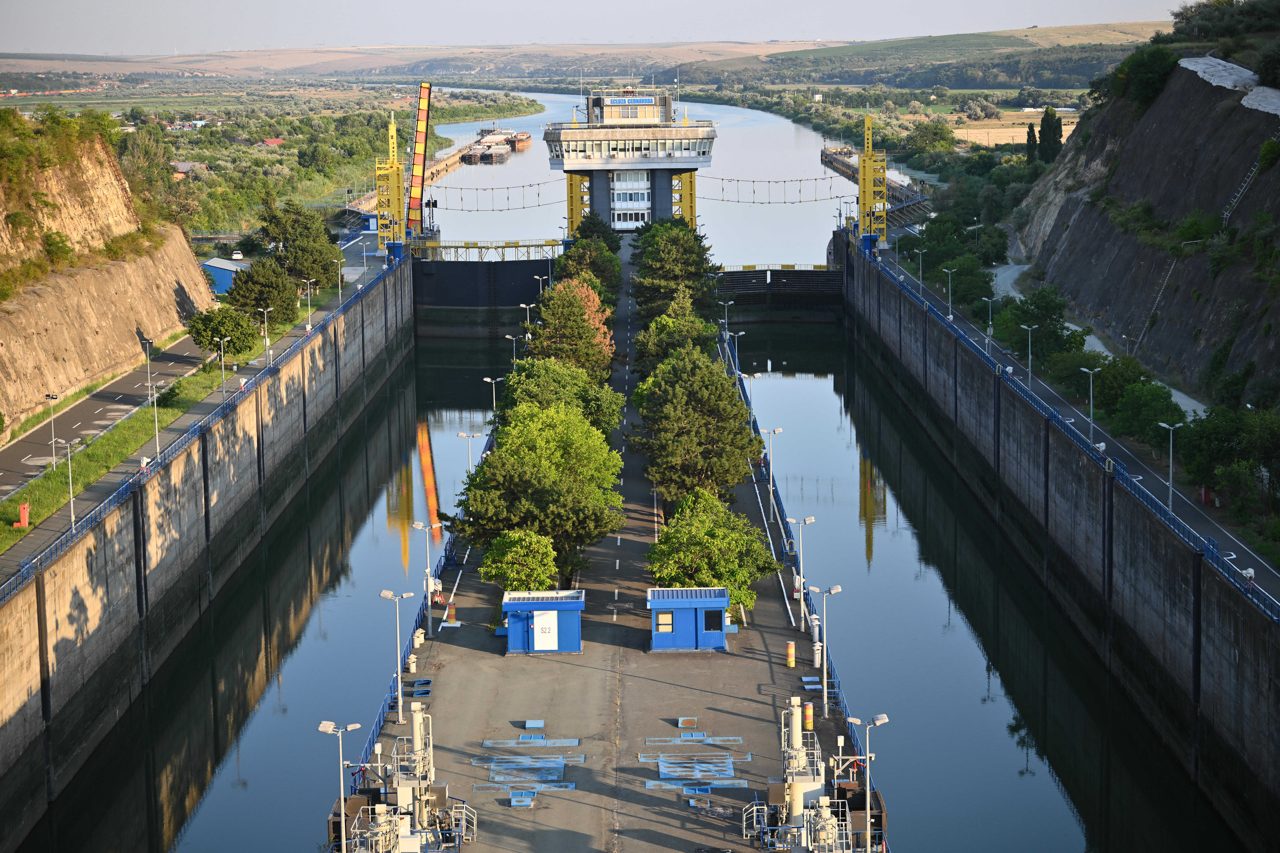
The supply crunch extends across the continent. In Romania, state-owned Nuclearelectrica warned it may close its sole remaining operational reactor at the Cernavoda plant as early as Thursday as Danube water levels plummet. The government has declared an energy emergency through August, even deploying naval forces to carry out a controlled underwater explosion on the riverbed to improve water flow to the facility, which usually provides a fifth of the country's power.
Hungary caught a temporary reprieve, with Prime Minister Péter Magyar announcing Monday that rainfall allowed the Paks nuclear plant to restart two of its eight turbines. The facility supplies nearly half of Hungary's electricity. Meanwhile, UK Prime Minister Andy Burnham convened the government's emergency Cobra committee on Wednesday as the country braces for temperatures reaching 38 degrees Celsius on Thursday.
These forced outages carry severe macroeconomic consequences. An August 8 analysis by Dutch bank Triodos estimates the searing summer heat could cost the European economy €180 billion ($207.7 billion). That figure equates to roughly 1% of the EU's gross domestic product, precisely the level of economic growth forecast for the 27-nation bloc this year.
Triodos cited constrained energy production and higher electricity prices as primary drivers of this potential hit, alongside lower agricultural yields, transport disruptions, and reduced labor productivity. The escalating disruptions underscore a growing systemic vulnerability for investors and executives. Extreme weather is increasingly dictating baseload power availability across the continent.
"I think many would suggest that treating this as an emergency is perhaps a little overdue," said Gareth Remond-King, head of international program at the Energy and Climate Intelligence Unit. He added that the extreme heat and drought demonstrate that "our climate system is in crisis" and warned this is "not something that is simply going to pass."