BoE Eases Capital Rules for AI Lending Amid Bubble Fears
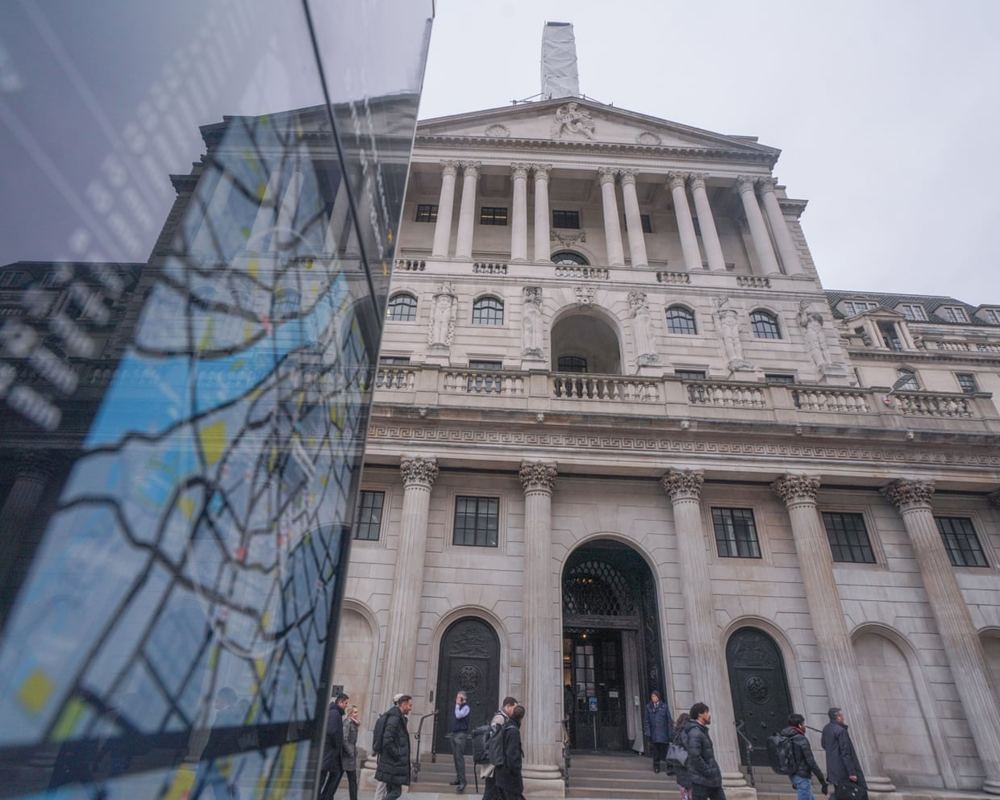
The Bank of England is preparing to loosen post-crisis capital rules to fuel AI investment just as Governor Andrew Bailey warns of a "triple whammy" of risks that could trigger a sharp market correction.
The Bank of England is planning to ease capital requirements in the coming weeks to stimulate growth, a move expected to unleash a fresh wave of lending into artificial intelligence stocks. However, the central bank has simultaneously flagged concerns that too much of this capital is reaching hedge funds pumping money into AI. Governor Andrew Bailey warned on Tuesday that “The risk of a sharp correction in equity markets remains high.”
The regulatory shift highlights the precarious position of the UK as it attempts to close the gap with the US and China in the AI race. Easing rules implemented after the 2008 financial crisis represents a direct response to immense political pressure to mobilize capital for economic growth. Yet, the central bank is stopping short of introducing new policies to shield the financial system from the dangers of these high valuations.
Bailey outlined a “triple whammy” of threats facing the sector. He cited oversized investment in AI equities, the likelihood that actual AI adoption will lag behind tech industry forecasts, and a development pace so rapid that it threatens to leave even massive corporations behind.
Those macro-level fears are already materializing at the corporate level, particularly for OpenAI. The company is facing mounting headwinds as it prepares for a highly anticipated stock market debut with ambitions of reaching a trillion-dollar valuation. The challenges threaten to undermine the narrative of unstoppable growth that typically accompanies a public listing.
On Friday, Apple sued OpenAI, accusing the startup of orchestrating a campaign to steal trade secrets for a proprietary hardware device. The legal action marks a stark deterioration in a relationship that saw Apple relying on ChatGPT to power Siri in 2024, only to replace it with Google’s Gemini for last month's update.
The lawsuit specifically names Tang Yew Tan, a former Apple vice-president who now leads OpenAI’s hardware division, as well as the startup of Sir Jony Ive. OpenAI paid $6.4 billion in equity to acquire Ive’s product-less startup in 2025, a move widely viewed as an attempt to import Apple's design sensibility. OpenAI stated: “We have no interest in other companies’ trade secrets.”
Compounding the legal friction is the sudden departure of Fidji Simo, the company’s second-in-command, last week. For a firm attempting to generate massive hype ahead of a public offering, these operational setbacks risk undermining investor confidence in its ability to execute a hardware transition beyond its core ChatGPT software.