SEBI finds no manipulation in India's new stock closing auctions
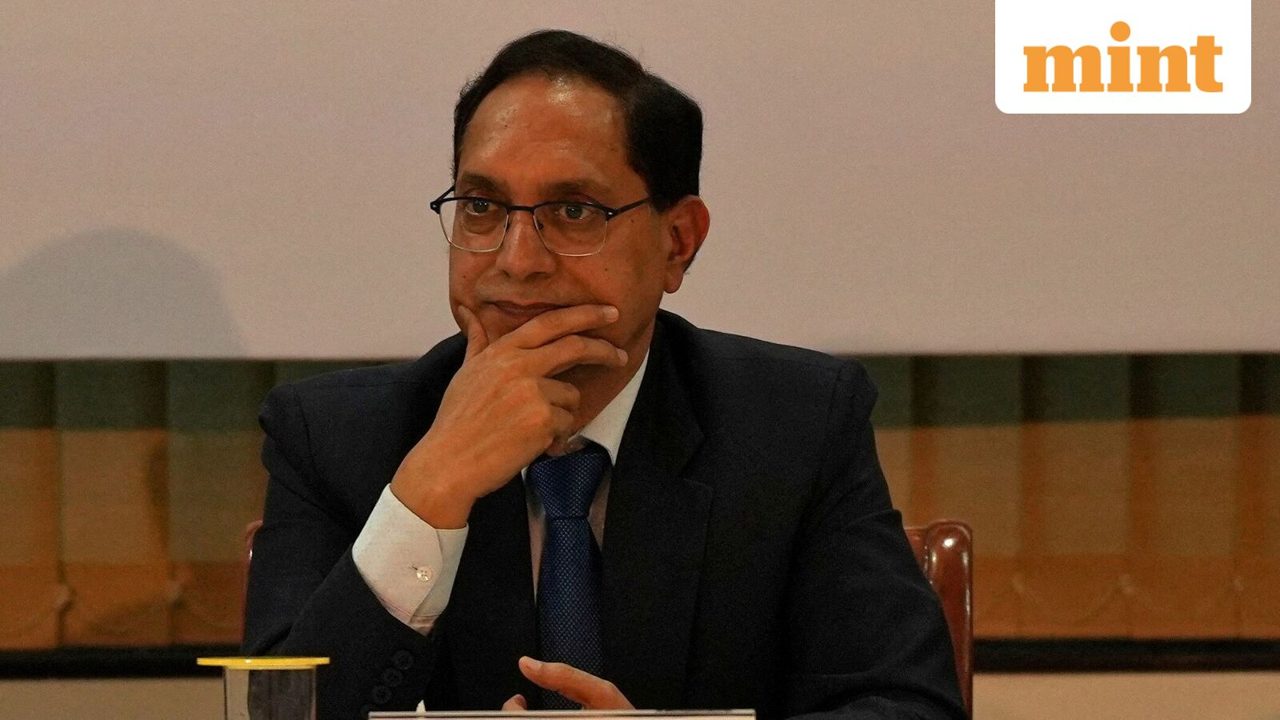
India's market regulator has found no evidence of manipulation in its newly introduced closing auctions, even as the mechanism triggers sharp price swings and a 40% drop in index derivatives volumes.
The Securities and Exchange Board of India has detected no wrongdoing during its new closing auction sessions, according to chairperson Tuhin Kanta Pandey. The mechanism, which debuted on August 3 for 208 derivative-traded stocks, replaced the long-standing volume-weighted average price system to improve price discovery and curb manipulation.
The transition has been turbulent for traders. On its first day, the NSE Nifty50 surged 1.6% compared to a much weaker 0.7% gain in the BSE Sensex. A sudden 200-point jump in the Nifty during the final two minutes of the order-closing period created a stark divergence between the benchmark index and its underlying futures, leaving market professionals puzzled.
Pandey attributed this pricing discrepancy to an absence of key market participants, specifically arbitrageurs who typically bridge gaps between identical stocks traded on different exchanges. Because these players sat out, low liquidity during the session amplified price moves and raised immediate doubts among market participants about potential manipulation.
The resulting uncertainty has weighed heavily on trading activity across Indian derivatives. Average weekly traded volumes of Nifty and Bank Nifty index futures plunged 40% to 69,982 contracts in the week through August 7, down sharply from 134,754 contracts in the prior week. This drop significantly deviated from the preceding month's range, where weekly average volumes fluctuated between 95,433 and 141,912 contracts.
Weekly index options volumes suffered a similar fate. Purchased call options on August 4 dropped 16% to 151.9 million contracts from 180.6 million traded on July 28. Put option volumes also fell 10% week-over-week, reflecting a broader reluctance among traders to position themselves ahead of the new closing mechanism.
Current participation is largely limited to passive funds, foreign portfolio investors, and domestic and foreign high-frequency traders. Retail investors and mutual fund arbitrage funds have largely kept away. However, Pandey highlighted a shift in mutual fund behavior, noting their participation in the auctions has climbed to almost 25% from a previous baseline of 5% to 7%.
The SEBI chief acknowledged the structural friction but urged the market to adapt, pointing out that India was late to adopt closing auctions compared to global peers. "This is not a black box where traders wouldn't know what is happening in the 15 minutes, CAS has indicative prices," Pandey said. "There is a need for greater participation and for more and more people to understand it."