IEA cuts 2026 oil demand outlook by 510,000 bpd as Hormuz stalemate persists
The International Energy Agency has sharply deepened its forecast for global oil-demand contraction this year, underscoring how the unresolved Strait of Hormuz closure is simultaneously destroying consumption and constraining supply.
The International Energy Agency on Wednesday revised its 2026 global oil-demand forecast downward by 510,000 barrels a day, now projecting a full-year decline of 1.6 million bpd. The Paris-based agency attributed the deterioration to sustained high fuel prices stemming from the closure of the Strait of Hormuz, which has choked a critical artery of global crude flows since March.
The revision signals that the crisis has moved beyond a supply shock into active demand destruction. Consumers and industrial users are cutting back, and the IEA expects consumption to remain depressed through most of the year, with growth returning only in the final quarter.
Supply remains 6.3 million bpd below last year
On the other side of the equation, global oil supply in July stood 6.3 million barrels a day lower than a year earlier. The IEA pointed to "renewed hostilities and maritime disruptions" as obstacles to restoring flows, noting that a Washington-Tehran agreement to reopen the strait has failed to materialize as both governments continue to issue competing public demands.
That unresolved stalemate keeps the market in a fragile equilibrium. Traders have been quick to buy any hint of a diplomatic breakthrough, capping rallies, but analysts caution that such optimism is unsustainable without a concrete deal.
Wild swings in Brent, stockpiles at four-decade lows
The result has been extreme price volatility. Brent crude breached $100 a barrel last month before plunging toward $70, and was last trading just under $90. The $30 range within a single month reflects a market that cannot price the geopolitical risk with confidence.
Buffers that initially absorbed the Hormuz shock are thinning. U.S. crude oil inventories this week fell below 300 million barrels, the lowest level in more than four decades. Earlier in the crisis, a sharp drop in Chinese imports, the rerouting of tankers around alternative shipping lanes, and coordinated inventory drawdowns prevented the globally destabilizing shortage many feared in March.
Those cushions are now largely spent, meaning any fresh disruption would hit prices with less insulation than earlier this year.
Refining bottleneck hits consumers, IMF trims growth
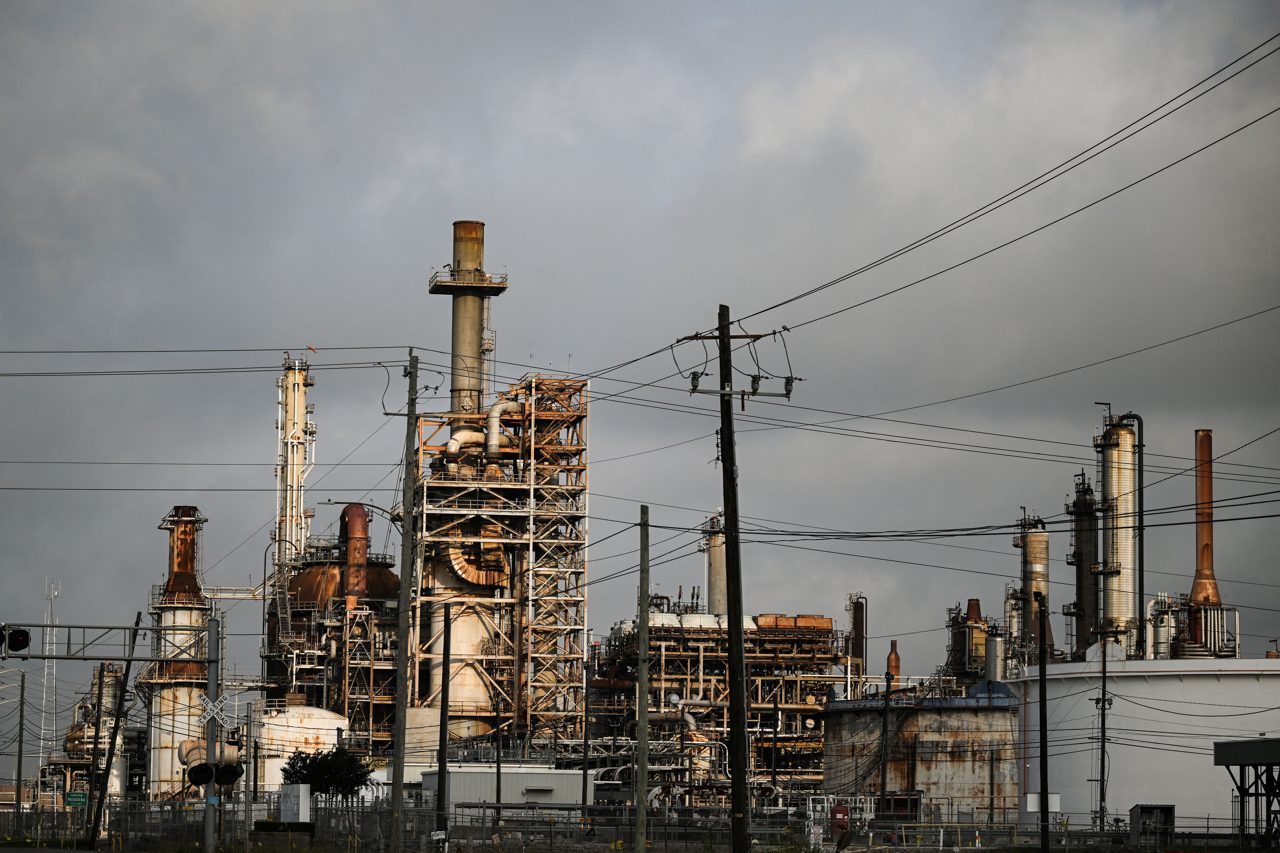
Even where crude is available, constrained refining capacity is pushing gasoline and diesel prices higher, passing costs directly to households and transport-dependent industries.
The macroeconomic toll is mounting. The International Monetary Fund has already reduced its global growth forecast for the year to 3% from 3.3% following the outbreak of the Iran war in February. IMF managing director Kristalina Georgieva warned earlier this year that "all roads now lead to higher prices and slower growth."
For investors, the IEA's latest numbers confirm that the Hormuz crisis is no longer a short-term trading event but a structural drag on energy markets and the broader economy. Until the strait reopens or alternative supply meaningfully scales, the oil market will remain caught between weakening demand and a supply base that cannot recover.