Venezuela grid tested as power demand hits eight-year peak
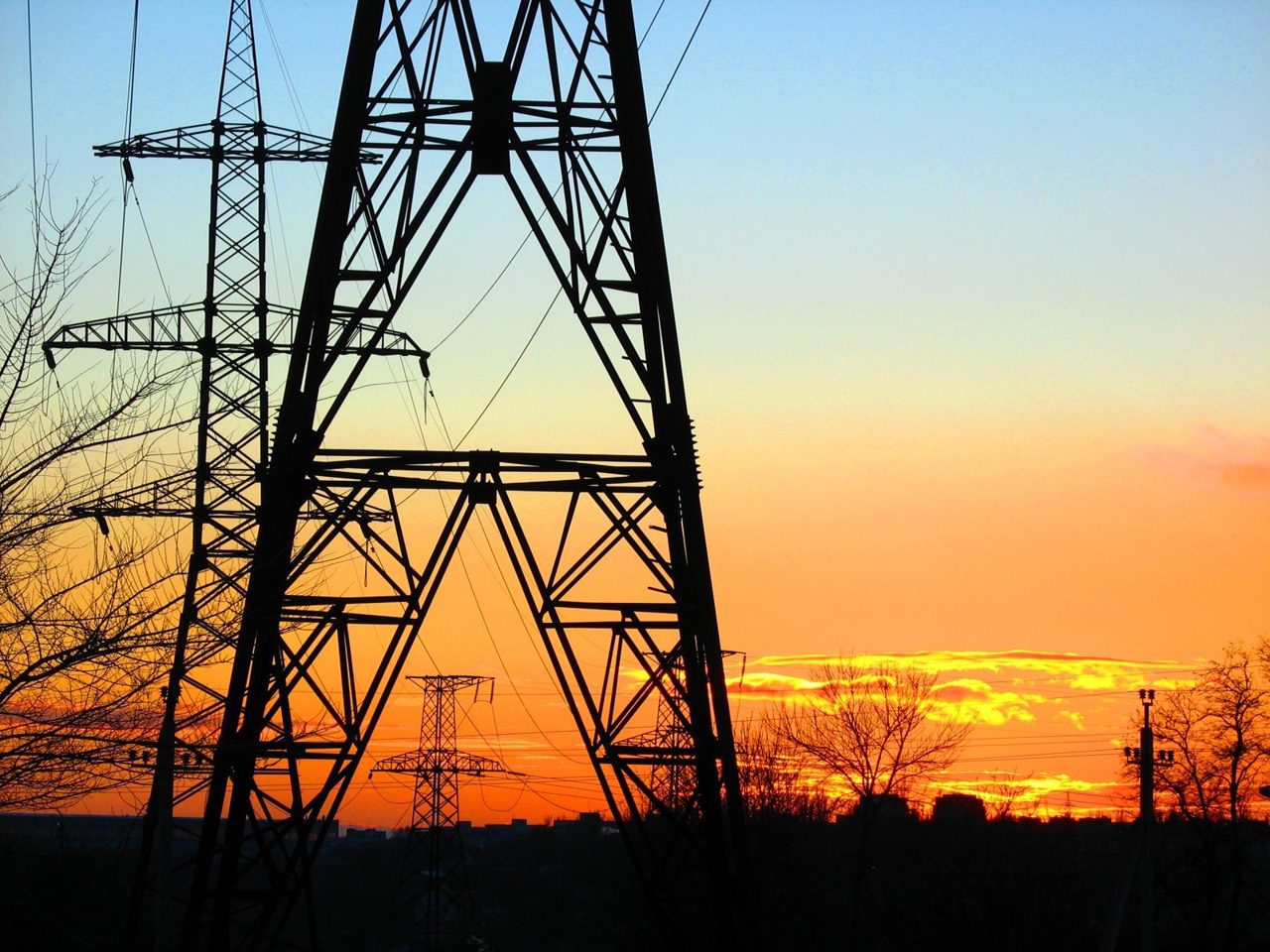
Venezuela's electricity demand surged to an eight-year high, offering a rare positive signal for economic growth while exposing the fragility of the power infrastructure that underpins any investment in the country.
Venezuela's National Electric System registered peak demand of 15,625 megawatts on August 10. The Ministry of Electric Energy and state utility Corpoelec confirmed the figure was 3.6% above the 2025 maximum, marking the highest electricity demand recorded in eight years.
Officials attributed the surge to a combination of elevated temperatures driving residential cooling and broader economic growth increasing industrial loads. For market participants trying to track an opaque economy, power consumption serves as a rare, tangible proxy for actual commercial activity.
The numbers suggest a meaningful shift. When factories run at higher capacities and commercial real estate fills up, the grid feels the increased load. The August peak represents the strongest pull on the system since at least 2018, indicating that capital and business operations are actively circulating.
However, rising demand presents a complicated proposition for investors. The same load that signals economic recovery also strains a network highly vulnerable to catastrophic failure. A nationwide blackout in March 2019, triggered by failures at the Guri hydroelectric plant and transmission lines, paralyzed hospitals, water pumps, and communications for days.
While the 2019 collapse was caused by operational failures rather than demand volume, higher loads undeniably increase stress on aging equipment and weak transmission points. Any capital deployed in Venezuelan manufacturing, retail, or data infrastructure must price in power reliability as a persistent operational risk. Production schedules and basic services remain hostage to grid stability.
The government's current response underscores this vulnerability. Rather than publishing clear reserve margins or outlining new baseload capacity investments, the Ministry and Corpoelec have emphasized active monitoring, stabilization work