EU Slaps 24.1% PTA Duty on Mexico, 13.3% Cap on South Korea
The European Union has finalized a 24.1% anti-dumping duty on Mexican purified terephthalic acid, dealing a sharp setback to the country's efforts to diversify its export markets beyond the United States.
The European Union in August 2026 imposed definitive anti-dumping duties on purified terephthalic acid (PTA) from Mexico and South Korea. Mexican exporters now face a 24.1% tariff, while South Korean firms will pay between 6.1% and 13.3% depending on the company. The European Commission concluded both nations sold the chemical into the bloc at unfairly low prices, causing material injury to domestic producers in Belgium, Poland, and Spain.
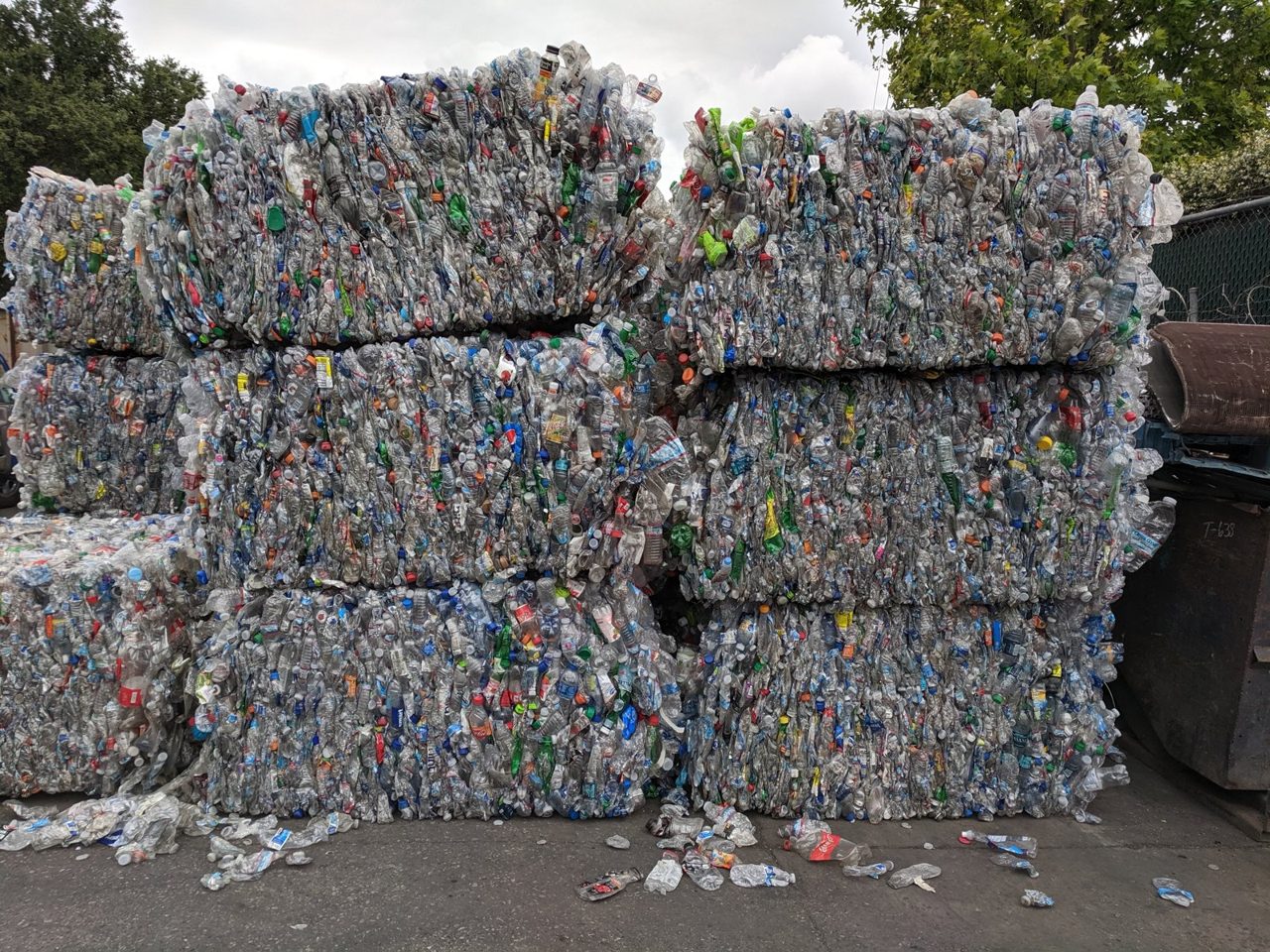
PTA is a primary industrial input for polyester fibers, plastic bottles, and packaging films. For Mexican chemical companies operating on thin commodity margins, a 24.1% border levy fundamentally alters the economics of selling to Europe. Exporters must now choose between absorbing the cost, raising prices to lose orders, or abandoning the market entirely.
The ruling arrives at a sensitive moment for Mexico's trade strategy. As the country pushes to reduce its reliance on the United States through nearshoring and manufacturing expansion, losing access to a European industrial niche highlights the fragility of those ambitions. It also serves as a warning that the EU will actively deploy trade defense tools even against partners with whom it is modernizing trade agreements.
South Korean competitors are positioned to capitalize on the tariff disparity. Their comparatively low duties mean Mexican PTA now carries a distinct pricing disadvantage in Europe. The gap indicates EU investigators found significantly deeper price undercutting by Mexican firms than by their Asian counterparts.
Mexican producers will likely attempt to redirect volumes to the United States, Brazil, or domestic buyers. However, the US market presents its own oversupply challenges, limiting the viability of this pivot. European buyers of PTA will face margin pressure from higher input costs, though the effect on retail prices for clothing and packaged goods will be minimal.
While companies can appeal the regulation to EU courts, such challenges rarely overturn the core dumping findings. For investors and executives in the Latin American chemicals sector, this tariff is no longer a threat. It is a fixed cost that will define next year's budgets.