UK farmland faces 75% collapse without adaptation investment
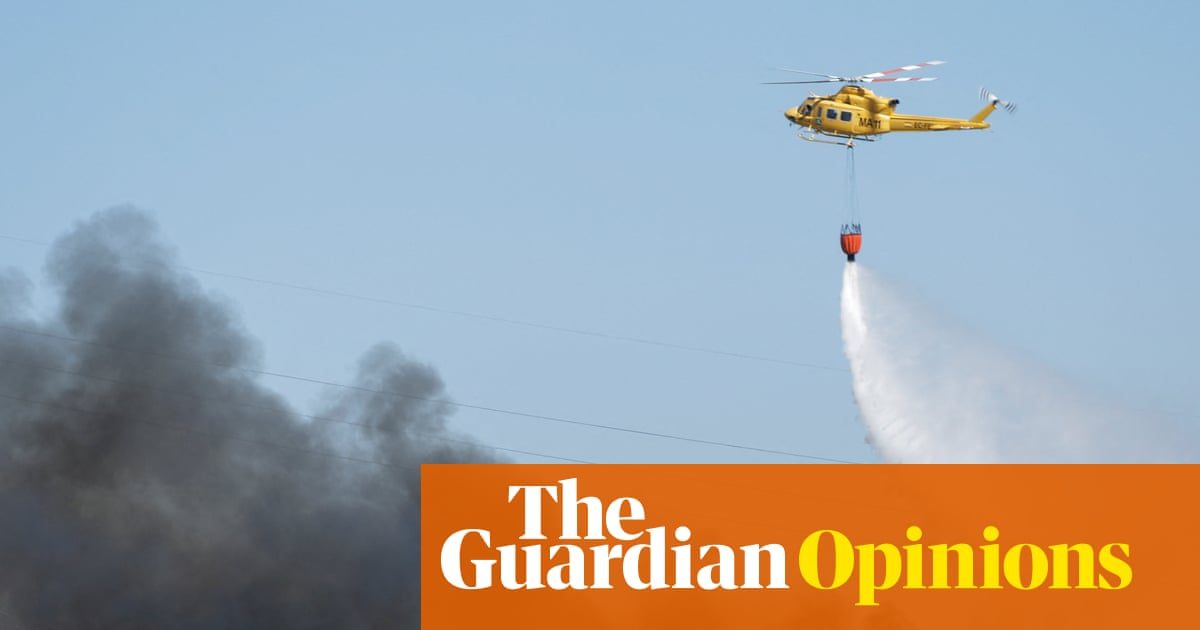
A projected 75% loss of high-quality UK farmland within two decades underscores the mounting economic risks of the country's climate adaptation gap, from supply chain shocks to inflation.
England and Wales face a projected 75% collapse in high-quality farmland over the next two decades if climate adaptation is neglected, government security assessments warn. This stark projection follows three of Britain’s five worst harvests occurring since 2020, a trend that is already impairing national food security.
The physical risks to the UK economy are materialising faster than models predicted. In 2021, the probability of a 40C heatwave hitting the UK before 2040 was assessed at just 0.02%. It happened the following year. Slight worsening of such extremes threatens cascading infrastructure failures, from wildfires to heat-stressed railway signalling causing train collisions, alongside severe strain on the NHS.
For markets, these physical impacts translate directly into inflation. Extreme weather is destroying crops and disrupting supply chains, pushing up prices. However, standard monetary policy is a blunt instrument against these shocks. Raising interest rates in response to climate-driven price spikes offers no protection from crop failures abroad, leaving the real economy exposed.
This economic vulnerability is fuelling a distinct political risk for investors. In Spain, poor adaptation following devastating floods allowed climate-denying parties to weaponise public anger, with similar dynamics surfacing in the UK. Analysts call this "derailment risk": a self-defeating spiral where climate shocks generate political backlash that derails net-zero policies, resulting in even less climate action.
Breaking this spiral requires reframing adaptation as a core economic investment rather than an environmental afterthought. Regenerative farming is a primary example. Backing domestic agricultural resilience reduces the UK’s reliance on climate-vulnerable global supply chains, mitigates inflation, and creates local jobs.
The built environment offers parallel opportunities. Retrofitting buildings for heat extremes and deploying heat pumps—which provide cooling in summer and heating in winter—cuts emissions while shielding the workforce and infrastructure from temperature shocks. Setting legal maximum temperatures for safe working would further accelerate this corporate retrofitting.
In a competitive, climate-disrupted global economy, capital will increasingly favour jurisdictions that have actively closed their adaptation gaps. For the UK, resilience investments are becoming a prerequisite for long-term economic stability and market attractiveness.