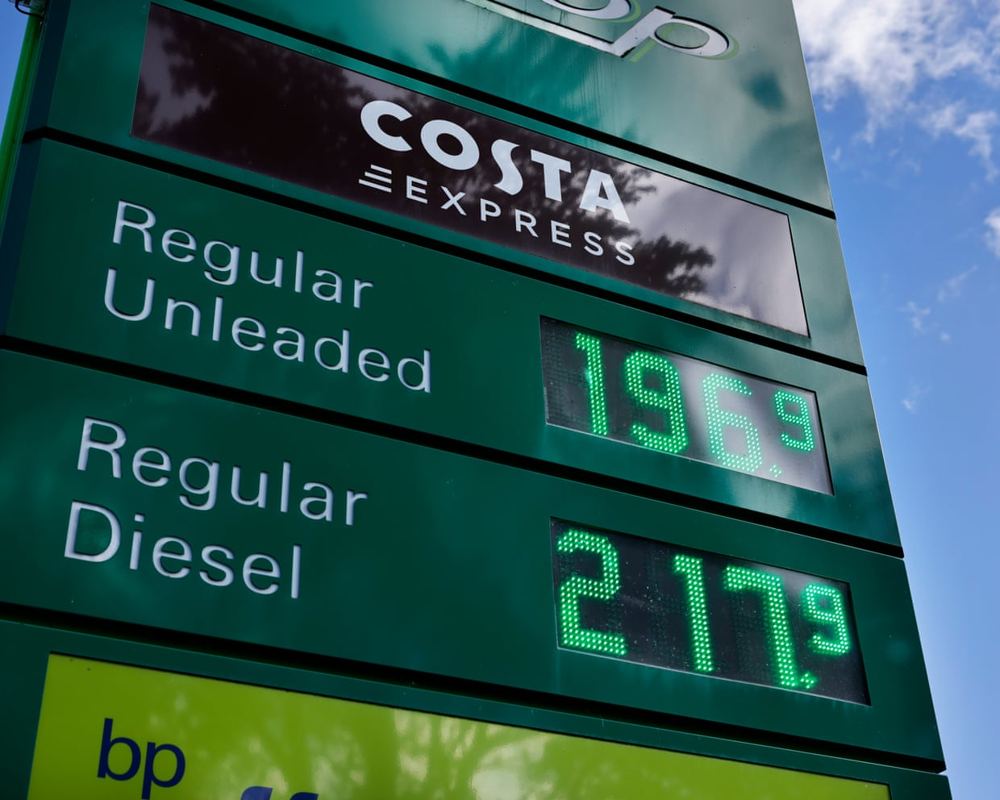
Brent crude nears $90 on Hormuz risk as Tui misses profit targets
Escalating maritime threats and stalled diplomatic negotiations have pushed Brent crude toward $90 a barrel, forcing Europe’s largest tour operator to warn of margin pressure as consumers retreat.
Brent crude is trading just under $90 a barrel, reaching a one-month high as escalating maritime attacks and diplomatic deadlocks threaten global fuel supplies. The US and Yemen’s Houthis reported separate vessel strikes in the Bab al-Mandeb and Strait of Hormuz on Tuesday, heightening fears of widespread disruption.
Supply risks are compounding as peace negotiations between Washington and Tehran stall entirely. Mohsen Rezaei, Iran’s top security official, stated the Strait of Hormuz would remain closed unless the US meets Tehran's demands, including the unfreezing of assets and the resolution of other regional conflicts.
Market participants see little immediate resolution to the geopolitical standoff. Ipek Ozkardeskaya, a senior analyst at Swissquote, noted that a brief pause in the US crude rally followed comments from Pakistan’s Defence Minister about being "close to some sort of arrangement". However, that relief proved short-lived as Iran reaffirmed its strict conditions for reopening the vital waterway.
The energy shock is already squeezing corporate margins in highly fuel-dependent sectors, providing a stark warning to investors. Tui, Europe’s largest travel company, reported a nearly 27 per cent drop in third-quarter operating profit to €234.6m. This performance significantly missed the €274m consensus estimate compiled by analysts.
Management at the cruise, airline, and hotel operator attributed the earnings shortfall directly to surging jet fuel costs alongside a broader decline in reservations. The results highlight how geopolitical friction and elevated commodity prices are translating into direct margin headwinds for the European consumer discretionary sector.
Executives noted that tourists are hesitating amid the broader economic uncertainty surrounding the conflict with Iran. However, company leadership maintains that underlying consumer demand for travel remains intact despite the current booking slowdown, suggesting the revenue dip may be temporary.
Investors are now monitoring how sustained energy prices will influence broader macroeconomic indicators and central bank policy. Market attention will shift later in the session to the release of July inflation data for the United States, which could dictate the next move in equities.