US July CPI forecast to rise 0.1% as Fed tightening risk persists
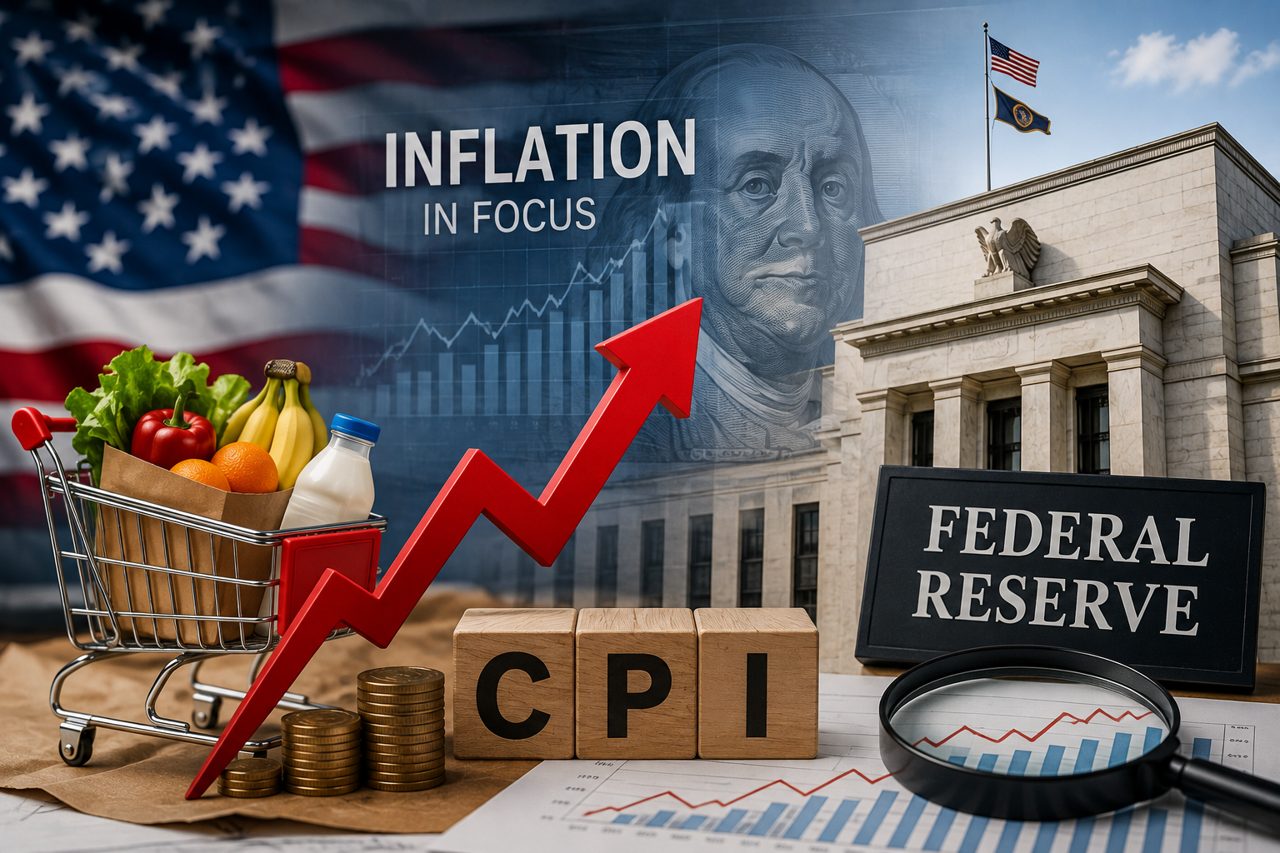
U.S. consumer prices are expected to rebound modestly in July, but persistent core inflation will likely keep Federal Reserve tightening expectations alive despite a cooling labor market.
The Labor Department is set to release its July Consumer Price Index report on Wednesday. Economists forecast a 0.1% monthly increase, reversing a rare 0.4% decline in June that marked the first drop in six years. On an annual basis, headline inflation is expected to ease slightly to 3.4% from 3.5%.
The modest headline rebound comes even as gasoline prices continue to fall. The national average dropped to $4.064 a gallon in July from $4.184 in June. America's status as a net oil exporter and ongoing drawdowns in petroleum inventories have largely insulated the economy from the initial oil-price shock triggered by the Middle East conflict.
Investors will focus more closely on core prices, which strip out volatile food and energy costs. Core CPI is forecast to climb 0.2% in July after being flat in June, pushing the annual rate to 2.5%. Economists anticipate this uptick will be driven by higher prices for used cars, airfares, and education and communication goods, alongside a modest increase in rents.
A benign core CPI print might temporarily soothe markets, but it will not necessarily signal victory over inflation. The Federal Reserve targets the Personal Consumption Expenditures index, not the CPI. Due to differing weightings, economists expect core PCE to rise 0.2% in July, keeping the annual rate stubbornly high at 3.3%.
This underlying stickiness means a moderate July CPI report is unlikely to eliminate market expectations for further monetary policy tightening later this year. The central bank must weigh these persistent price pressures against unexpected job losses reported last month. Upside risks to inflation also remain, as uncertainty lingers over the trajectory of the conflict involving the U.S., Israel, and Iran.
Reuters reported that U.S. President Donald Trump has indicated Washington is considering both intensified economic pressure and stronger military action toward Tehran. For the broader economy, the elevated cost of living continues to drag on consumer spending, particularly since wage growth is failing to keep pace.
Economists remain divided on whether declining hotel and motel prices will provide any further relief to household budgets. With the November midterm elections approaching, persistent inflation carries significant political weight. The data also has direct implications for corporate earnings and future borrowing costs.