TSMC approves $29.4bn capital budget to expand AI chip capacity
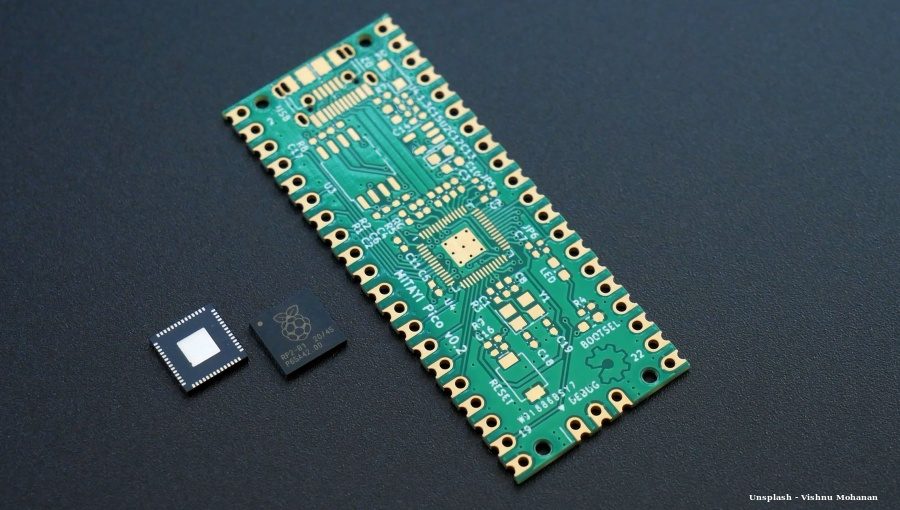
The chipmaker's board sanctioned a fresh spending tranche that pushes its 2026 capex trajectory toward the upper end of a recently raised $60bn–$64bn range, underscoring how AI demand is reshaping global semiconductor investment.
Taiwan Semiconductor Manufacturing Co.'s board has approved a capital budget of approximately $29.44bn earmarked for new fabrication plants and the installation of advanced-process production lines. The decision, reached at a two-day board meeting that concluded on August 11, represents the latest concrete step in the company's effort to keep pace with surging orders for artificial intelligence processors.
The appropriation sits within a sharply upgraded full-year spending plan. At its July investor conference, TSMC lifted its 2026 capital expenditure forecast to $60bn, $64bn, a significant increase from the $52bn, $56bn range it had guided in April. Management attributed the revision to sustained global demand tied to AI applications, 5G infrastructure and high-performance computing.
What it signals for the supply chain
For investors tracking the AI buildout, the approval confirms that the largest contract chipmaker in the world is committing real dollars, not just forecasts, to capacity that will not come online for several years. TSMC's spending decisions ripple through the entire semiconductor equipment and materials ecosystem, benefiting suppliers of lithography tools, specialty gases and advanced packaging substrates.
The size of the tranche also suggests TSMC sees client demand extending well beyond the current cycle. The company framed the spending around "long-term capacity plans" anchored to both market forecasts and its internal technology roadmap, language that typically signals multi-year commitments rather than short-run demand spikes.
Steady dividend alongside heavy reinvestment
Alongside the capex approval, the board declared a second-quarter cash dividend of TWD7 per share, equivalent to roughly $0.21. The payout is unchanged from the first quarter and came against earnings per share of TWD27.25 for the period.
Maintaining the dividend while directing tens of billions toward new fabs sends a dual message to shareholders: free cash flow generation remains robust enough to fund aggressive expansion without trimming returns. For income-oriented holders of TSMC stock, the stability of the quarterly payout removes one source of uncertainty during a period of historically elevated spending.
Broader context for markets
The approval lands at a moment when investors are scrutinising whether AI-related capital expenditure can sustain its current pace. Hyperscalers and chip designers have been signalling large orders, but questions linger about the durability of that demand into 2027 and beyond. TSMC's willingness to raise guidance twice in a single year, and now to lock in a near-$30bn appropriation, offers one of the clearest demand signals available to the market.
Equipment makers, rival foundries weighing their own expansion timelines and sovereign wealth funds with semiconductor mandates will all parse the decision for clues about where leading-edge capacity will be concentrated over the next three to five years.