Indian Equities Slide as Brent Crude Tops $89 on Middle East Tensions
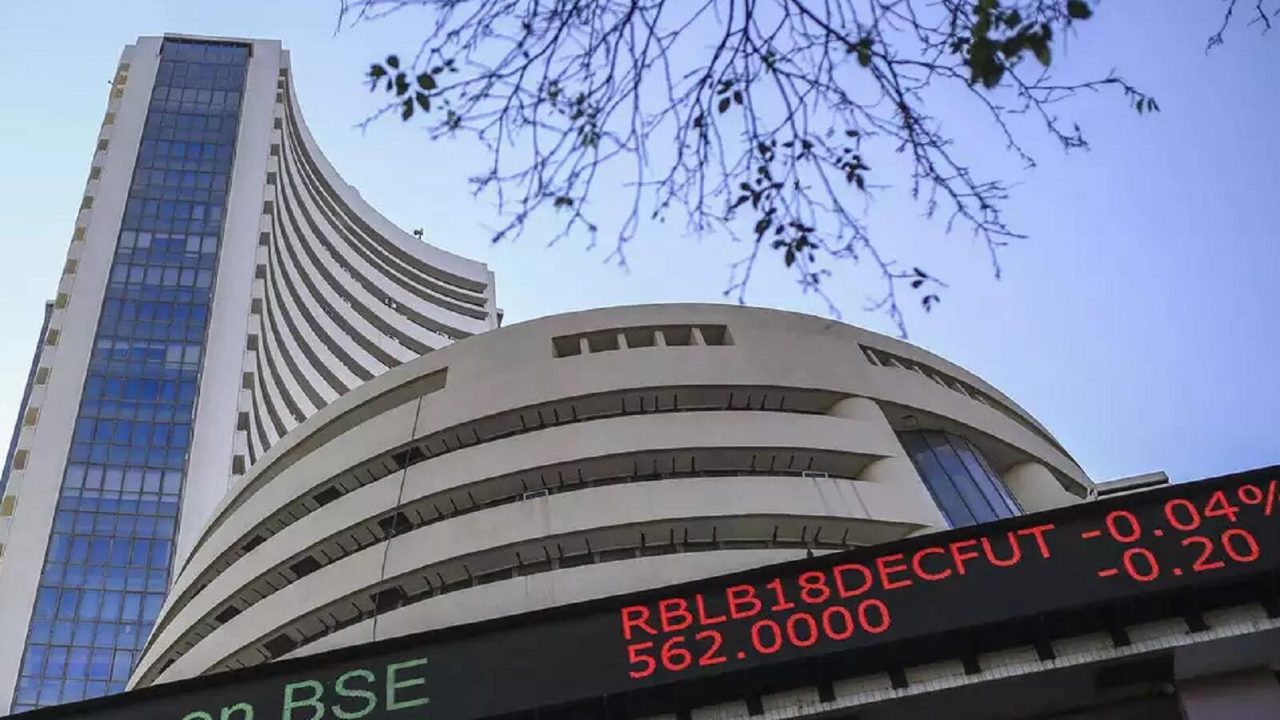
India's benchmark indices retreated amid escalating Middle East geopolitical risks pushing oil prices higher, though robust domestic growth forecasts and resilient broader markets offered underlying support.
India's benchmark equity indices retreated in early trading as escalating geopolitical tensions in the Middle East pushed global oil prices higher. The Sensex fell more than 200 points to 78,000, while the Nifty 50 index slipped below the 24,250 level.
Despite the blue-chip decline, the broader market demonstrated resilience with positive overall breadth. The National Stock Exchange recorded 1,408 advancing stocks against 830 decliners and 173 unchanged issues, while the Nifty Smallcap 100 and Nifty Midcap 100 indices secured marginal gains.
Sectoral performance was mixed, with the Nifty Metal index advancing more than half a percent to lead the gains. Among individual Sensex constituents, Tech Mahindra, UltraTech Cement, Eternal and Bharat Electronics rose nearly 1 percent, while Zudio-parent Trent led the losses with a 0.6 percent decline.
The benchmark weakness was primarily driven by a resurgence in energy costs, with Brent crude climbing above $89 a barrel. This rally in oil prices follows a recent US military strike on a Panama-flagged container ship and signals a hardening stance from Iran regarding the strategic Strait of Hormuz.
Analysts warn that these sustained geopolitical frictions threaten to keep crude prices elevated in the near term. Such persistent energy inflation could constrain the broader equity rally by pressuring corporate margins and increasing input costs across the economy.
Countering the external headwinds, domestic macroeconomic indicators remain highly optimistic. State Bank of India projects gross domestic product growth at 8 percent for the fiscal year 2027, significantly outpacing the Reserve Bank of India’s more conservative 6.7 percent estimate.
This robust growth trajectory suggests that corporate earnings for the upcoming fiscal year could substantially exceed current market expectations. According to analyst Vijayakumar, this potential earnings upside remains what he describes as a "bullish factor" for long-term investors.
Vijayakumar also highlighted a significant trend of hyperactivity within the mid-cap and small-cap segments. These smaller stocks are currently showing acute sensitivity and rapid price responses to quarterly results and corporate news flow.
From a technical perspective, the near-term undertone for the Nifty remains subdued as long as it trades below the 24,650 resistance mark. Rajesh Palviya, Head of Research at Axis Direct, identifies immediate support levels at 24,400, with a secondary floor between 24,250 and 24,200.
Palviya noted that a sustained stabilization in crude oil prices could serve as a primary catalyst for renewed institutional buying. Such a shift in commodity sentiment would likely provide the momentum needed to push the benchmark index back toward the 24,800 threshold.