US Supreme Court seeks $14.6m security boost amid rising threats
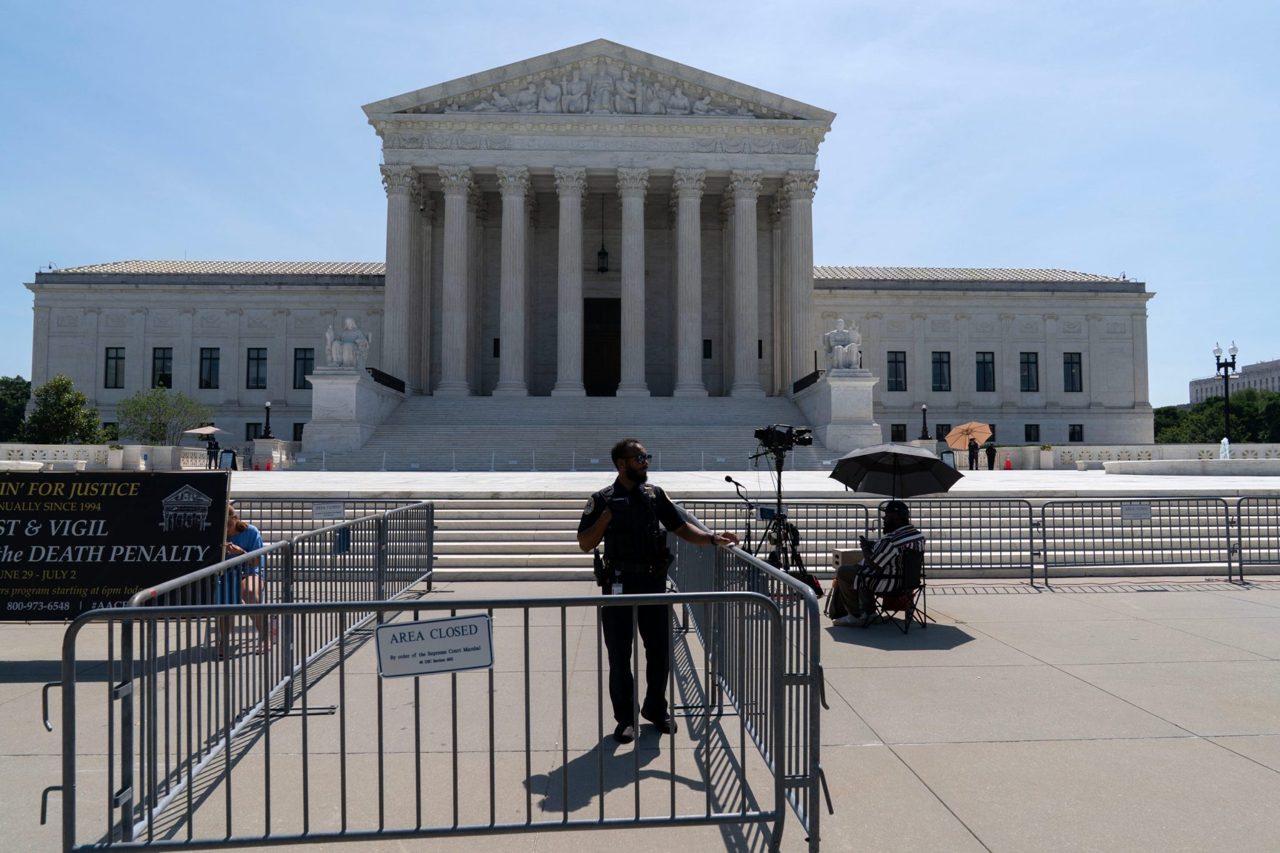
Supreme Court Justices Amy Coney Barrett and Elena Kagan requested a $14.6 million security increase from Congress, highlighting how escalating threats are disrupting the institution that decides critical regulatory and trade cases.
Supreme Court Justices Amy Coney Barrett and Elena Kagan asked a House appropriations panel on Tuesday to approve a $14.6 million increase for personal security, warning that a surge in threats is encroaching on their private lives. The request is part of a broader $228 million budget proposal for the next fiscal year, representing a roughly 10% increase over current funding.
The security allocation would assign six additional protection agents to each of the nine justices. An extra $2 million would establish an off-site residential security post to speed up emergency responses and hire more Supreme Court police officers.
The testimony came two weeks after the court concluded a term featuring major decisions with direct market implications. The conservative-majority court recently ruled to increase presidential power over federal regulatory agencies and rejected wide-ranging tariffs, drawing harsh personal criticism.
Barrett told lawmakers she wore a bulletproof vest home a few years ago, struggling to explain it to her 12-year-old son. "I didn’t expect that performing this service would put me in the position of explaining to my children what a bulletproof vest was, why I had to wear one," she said.
The Supreme Court is not alone in facing hostility. The U.S. Marshals Service recorded 564 threats against federal judges in the fiscal year ending in September, up from the previous year. Kagan noted that dangers to the Supreme Court have escalated continuously since the 2022 leak of a draft opinion overturning Roe v. Wade.
Barrett's family has been directly targeted, including a swatting call at her home in May and a bomb threat against her sister last year. In 2022, an armed man was arrested near Justice Brett Kavanaugh's residence. Chief Justice John Roberts said in March that while criticism of opinions is understandable, personally directed hostility "is dangerous, and it’s got to stop."