Brazil passes $2.4bn off-budget credits, risking fiscal credibility
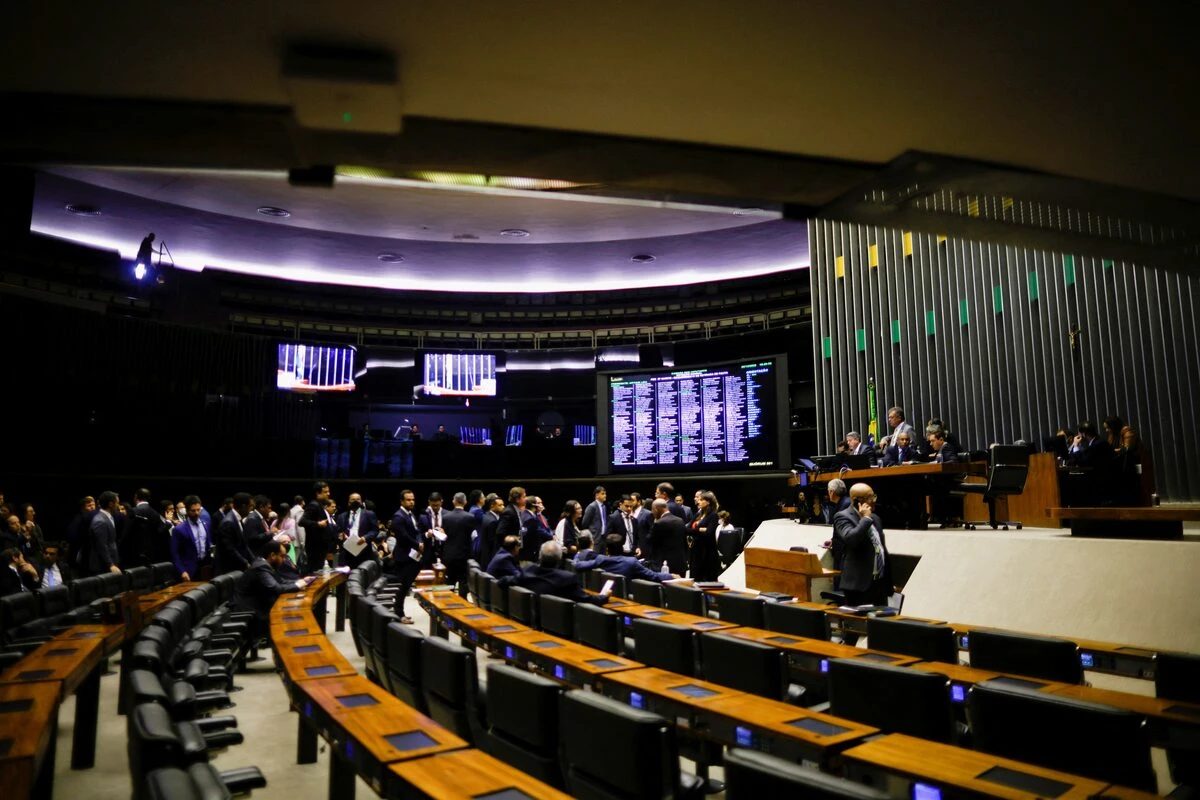
Brazil's lower house has approved 12.3 billion reais in off-budget spending, raising fresh doubts among investors about the government's commitment to its fiscal framework ahead of October elections.
Brazil’s lower house has approved 12.3 billion reais ($2.4 billion) in extraordinary credits, routing the funds outside the regular budget and bypassing the fiscal framework that caps federal spending growth.
The largest component is a 10 billion real diesel subsidy lasting through the end of 2026. It reduces pump prices by roughly 32 centavos per litre, a measure aimed at hauliers and broader goods inflation following oil price increases tied to Middle East tensions. An additional 1.3 billion reais funds housing and recovery efforts in Minas Gerais after record rainfall. Smaller credits address disaster relief across multiple states, wildfire prevention, and cooking-gas imports.
These decrees carry immediate force of law, though the Senate must confirm them within 120 days or they lapse. The constitution permits this financing route for genuinely unforeseeable and urgent needs. However, applying the mechanism to a months-long diesel subsidy blurs the line between emergency response and fiscal manoeuvring.
The volume of these credits is the core concern for markets. Brazil has opened a long series of such measures this year. Independent monitors now estimate off-target spending since 2023 has reached nearly 400 billion reais. This pattern unfolded just weeks after the government froze billions in ordinary expenditure to technically comply with its spending cap.
That contradiction carries domestic political costs. One lawmaker warned that funds cancelled to accommodate the new credits could directly impact the flagship Minha Casa Minha Vida housing programme.
For international investors, the primary read is about institutional trust. When a government repeatedly leans on its own exceptions, markets question whether the fiscal framework genuinely binds. Brazil’s public accounts have already swung into deficit this year. With a national election scheduled for October, the stakes for fiscal credibility are rising.
Foreign holders of Brazilian debt are likely to interpret off-framework spending as a structural risk. Even if individual credit amounts appear manageable, the cumulative effect feeds the risk premium demanded to hold the country’s bonds. Government officials counter that disaster relief cannot wait for the annual budget cycle. Ultimately, investors must judge where genuine emergencies end and convenient exceptions begin.