Brazil backs debt relief request for stalled Angra 3 plant
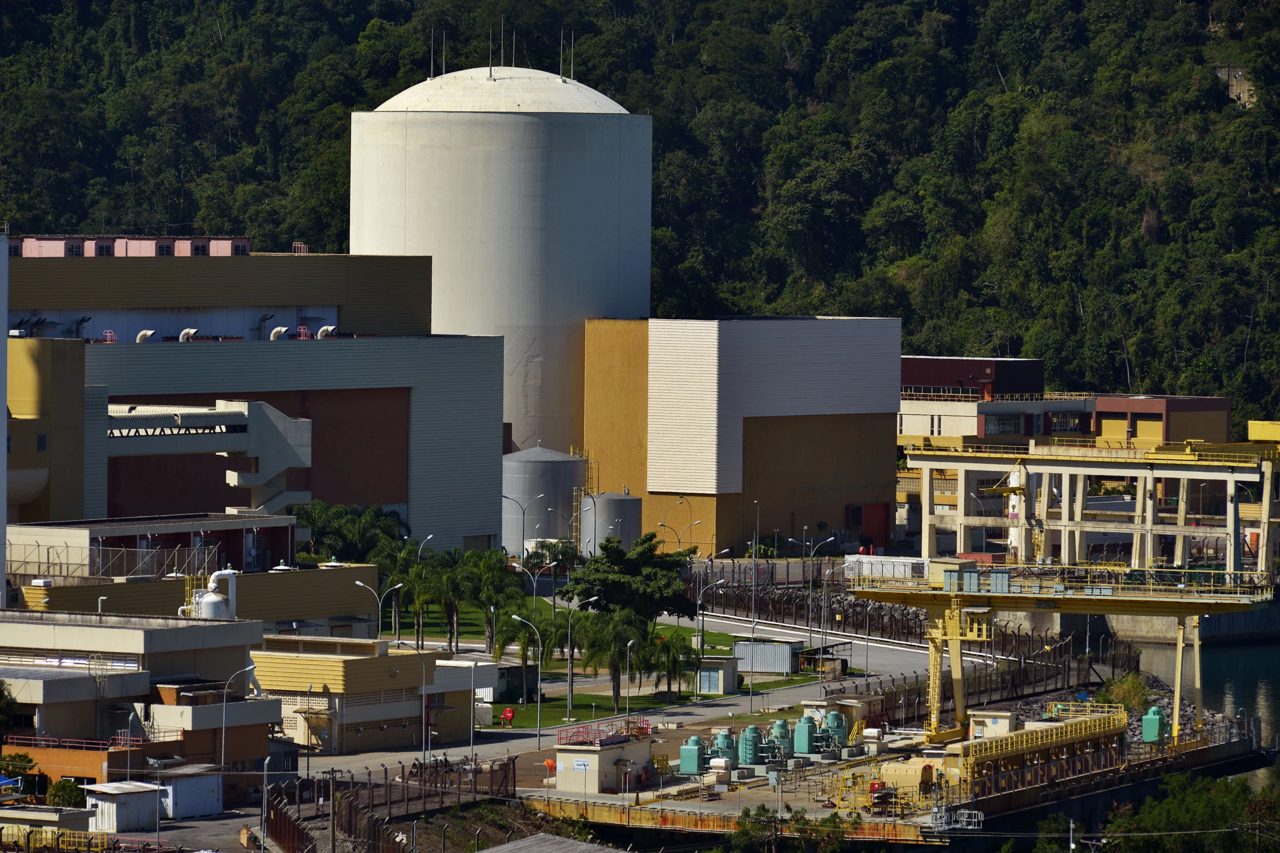
Brazil's energy council has backed a request to pause debt payments on the stalled Angra 3 nuclear plant, offering state operator Eletronuclear a political lifeline to avoid near-term insolvency while leaving the project's ultimate fate undecided.
Brazil’s National Energy Policy Council approved a resolution on Tuesday backing a request from state operator Eletronuclear. The operator is seeking a temporary suspension of debt payments to state lenders BNDES and Caixa.
The move stops short of an actual bailout. The energy ministry stressed the resolution does not alter loan contracts, suspend payments, or impose any legal duty on the banks. It merely declares the waiver request to be "in the public interest," giving Eletronuclear political backing as it negotiates.
The cost of limbo
The intervention targets a severe cash drain at the two-thirds-built Angra 3 reactor, which has been idle since 2015. Maintaining the site costs roughly 1 billion reais, or $185 million, a year.
Debt service to BNDES and Caixa accounts for about 800 million reais of that annual outflow. The remainder covers the preservation of thousands of pieces of idle equipment and retained staff.
The squeeze has pushed Eletronuclear to the edge of a breach. Earlier this year, the company pulled approximately 400 million reais from a fund reserved for decommissioning its two active reactors. In February, the operator warned it could hit a "financial breaking point" within weeks after the banks rejected a prior relief request.
Unresolved liabilities
For creditors and investors, Tuesday's political signal merely buys time. Brasília has sidestepped the fundamental question of whether to resume construction or scrap the facility entirely, having repeatedly postponed a final call on the work.
A BNDES study highlights the bleak economics of either path. Abandoning the project would trigger liabilities of around 21 billion reais. Completing the reactor would cost slightly more, estimated at 23 billion to 24 billion reais.
The government's latest move therefore amounts to a familiar standoff over a troubled state asset. Policymakers have averted an immediate financial crisis at Eletronuclear, but the ultimate cost of the plant remains entirely unresolved.