BOI unveils €85m to shift Nigeria cocoa from raw to processed
The Bank of Industry has launched an €85 million facility to build local cocoa processing capacity, offering a potential threefold margin increase to shield Nigerian exporters from severe global price volatility.
The Bank of Industry (BOI) has launched an €85 million financing facility to build local cocoa processing capacity in Nigeria, backed by the European Investment Bank and the EU's Global Gateway initiative.
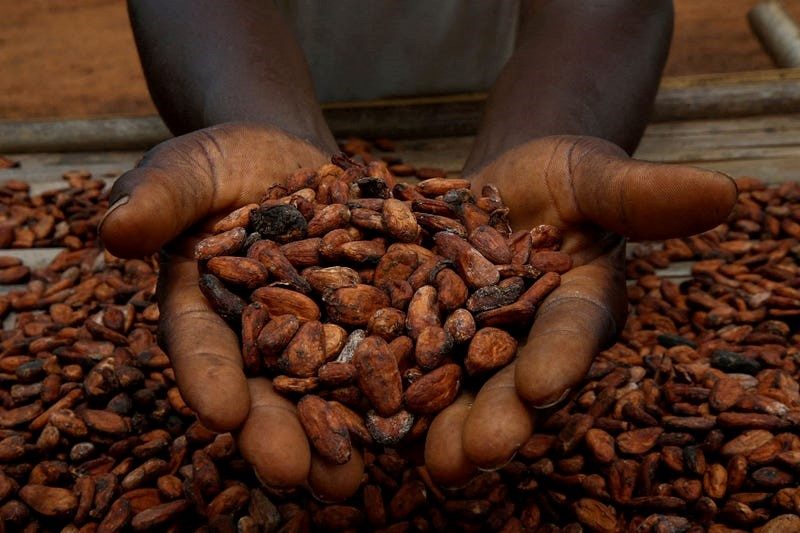
The capital aims to address a persistent margin gap in Nigeria’s agricultural export sector. BOI Managing Director Dr Olasupo Olusi noted that processed cocoa products can generate roughly $30,000 per tonne, compared to about $9,000 per tonne for raw beans. Currently, more than 80% of Nigeria's cocoa is shipped abroad unprocessed, representing a significant loss of potential foreign exchange and tax revenue.
Hedging commodity volatility
The financing arrives as global cocoa markets navigate extreme price swings. After hitting historic highs near $11,000 per metric tonne in 2025, prices corrected sharply by roughly 62% to around $4,197 by February 2026. This crash wiped out gains from the 2024 boom and pushed farmers in key producing states like Ondo and Osun into financial distress, with growers reporting price drops of over 70%. However, a recent 24% rebound in May, pushing prices back above $4,400, has renewed interest in structural hedges like domestic processing.
Expanding local manufacturing is viewed as a critical buffer against these international fluctuations. Dr Chris Isokpunwu of the Federal Ministry of Industry, Trade and Investment, represented by Mohammed Bala, highlighted that moving up the value chain could also stimulate adjacent industries like confectionery, cosmetics and pharmaceuticals.
Targeting the supply chain
About 70% of the €85 million facility will be directed toward the cocoa and dairy sectors. The BOI plans to establish dedicated, concessionary lending windows for smallholder farmers organized in cooperatives. Beyond capital, the bank will supply technical assistance to help local operators meet stringent international standards, notably the European Union Deforestation Regulation (EUDR).
“Through this initiative, we aim to enhance productivity, value addition, and market linkages that will directly improve the incomes of farmers and processors,” Olusi said. “We are particularly focused on cocoa value chains, which provide livelihoods for thousands of Nigerians.”
The long-term strategy centers on building processing factories directly within cocoa-producing communities. By retaining the manufacturing stage domestically, Nigeria aims to keep jobs, taxes and economic value within its borders rather than exporting them alongside raw commodities.