Nigeria taps private sector for new economic advisory committee
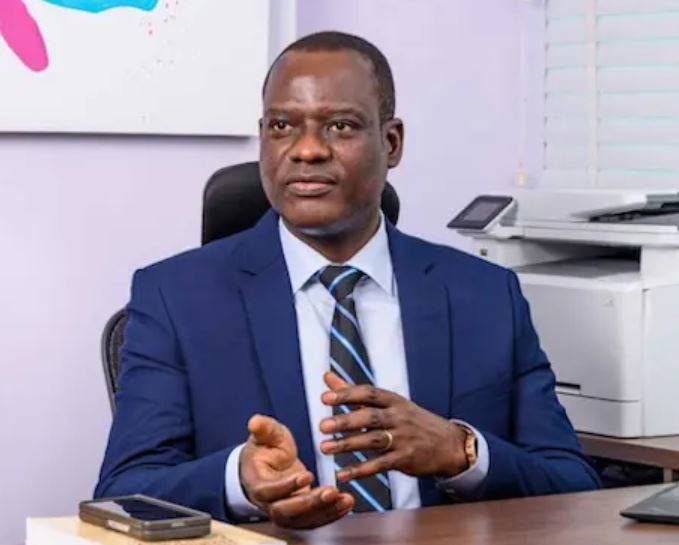
Nigeria's finance ministry has assembled a 15-member advisory committee of private sector and academic leaders to improve the predictability and execution of its economic reforms amid constrained fiscal space.
The Nigerian Federal Government has established a Ministerial Advisory Committee to strengthen fiscal management and improve the execution of its economic reforms. The 15-member body, inaugurated on Tuesday in Abuja by Finance Minister Taiwo Oyedele, will serve strictly in an advisory capacity without assuming executive functions.
For investors and corporate leaders, the committee offers a formalized channel to flag the unintended consequences of government policy. Mr. Oyedele acknowledged that Nigeria’s fiscal space is constrained, noting that policy decisions often trigger unpredictable ripple effects across the broader economy.
“Nigeria’s economic landscape is intricate, and our fiscal space is constrained. Every policy lever we pull affects multiple stakeholders in ways that are not always predictable,” Mr. Oyedele said. The minister tasked the panel with analyzing second and third-order effects of reforms to prevent vulnerabilities from escalating into crises.
The committee is chaired by Abubakar Suleiman, Managing Director of Sterling Bank. Its membership draws heavily from the private sector and financial services, including Dimeji Salaudeen, KPMG Africa Practice Lead, and Damilola Akinbami, Chief Economist for Deloitte West Africa. It also features leaders from major industry groups such as the Manufacturers Association of Nigeria, the Lagos Chamber of Commerce and Industry, and NACCIMA.
The panel’s mandate is divided into four areas. It will provide data-driven recommendations to boost revenue, strengthen fiscal discipline and borrowing practices, and improve coordination between federal ministries, state governments, and the private sector. Crucially, it is also tasked with measuring how macroeconomic reforms translate into living standards and tangible outcomes for businesses.
Mr. Suleiman indicated the group intends to avoid producing lengthy, theoretical reports in favor of actionable intelligence. “Our job is to free you to continue running this ministry and coordinating the economy while we take time to think about issues that may not yet be on the table,” he said. He added that the committee would focus on identifying which policies are working and where citizens are feeling economic pain.
The formation of the body reflects a government recognition that internal resources alone are insufficient to navigate the country's complex reform agenda. By embedding voices from the factory floor and the financial sector directly into its advisory structure, Abuja is signaling an intent to adjust policies dynamically rather than waiting for market pushback.