CoinFund's Pakman says crypto tokens trade on narrative, not value
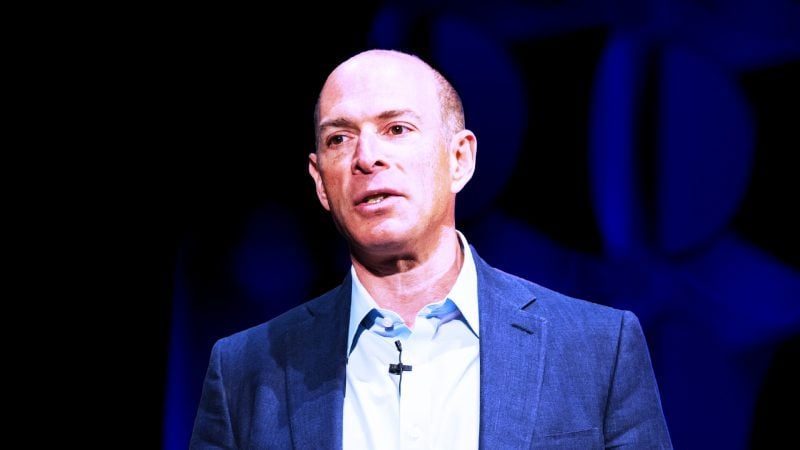
CoinFund's David Pakman warns that crypto tokens trade on narrative rather than network performance, suggesting projects pay contributors in stablecoins until regulation links tokens to business value.
The crypto industry has still not solved its fundamental tokenomics problem, according to David Pakman, managing partner at venture capital firm CoinFund. He argues that most native tokens trade on online narratives rather than the actual economic performance of their underlying networks. This disconnect creates significant uncertainty for developers and early contributors weighing compensation structures.
The core issue is a clash between the immediate need to reward builders and the long-term horizon required for a network to appreciate. "It's this battle between economic incentive in the task you're doing to help build out a network and short-termism versus long-termism view on when you want that return paid to you," Pakman said. "If you're taking a longer-term perspective and you're helping build a network, and you think the future value of the network will be very high relative to today's current price, well then you'd love to be paid in some native token."
However, most projects fail to deliver the sustained returns seen by early Ethereum miners, whom Pakman noted benefited from holding onto their ether. He observed that many tokens remain depressed for extended periods, driven only by social media activity rather than fundamental utility. "So many are so wrecked for so long … do they have some updraft that's going to power their long-term returns, or are they just these sort of short-term market perturbations that are based on narrative or Twitter activity?" he asked.
To attract participants unwilling to gamble on unproven tokens, Pakman suggested networks should simply pay contributors in stablecoins. "We're in this world where younger people really want their bets to resolve much more quickly and take their winnings or losses and then move on," he said. "Then maybe you should just get paid in a stablecoin."
For tokens to function as proper equity-like instruments, Pakman argued they must be tied directly to a protocol's business success. He pointed to Ether.fi, a CoinFund portfolio company, as an example of a protocol with a working product where investors logically want exposure to its governance token. "There's a native token that governs Ether.fi. If you follow this company, you would probably like to hold some piece of their future value, but you gotta believe that there's a relationship between that token and their business," Pakman said.
Establishing that relationship has been blocked by US regulators. "We've been prevented by the SEC, aggressive government action, from linking those two things, but that's what hopefully this forthcoming bill solves," Pakman said. He was referring to the Clarity Act, a crypto market structure bill currently before Congress that the industry hopes will provide the regulatory certainty needed to finally align token valuations with network fundamentals.