Washington faces July 15 deadline on Brazil tariffs
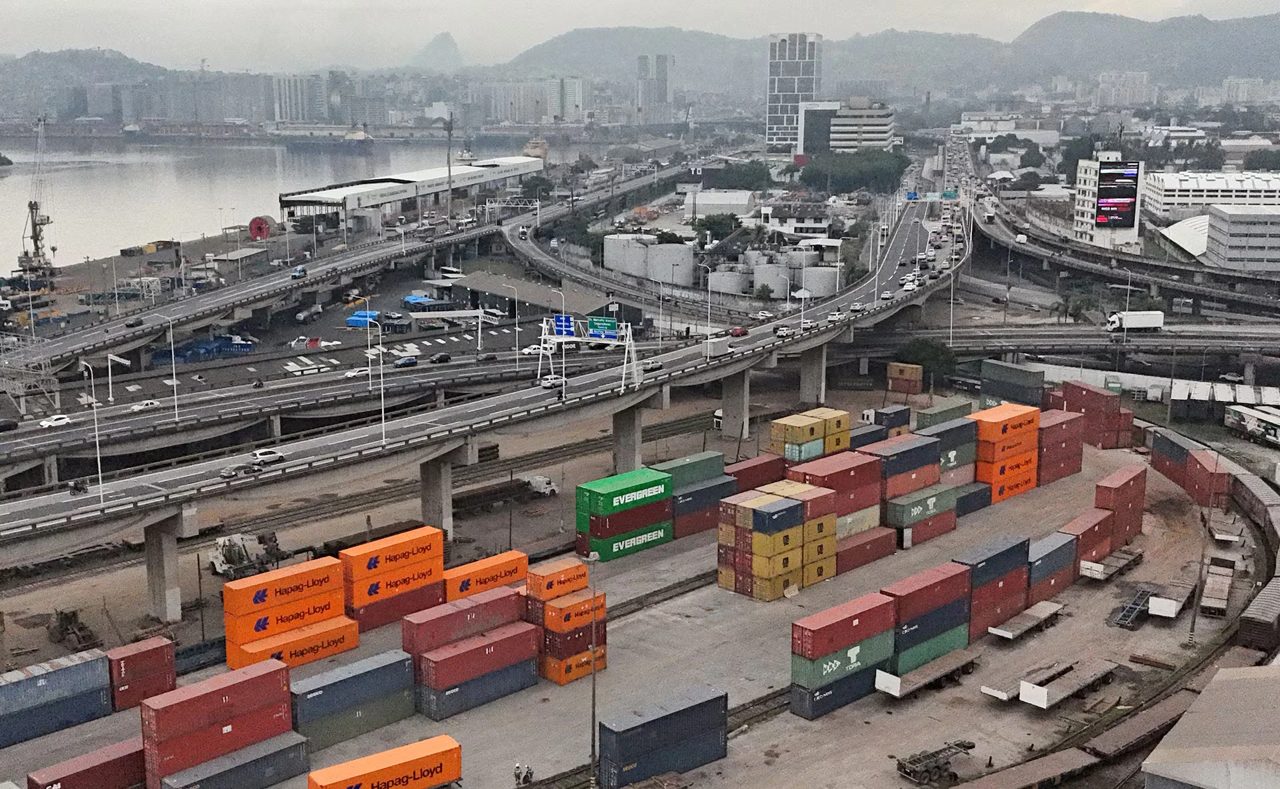
Washington faces a July 15 deadline to rule on duties covering $15 billion of Brazilian exports, a move that threatens to disrupt integrated supply chains and raise costs for US manufacturers.
The United States faces a July 15 statutory deadline to decide on tariffs of up to 25 percent on roughly $15 billion of Brazilian exports. Brasília is preparing for the duties to land, abandoning hopes of a last-minute reprieve after a year-long US trade investigation.
The proposed levies would hit about 4,100 products, with machinery, steel and processed goods bearing the brunt of the impact. Producers of pig iron, wooden mouldings and ethyl alcohol are also directly in the crosshairs. However, Washington has floated exemptions for beef, coffee, aircraft parts and rare earths that it struggles to source domestically.
Large US consumer and technology firms have already lobbied to spare certain Brazilian inputs, highlighting how deeply entwined the two economies remain. The ultimate market reaction will likely hinge on this fine print, particularly which products secure carve-outs and when any duties actually take effect.
Brazil has chosen not to request a formal delay, arguing the measure lacks economic justification. Officials submitted a roadmap of proposals to the US trade office but see little sign Washington will alter its course. Brasília is quietly betting that even if the tariffs are approved, their implementation date could be pushed back.
Retaliation remains an option but is being held in reserve as President Luiz Inácio Lula da Silva prioritises continued dialogue. Legal tools under a new Economic Reciprocity Law are ready if talks fail, following a May White House meeting with Donald Trump that failed to resolve US complaints over trade practices. The dispute has also ignited domestic politics, with Lula accusing a rival senator of lobbying Washington for the tariffs, an allegation the senator denies.
Escalation risks persist
A second threat is already visible on the horizon. A separate US labour investigation is due to report on July 24 and could impose an additional 12.5 percent duty on Brazilian goods.
Washington is using a specific trade statute to pursue these levies after courts struck down an earlier, broader tariff programme. Brasília maintains this legal route breaches global trade rules.
For investors, the central concern is escalation risk. Brazilian exporters and the real have traded on the July 15 deadline for weeks, meaning much of the shock is already priced in. However, a 25 percent tariff would squeeze margins on both sides of the border and test how far a bilateral trade dispute can deteriorate before inflicting serious economic damage.