Brazil Tests Ethanol as Ocean Ship Fuel at Santos
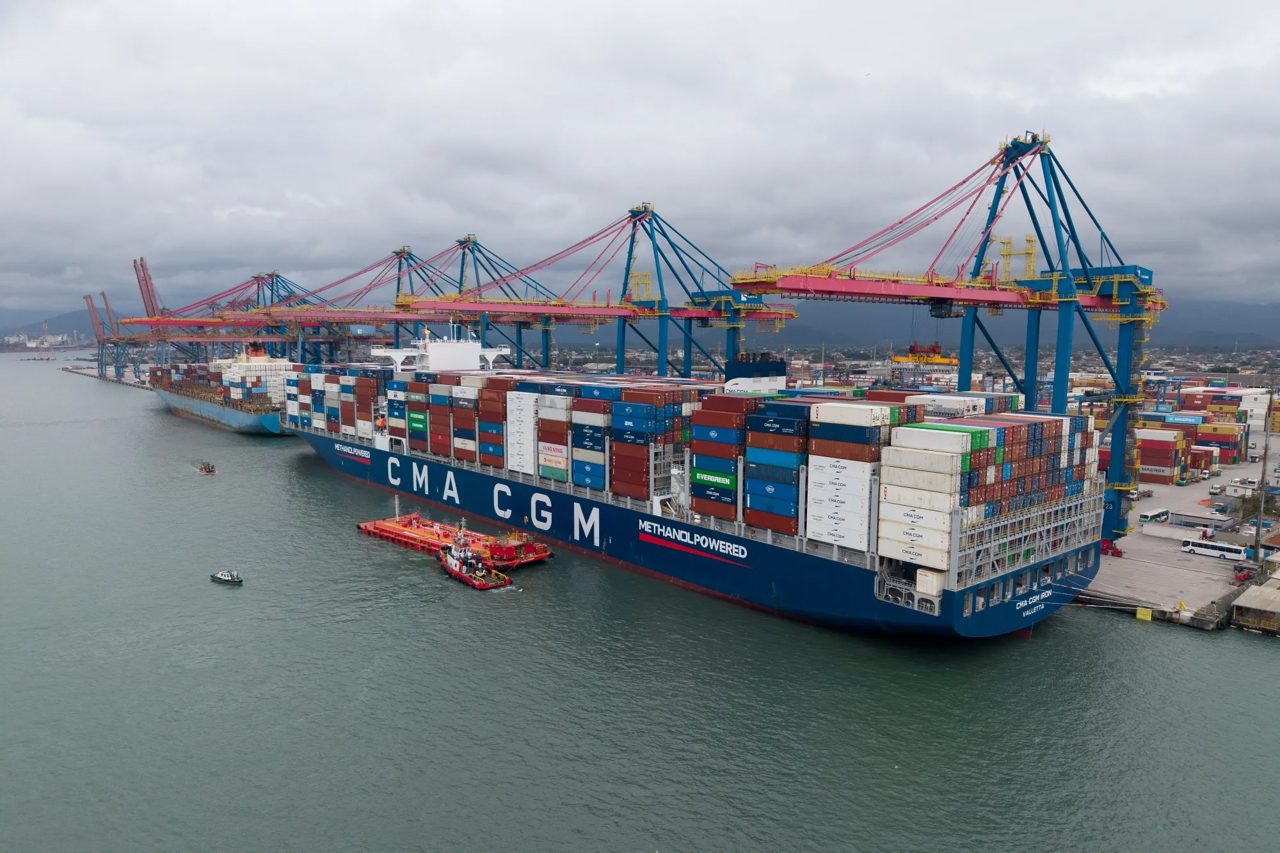
A container ship took on Brazilian ethanol at the Port of Santos, marking a potential new export avenue for the country's biofuel sector as global shipping seeks lower-carbon alternatives.
On July 12, the container ship CMA CGM Iron loaded 650,000 litres of sugarcane-based ethanol at the Port of Santos. Supplied by Copersucar and executed by Denmark’s Bunker One with terminal operators AGEO and Santos Brasil, it marked the first time an ocean-going vessel refuelled with Brazilian ethanol. The 13,000-container vessel runs a tri-fuel engine and is bound for Asia via Sri Lanka and Singapore.
The trial followed two years of engine testing and points to a potential new export market for Brazil, the world’s second-largest ethanol producer. Shipping accounts for roughly 3% of global emissions and faces a regulatory net-zero goal for 2050, forcing the industry to secure viable low-carbon alternatives to fossil bunker fuel.
Companies estimate ethanol cuts vessel emissions by about 70% compared to conventional marine fuels. Copersucar chief executive Tomás Manzano called ethanol the most economically competitive of the green options. While currently pricier than fossil bunker fuel, Manzano said carbon credits could help close the gap.
Achieving commercial scale will require patience. Only about 70 ships worldwide can currently burn ethanol, and the CMA CGM Iron is one of just 12 tri-fuel vessels in a CMA CGM fleet of more than 700. However, Bunker One says roughly 400 additional ships capable of running on ethanol or methanol will leave shipyards in the coming years, widening the potential customer base.
Exporting the fuel also faces institutional and political friction. Industry executives cite the need for new production rules, foreign export certifications, and green supply corridors to keep ships fuelled. Additionally, the European Union has challenged Brazilian ethanol over food-versus-fuel concerns, a stance some analysts interpret as protectionism dressed up as food security.
Despite these barriers, port operators and traders are positioning Santos, Latin America's largest port, as a future low-carbon fuelling hub. The long-term strategy is to link Brazil’s cheap renewable fuel supply directly to major global shipping lanes.