Dimon warns of colliding economic risks after JPM record quarter
JPMorgan Chase's CEO cautioned that geopolitical tensions, sticky inflation and fiscal deficits could collide to disrupt markets, even as the bank posted record earnings.
JPMorgan Chase CEO Jamie Dimon warned that a confluence of global risks could unexpectedly collide and disrupt financial markets, speaking after the bank reported a record-setting quarter.
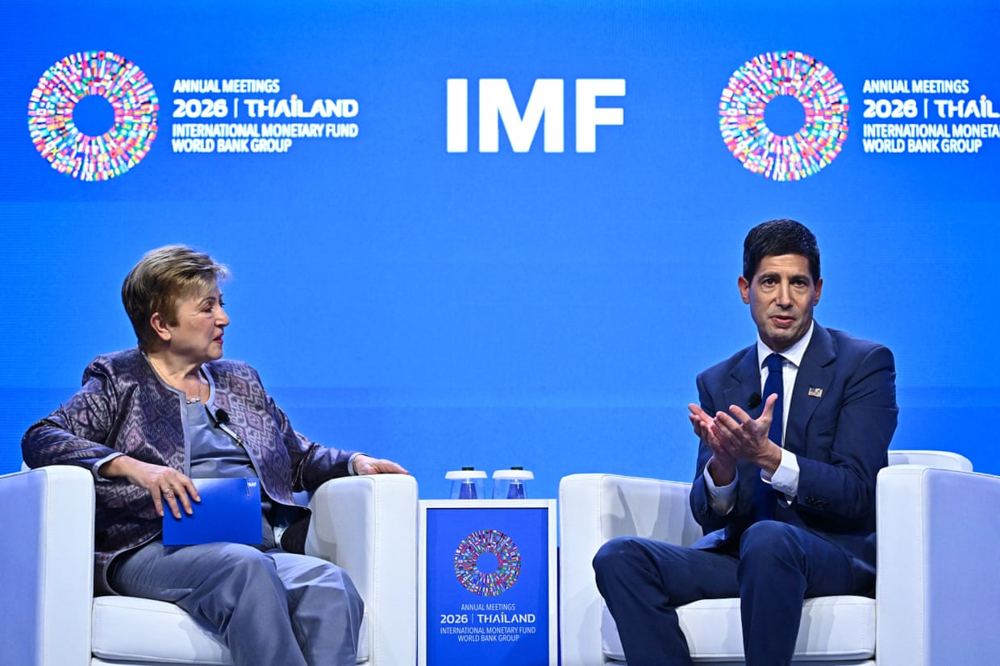
On a media call, Dimon was asked if an interest rate hike by the Federal Reserve might act as a catalyst for the vulnerabilities he described in the earnings release. Strategists have increasingly priced in such a move amid sticky inflation and hawkish commentary from new Fed Chairman Kevin Warsh.
"I wish I knew the answer to that question. We don't know," Dimon said. "We're just isolating that there are issues out there. They're pretty important and substantial. You know, they can easily go away. They can easily collide in a way that will surprise you. And it won't just be the Fed and inflation. It might be a whole bunch of the geopolitical stuff, so just something to keep an eye on."
Dimon detailed those underlying threats in his prepared remarks. He compared the current environment to tectonic plates shifting below the surface, explicitly identifying geopolitical tensions and wars, sticky inflation, large global fiscal deficits, and elevated asset prices.
"We cannot predict how these forces will ultimately play out," Dimon wrote. "They may remain manageable, but they could also cause meaningful disruptions when they shift or collide."
For investors, the remarks highlight a persistent disconnect between robust corporate earnings and underlying macroeconomic fragility. While JPMorgan's record performance points to strong current fundamentals in the banking sector, Dimon’s commentary suggests that elevated asset prices may not fully account for the potential shock of combined geopolitical and fiscal pressures.
The explicit reference to Warsh's hawkish stance signals that monetary policy remains a primary pivot point. If inflation forces the Fed to hike rates, the resulting tightening could accelerate the collision of the very imbalances Dimon identified.