£5.5m fake kit raid highlights global IP theft
A record UK seizure of counterfeit football shirts underscores the scale of intellectual property theft draining corporate licensing revenues globally.
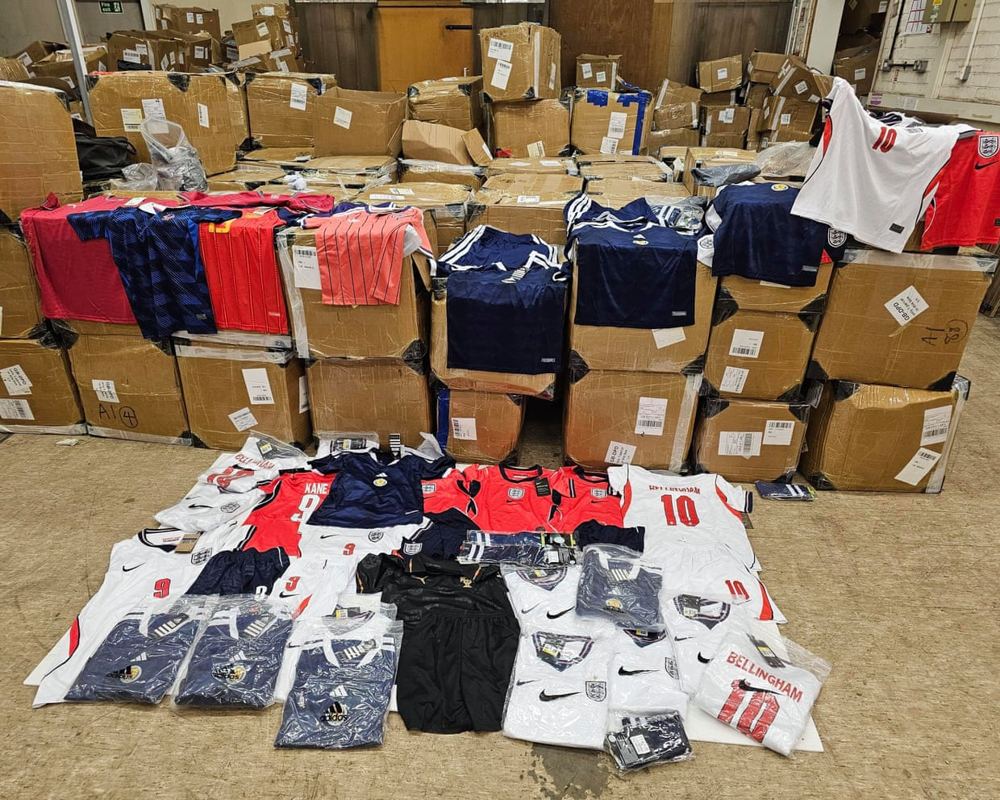
Edinburgh trading standards officials have seized more than 158,000 counterfeit football shirts valued at £5.5 million. The raid, executed alongside Police Scotland and the national trading standards organisation, represents one of the largest counterfeit busts in UK history.
The nine-tonne haul included fake strips of World Cup semi-finalists France and Spain, as well as England and Scotland. Rights holders verified the items as counterfeit, and the garments are now slated for recycling.
Major sporting tournaments drive intense consumer demand, creating a lucrative target for illicit manufacturers. "Scotland’s return to the Fifa World Cup stage has, understandably, led to huge demand for official kit," a Scottish Football Association spokesperson said. "Unfortunately, major tournament involvement also brings about a rise in counterfeit goods."
For governing bodies and brand owners, this unauthorised production directly undermines a critical revenue stream. The Scottish FA noted that income from official licensing and merchandising is invested back into the game across all levels. Without these funds, the organisation warned, its operations would be severely impacted.
The Edinburgh operation also exposes the darker mechanics of unregulated supply chains. Investigators are currently tracing the source of the shipment, noting that counterfeit distribution networks are frequently linked to organised crime, including human trafficking and the exploitation of vulnerable people.
The macroeconomic scale of this illicit trade remains a major challenge for international business. The Chartered Trading Standards Institute estimates the global counterfeit and pirated goods market reaches approximately $467 billion annually, accounting for 2.3 percent of all global trade.
"Counterfeiters undermine legitimate businesses, rip off supporters and sell products with no guarantee for how or where they were made," said Neil Ross, Edinburgh's regulatory convener. He described the seizure as a tremendous result and a significant dent in illicit trade.
Beyond the financial hit to rights holders, the fake garments pose tangible safety risks. Trading standards warned that counterfeit kits bypass regulated manufacturing processes, often containing harmful toxins in dyes or highly flammable materials.