Nigeria pushes ECOWAS tax coordination to curb revenue leaks
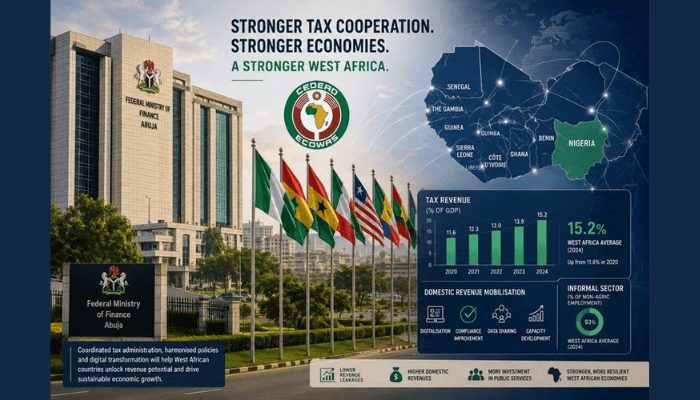
Nigeria is urging West African states to harmonize tax administration and adopt performance scorecards, a move aimed at stopping cross-border profit shifting and fixing the country's chronic low revenue collection that forces heavy borrowing.
Nigeria is looking beyond its domestic borders to fix its fiscal deficit, urging West African governments to synchronize their tax systems. Speaking at a meeting of the West African Tax Administration Forum (WATAF) in Abuja on July 14, Finance Minister Taiwo Oyedele called for the adoption of benchmarking tools and performance scorecards to track how states implement regional tax directives. He also urged WATAF to publish best practices on digital tax administration and taxing the informal sector.
The push reflects a growing fiscal imperative for Africa’s largest economy. Despite passing sweeping domestic tax reforms over the last two years to simplify administration and reduce reliance on oil, Nigeria still holds one of the world’s lowest tax-to-GDP ratios. Weak revenue collection forces the government to borrow heavily, with debt servicing consuming a significant portion of public funds and crowding out investment in electricity, transport, healthcare, and education.
Domestic legislation is proving increasingly insufficient as capital and digital services move freely across borders. Under the African Continental Free Trade Area, fragmented national tax regimes have created easily exploitable gaps for profit shifting and tax avoidance. Multinational firms and digital platforms can generate substantial revenue across multiple jurisdictions without a clear framework for determining where those profits should be taxed.
For executives and investors, this regional coordination effort carries direct implications for corporate bottom lines. Businesses currently navigate a frustrating patchwork of filing procedures and enforcement practices across ECOWAS markets despite years of integration efforts. Greater tax harmonization would significantly lower compliance costs, reduce regulatory uncertainty, and ultimately make cross-border investment in West Africa more attractive.
The primary obstacle remains execution, as regional economic blocs in Africa often struggle to enforce their own protocols. West Africa has no shortage of trade and cooperation agreements, but implementation has historically lagged behind political ambition. Oyedele’s proposal for performance scorecards is essentially an accountability mechanism designed to force governments to enforce the tax commitments they have already made.
WATAF Executive Secretary Jules Tapsoba Sulio confirmed the organization's commitment to supporting the initiative through technical assistance, research, and digital transformation. He acknowledged Nigeria's longstanding financial and institutional support since the forum's establishment in 2011. For Nigeria, the ultimate success of its domestic tax overhaul now depends on its ability to persuade its neighbors to close the regional loopholes.