Germany eyes 10bn euro satellite deal, warns consortium on delays
Germany's defence minister has demanded strict timeline and budget discipline for a 10 billion euro satellite programme, signalling a massive but potentially competition-constrained revenue stream for OHB, Rheinmetall and Airbus.
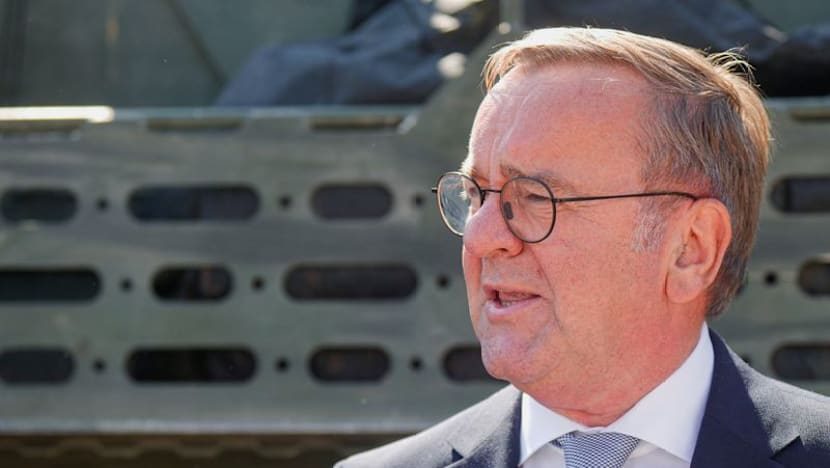
German Defence Minister Boris Pistorius warned on Tuesday that delays to a planned 10 billion euro military satellite network are unacceptable. He set strict timeline and budget expectations for the major procurement during a visit to a key contractor.
The SATCOMBw4 project aims to deliver sovereign space-based communications for the Bundeswehr, mirroring commercial networks like SpaceX's Starlink. Contracts are expected to be awarded around late 2026, with an initial fleet of roughly 40 satellites entering service by 2029. The full constellation is expected to comprise about 200 satellites.
The programme represents a substantial order book opportunity for the German aerospace sector. Satellite manufacturer OHB is leading the charge, partnering with Rheinmetall and, according to government and industry sources, Airbus Defence. However, this consortium structure has sparked concerns that the lack of competing bids could limit price competition, potentially reducing the pressure on contractors to keep costs down.
Pistorius issued his warnings during a visit to OHB's facilities in Bremen. "We cannot afford delays in these times," he said. The minister cited requirements for early warning, reconnaissance, detection and communications, noting rival nations are investing heavily in offensive counter-space capabilities.
For investors, the satellite project is a highly visible component of a much broader defence spending trajectory. Germany plans to invest a total of 35 billion euros in space security by 2030. "The Bundeswehr needs these capabilities," Pistorius said, noting the system enables autonomous global command-and-control and helps meet NATO commitments, signalling sustained long-term demand for the sector.